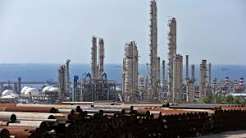
International shipping through the Strait of Hormuz remains heavily disrupted as geopolitical negotiations between the United States and Iran continue alongside heightened naval security measures involving regional mediators. The narrow waterway is one of the most important energy corridors on Earth, and prolonged uncertainty there has raised concerns about crude oil supplies, tanker movements, insurance costs and fuel prices across major economies. For governments, shipping companies and ordinary consumers, the central question is no longer simply whether vessels can move through the strait, but how long the disruption can continue before its economic effects become more widespread.
Why the Strait of Hormuz Matters to the Global Economy
The Strait of Hormuz connects the Persian Gulf with the Gulf of Oman and the wider Arabian Sea. Despite its relatively narrow geography, it carries a substantial share of internationally traded oil and liquefied natural gas.
That concentration makes the waterway unusually important. Major energy producers in the Gulf depend on maritime routes through the strait to reach customers in Asia, Europe and other regions. Tankers carrying crude oil and petroleum products normally pass through the area as part of established commercial shipping networks.
When those movements become restricted, the consequences can extend far beyond the countries located around the Persian Gulf. Refineries in distant markets can face uncertainty about deliveries. Traders may pay more for alternative cargoes. Shipping companies can demand higher risk premiums. Energy intensive industries may begin preparing for increased operating costs.
The US Energy Information Administration tracks global energy flows and the strategic importance of major petroleum shipping routes, including the Strait of Hormuz.
Shipping Disruptions Are Creating a New Layer of Risk
The current situation involves more than the physical movement of vessels. Tanker operators must also consider security conditions, insurance requirements, crew safety and the possibility of delays.
When security risks rise around a major shipping route, companies may slow operations, change schedules or seek additional guidance before entering sensitive waters. Even when vessels continue moving, the perception of danger can increase costs throughout the logistics chain.
For an oil tanker operator, a delay can mean more than lost time. Ships consume fuel while waiting, crews remain on duty, cargo schedules become uncertain and charter arrangements may need to be revised. Insurance companies may also reassess premiums when the perceived probability of an incident increases.
Those costs can eventually reach oil buyers and, depending on the scale and duration of the disruption, consumers.
US Iran Negotiations Add Political Uncertainty
The shipping situation is developing while Washington and Tehran remain engaged in a difficult diplomatic process. Regional mediators are also involved in efforts to reduce tensions and maintain channels for communication.
That diplomatic dimension matters because markets respond not only to actual supply disruptions but also to expectations about what could happen next.
If negotiations produce a meaningful reduction in tensions, shipping companies could regain confidence and energy markets could begin pricing in a gradual return toward normal operations. If talks fail or tensions increase, traders could prepare for a longer period of uncertainty.
This makes every diplomatic signal important to energy markets. A statement from negotiators, a change in naval activity or an announcement involving regional governments can influence expectations for crude supply and transportation security.
Naval Security Protocols Are Becoming Central to Commercial Shipping
Military and maritime security measures have become an important part of the effort to protect commercial vessels. Regional authorities and international security partners have an interest in preventing incidents that could further disrupt energy transportation.
For shipping companies, however, increased naval activity does not eliminate every risk. Commercial vessels still have to operate within carefully managed maritime environments while complying with security guidance.
The presence of naval forces can provide reassurance, but it also illustrates how closely commercial shipping has become connected to geopolitical developments.
A tanker captain making a routine voyage may have to consider developments occurring in diplomatic meetings hundreds of miles away. That is an unusual reality for an industry built around predictable schedules and carefully planned routes.
Oil Prices Could Remain Sensitive to Every Development
Oil markets are highly responsive to expectations about supply. Traders do not need to see a complete interruption before prices react. The possibility that a major supply route could remain disrupted can be enough to increase risk premiums.
When traders become concerned about future availability, crude prices can rise as buyers seek protection against potential shortages. The scale of the reaction depends on how long the disruption is expected to last and how much alternative supply is available.
Temporary uncertainty may produce a relatively short market reaction. A prolonged disruption can create much broader consequences.
Refiners may search for alternative crude grades. Governments may review strategic petroleum reserves. Energy companies may adjust purchasing strategies. Airlines, trucking firms and manufacturers may begin evaluating fuel cost exposure.
Asia Could Feel the Impact Quickly
Asian economies are particularly important to the global oil market because the region accounts for a large share of petroleum demand and relies heavily on energy imports.
Countries such as China, India, Japan and South Korea have extensive industrial economies that depend on stable energy supplies. A prolonged disruption through Hormuz could therefore affect manufacturing, transportation and electricity markets across Asia.
Asian refiners may attempt to secure alternative crude supplies from producers outside the Gulf. But replacement barrels can come with additional transportation costs and may not have the same characteristics as the crude normally purchased.
That creates another challenge. Refineries are designed around particular combinations of crude grades. Replacing one supply source with another is not always a simple matter of finding a different tanker.
Europe Faces Its Own Energy Concerns
European energy markets also have reasons to monitor the situation closely. Although Europe has worked to diversify energy supplies over recent years, global oil markets remain interconnected.
If Asian buyers compete more aggressively for alternative crude, European purchasers could face higher prices. Energy markets do not operate as isolated regional systems. A supply shortage in one area can influence prices in another as traders redirect available cargoes.
Higher crude prices can then affect transportation, heating and industrial costs, potentially adding pressure to inflation.
Why a Prolonged Disruption Would Be More Serious
The global economy can generally absorb short interruptions more easily than long ones. Businesses have inventories, traders can redirect some cargoes and governments can respond with emergency measures.
Time changes the equation.
If disruptions continue for weeks or months, companies have to make more permanent decisions. Refiners may restructure purchasing contracts. Shipping firms may redesign routes. Governments may coordinate strategic reserves. Manufacturers may reconsider energy intensive production schedules.
A prolonged crisis can therefore change economic behavior even if the physical flow of oil never falls to zero.
Alternative Routes Have Limits
One reason the Strait of Hormuz remains so strategically important is that alternative export routes cannot fully replace its capacity.
Some Gulf producers have pipelines that allow certain volumes of crude to reach ports outside the immediate area. But pipeline capacity is limited compared with the enormous quantities normally transported by sea.
Other exporters can increase production in response to higher prices, depending on available spare capacity. Yet additional production cannot always arrive immediately, and not every refinery can easily replace the crude it normally receives from Gulf producers.
That leaves the international market sensitive to prolonged disruptions.
Higher Shipping Costs Could Spread Through the Economy
Oil prices are only one part of the economic equation. Shipping itself can become more expensive when vessels operate in a high risk environment.
Higher insurance premiums and security costs can raise the cost of moving energy. If vessels spend longer waiting or take alternative routes, transportation times can increase as well.
Those expenses can affect companies far removed from the original geopolitical dispute. A manufacturer that depends on petroleum based chemicals, a logistics company operating large truck fleets or an airline purchasing jet fuel can all be affected by changes in energy and transportation costs.
Consumers may eventually notice the impact through fuel prices, transportation charges and the cost of products that require significant energy to manufacture.
Markets Are Watching Diplomacy as Closely as Oil Inventories
Under normal circumstances, energy traders spend considerable time analyzing production levels, inventories, refinery demand and economic growth. During a geopolitical crisis, diplomatic developments can become equally important.
A successful negotiation could reduce the risk premium embedded in oil prices. Conversely, a breakdown in talks could encourage traders to price in greater disruption.
This is why the involvement of regional mediators matters. Governments that maintain communication with both sides can potentially help reduce misunderstandings and create space for negotiated arrangements.
Diplomacy cannot guarantee immediate normalization of shipping, but it can influence the political conditions under which maritime security decisions are made.
What Businesses Should Watch
Companies exposed to energy prices or international shipping should focus on practical indicators rather than reacting to every market headline.
- Changes in tanker traffic through the Strait of Hormuz
- Crude oil price movements and market volatility
- Shipping insurance and freight costs
- Official maritime security guidance
- Developments in US Iran diplomatic negotiations
- Statements from major Gulf energy producers
Businesses with significant fuel exposure may also review purchasing schedules, supplier concentration and contingency plans. Companies that depend on uninterrupted maritime logistics can benefit from identifying alternative suppliers before a disruption becomes severe.
Consumers May Eventually Feel the Pressure
For households, the most visible consequence of a sustained energy shock would likely be higher fuel costs. But the effects can spread much further.
Transportation is embedded in almost every consumer product. Food travels by trucks, ships and aircraft. Retail products depend on warehouses and distribution centers. Manufacturing requires electricity, natural gas and petroleum based materials.
If energy costs rise significantly for an extended period, businesses may pass some of those expenses to consumers. Whether that produces a temporary increase or contributes to broader inflation depends on the duration and scale of the disruption.
The Strategic Importance of Hormuz Is Unlikely to Fade
The latest disruption is a reminder that some of the world’s most important economic infrastructure is concentrated in surprisingly small geographic areas. The Strait of Hormuz is one such location.
Its significance comes from geography, but its consequences are economic and human. A vessel delayed in the Gulf can eventually affect the price paid by a driver filling a vehicle thousands of miles away. A refinery worried about future deliveries can influence global crude demand. A diplomatic disagreement can become a factor in household budgets.
The International Maritime Organization provides a broader view of international maritime safety and the regulatory framework governing commercial shipping.
What Comes Next for Global Oil Supply
The immediate outlook depends heavily on whether diplomatic negotiations can reduce tensions and whether maritime security conditions improve enough for commercial operators to resume more predictable schedules.
A return toward normal shipping would likely ease some of the risk premium surrounding oil markets. Continued disruption, however, could keep crude prices, tanker rates and insurance costs elevated while encouraging governments and companies to search for alternative supplies.
We should therefore view the Strait of Hormuz situation as both a geopolitical story and an economic one. The waterway connects major energy producers with some of the world’s largest consumers, making stability there essential to global commerce.
For now, the shipping industry remains cautious, energy markets remain sensitive and governments are watching diplomatic developments closely. The longer the uncertainty persists, the greater the pressure becomes on every part of the energy supply chain. A durable reduction in tensions would offer relief not only to tanker operators and oil traders, but also to manufacturers, transport companies and households that ultimately depend on the uninterrupted movement of energy around the world.