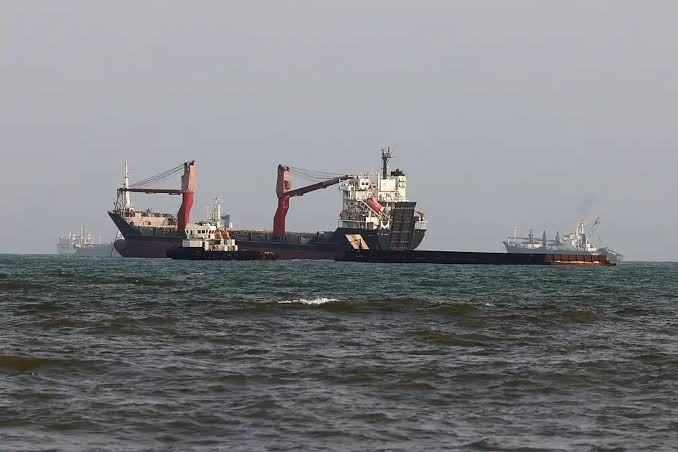
Maritime authorities have issued a serious warning to foreign cargo operators navigating the Strait of Hormuz, saying vessels that fail to comply with applicable local security and regulatory protocols could face immediate detention and possible addition to international or industry blacklists. The warning puts renewed attention on one of the world’s most strategically important shipping corridors, where even small changes in maritime procedures can have consequences for cargo operators, insurers, energy markets and global supply chains.
Why the Strait of Hormuz Matters to Global Shipping
The Strait of Hormuz is a narrow maritime passage connecting the Persian Gulf with the Gulf of Oman and the wider Arabian Sea. Its geography gives it an importance far beyond its physical size. Large volumes of energy products and commercial cargo move through the surrounding waters, making reliable navigation essential to importers, exporters and shipping companies around the world.
For a cargo vessel, compliance is not simply an administrative exercise. A ship entering a strategically sensitive waterway must manage documentation, identification, communications, routing and security requirements while operating in an environment where authorities may apply heightened scrutiny.
When enforcement becomes stricter, operators have to consider the possibility that a paperwork error or failure to follow a required procedure could delay an entire voyage. A vessel can be carrying thousands of tons of cargo while hundreds of people across several countries wait for that cargo to arrive.
What the New Warning Means for Foreign Cargo Vessels
The warning signals that authorities intend to take a firm approach toward vessels that do not follow required local security protocols. The stated consequences include detention and potential placement on global blacklists, creating risks that could extend well beyond the immediate voyage.
For shipowners and operators, detention can produce substantial costs. A vessel that cannot continue its voyage may accumulate port related expenses, crew costs, insurance complications and contractual penalties. Cargo owners can also face delays if goods remain aboard the detained ship.
Blacklisting can create an even longer term concern. If a vessel, operator or associated entity becomes subject to restrictions recognized by insurers, financial institutions, ports or commercial partners, future voyages may become considerably more difficult.
Security Procedures Are Becoming a Commercial Concern
Maritime security requirements can cover a wide range of activities. Depending on the circumstances, vessels may need to provide identification information, maintain communication with authorities, follow specified navigation procedures and ensure that required documentation is accurate and available.
For international shipping companies, the challenge is that a voyage often involves several legal and regulatory jurisdictions. A ship may be registered in one country, owned by a company in another, operated by a third party and carrying cargo belonging to customers in several additional countries.
That complexity makes compliance management a critical part of modern shipping operations. A single voyage can involve ship agents, customs representatives, insurers, port authorities, security teams and cargo owners, all of whom need accurate information.
Why Detention Can Disrupt More Than One Shipment
When a commercial vessel is delayed, the impact can quickly move through the supply chain. Cargo may include fuel, industrial materials, machinery, food products or manufactured goods needed by businesses far from the original shipping route.
Manufacturers often plan production schedules around expected delivery windows. A delayed shipment can therefore create additional costs even when the cargo itself is undamaged.
For energy markets, the stakes can be particularly high. The broader Gulf region is closely connected to international oil and gas trade, meaning uncertainty around maritime movements can influence transportation costs, insurance premiums and market expectations.
Shipping Companies Face Higher Compliance Pressure
Ship operators are likely to respond by strengthening voyage planning and compliance checks before vessels enter sensitive waters. That can include reviewing documentation, confirming communication procedures and ensuring that crews understand local requirements.
Companies may also need closer coordination between their vessels and shore based operations. A captain can make decisions at sea, but many compliance questions involve information held by an operator, agent or legal department on land.
For larger shipping companies, these systems may already be well established. Smaller operators can face a greater burden because they may have fewer dedicated compliance specialists and less capacity to monitor rapidly changing maritime requirements.
Blacklisting Could Create Long Term Commercial Consequences
The possibility of blacklist placement makes the warning particularly significant. Shipping depends heavily on trust and commercial relationships. Banks, insurers, charterers, ports and cargo owners all need confidence that a vessel and its operator can meet legal and contractual obligations.
A listing can therefore affect more than one voyage. Depending on who maintains or recognizes a particular list, a company could face additional scrutiny when arranging insurance, financing, charter agreements or port services.
For operators, prevention becomes considerably more attractive than trying to resolve a dispute after detention has already occurred.
Insurance Costs Could Become Another Pressure Point
Maritime insurance is already sensitive to geopolitical risk. When a shipping route becomes more difficult to navigate, insurers may reassess the risks associated with vessels operating there.
Higher perceived risk can influence premiums and coverage conditions. Shipowners may also face additional requirements before insurers agree to cover particular voyages.
These costs ultimately have a connection to consumers and businesses because transportation expenses are incorporated into the price of goods. A rise in shipping and insurance costs can therefore travel through supply chains even when the original regulatory dispute involves a single vessel.
What Captains and Operators Should Prioritize
Operators preparing vessels for transit through sensitive maritime corridors should treat regulatory compliance as a continuous process rather than a final checklist completed shortly before departure.
- Confirm current maritime security and navigation requirements before entering the relevant waters.
- Verify that vessel registration, cargo and crew documentation is accurate and readily available.
- Maintain reliable communication channels between the bridge, company operations center and local representatives.
- Review insurance conditions and contractual obligations associated with the voyage.
- Document compliance procedures carefully so that the operator can respond quickly if authorities raise questions.
The details of local requirements can change, which makes official maritime notices especially important. International operators can also monitor resources from the International Maritime Organization for broader information on maritime safety, security and international shipping standards.
Why Local Authority and International Shipping Rules Can Intersect
International shipping operates under a complex combination of national regulations, international conventions and commercial agreements. A vessel can be subject to international maritime standards while also needing to comply with requirements imposed by authorities responsible for the waters it is entering.
This creates an important distinction for ship operators. Meeting one set of international standards does not necessarily remove the need to follow additional local procedures.
For that reason, compliance teams generally need to identify the requirements that apply to each stage of a voyage. Local maritime notices, port instructions and security communications can become particularly important when geopolitical conditions are sensitive.
The Strait’s Geography Leaves Little Room for Disruption
The physical characteristics of the Strait of Hormuz make disruptions especially consequential. It is a confined passage through which commercial traffic must move between larger bodies of water. Ships cannot simply treat it like an open ocean route where minor delays can be absorbed without consequence.
When vessels encounter uncertainty, congestion or additional inspections, the effects can accumulate. Even a delay affecting one ship may appear manageable. A broader slowdown involving numerous vessels can become a much larger logistical problem.
For companies operating complex global supply chains, that possibility reinforces the value of contingency planning. Alternative routes may exist for some cargoes, but they can involve longer distances, higher fuel consumption and additional transit time.
Energy Markets Will Be Watching Closely
The Strait of Hormuz has long been closely watched by energy traders because of the importance of Gulf exports to global markets. Any development that increases uncertainty around commercial shipping can therefore attract attention well beyond the maritime industry.
Higher shipping risk does not automatically mean that energy supplies will be interrupted. Markets respond not only to actual disruptions but also to perceptions about what could happen next.
That distinction matters. A regulatory enforcement campaign may affect individual vessels without creating a wider supply crisis. Nevertheless, repeated incidents could increase concerns among traders, insurers and energy companies.
Global Supply Chains Are Sensitive to Maritime Uncertainty
Modern commerce depends heavily on predictable ocean transportation. Retailers need inventory to arrive on schedule. Manufacturers need raw materials. Energy companies need reliable transportation networks. Even small disruptions can create complicated scheduling problems when supply chains are operating with limited spare capacity.
Shipping companies therefore have an incentive to reduce uncertainty wherever possible. Clear communication with authorities, accurate documentation and careful voyage planning can help prevent avoidable delays.
For cargo owners, diversification can also become useful. Companies that depend entirely on one transportation corridor may face greater exposure than those with multiple sourcing and logistics options.
A More Cautious Maritime Environment
The latest warning reinforces the reality that commercial shipping through strategically sensitive waterways requires more than basic navigation skills. Operators must understand regulatory expectations, security conditions and the commercial consequences of noncompliance.
We should also recognize the human dimension. Crews aboard commercial ships operate thousands of miles from their home countries while managing complex responsibilities under time pressure. Clear procedures and reliable communication can reduce confusion and help crews respond appropriately when authorities issue instructions.
What to Watch Next
The most important question now is how consistently the stated enforcement policy is applied and how international shipping companies respond. If vessels are detained or added to blacklists, the shipping industry will closely examine the reasons, procedures and consequences.
Operators will also watch whether additional documentation or security requirements are introduced. Insurers and charterers may adjust their own risk assessments if enforcement activity becomes more frequent.
The IMO maritime security resources provide broader context for the international framework surrounding vessel security and commercial navigation.
Compliance Could Become the First Line of Defense
The Strait of Hormuz remains essential to international commerce, but its importance also means that regulatory decisions made around the waterway can have consequences far beyond the vessels directly involved.
For foreign cargo operators, the practical lesson is clear: local requirements must be identified, understood and followed before a vessel enters sensitive waters. The potential cost of noncompliance can extend from a voyage delay to insurance difficulties, commercial losses and reputational damage.
For global businesses, the warning is another reminder that supply chain planning must account for regulatory and geopolitical risk as well as ordinary transportation costs. A shipment can be perfectly prepared at the warehouse and still face serious uncertainty once it reaches a strategically important maritime corridor.
As authorities tighten enforcement, the safest approach for shipping companies is disciplined preparation, accurate documentation and continuous communication. In a waterway where global commerce passes through a relatively narrow space, regulatory compliance is not merely an administrative responsibility. It can determine whether a cargo vessel continues its journey or becomes the next source of disruption for an already interconnected global supply chain.