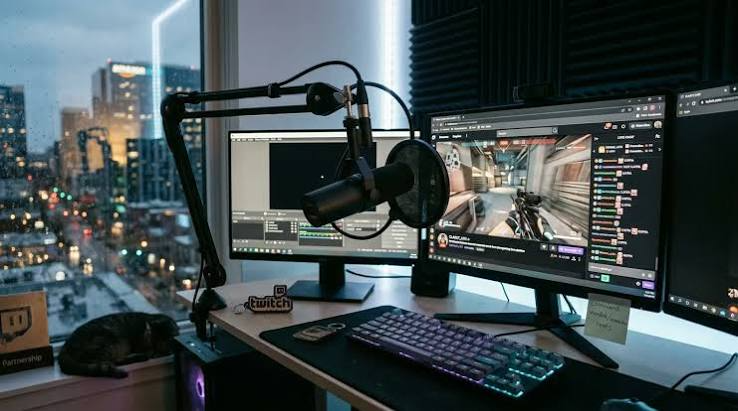
Major streaming personalities are pushing the boundaries of live broadcasting as record duration streams attract audiences across borders and force creators, platforms, advertisers, and fans to rethink how online entertainment is monetized. The latest developments, reported on August 27, 2026, show that long duration broadcasting is becoming more than an endurance spectacle. It is increasingly a business strategy built around community, recurring revenue, sponsorships, subscriptions, donations, and continuous audience attention.
Why Marathon Streams Are Drawing Global Audiences
A traditional television program has a fixed start and end. A livestream can continue for hours, days, or even longer while viewers come and go throughout the broadcast. That difference has created a distinctive form of entertainment in which the audience does not necessarily need to watch every moment to feel involved.
Viewers may arrive during a gaming session, a conversation, a challenge, a live event, or a quiet period when the streamer is simply interacting with the community. Some leave and return later, creating an ongoing relationship rather than a single viewing session.
When a major creator remains live for an unusually long period, the broadcast can also become an online event. Viewers share clips, discuss developments on social media, invite friends, and return repeatedly to see what has changed. The stream begins to develop its own narrative, with the audience participating rather than simply watching.
Long Duration Broadcasting Changes the Economics of Streaming
For creators, more hours online can create more opportunities to generate revenue, although simply staying live longer does not guarantee financial success. Modern streaming income can come from several sources operating simultaneously.
Subscriptions can provide recurring revenue from loyal viewers. Donations and paid messages allow fans to support creators directly. Advertising can generate income from large audiences, while sponsorships can connect creators with brands seeking highly engaged communities.
There is also a less visible economic benefit. A successful long stream can produce thousands of smaller pieces of content. Clips can circulate on short video platforms, memorable moments can become social media posts, and longer discussions can be edited into videos for audiences who missed the original broadcast.
This means one livestream can effectively become a content production engine extending far beyond the original broadcast.
The Creator Economy Is Becoming More Global
One of the most important developments is the international nature of these audiences. A streamer may begin broadcasting from a bedroom or home studio, yet viewers can join from North America, Europe, Asia, the Middle East, Africa, and Latin America within minutes.
That global reach creates opportunities but also introduces complexity. Creators need to consider time zones, language differences, regional payment systems, advertising markets, and cultural expectations. A broadcast that begins in the evening for an American audience may reach another major market during the morning.
For creators who understand these patterns, long duration streams can function almost like global programming schedules. Different audiences can become active at different points, allowing a single broadcast to maintain momentum throughout the day.
Why Audience Retention Matters More Than Raw View Counts
A headline number showing millions of viewers can attract attention, but sustained engagement is often more valuable for the creator economy. Advertisers and sponsors want to know whether audiences remain interested, participate in chats, subscribe, purchase products, and return for future broadcasts.
Long streams provide creators with an opportunity to observe those behaviors in real time. They can see which topics generate discussion, which games hold attention, and which segments cause viewers to leave.
This creates a feedback loop between creator and audience. The streamer learns what the community wants, while viewers feel that their reactions can influence what happens next.
Metrics that matter to creators
- Average concurrent viewers
- Total watch time
- Returning viewer rates
- Subscription growth
- Paid message and donation activity
- Advertising performance
- Sponsorship engagement
Platforms Also Benefit From Longer Viewing Sessions
Streaming platforms have strong incentives to keep viewers engaged for longer periods. More watch time can create additional opportunities for advertising, subscriptions, recommendations, and interaction with platform features.
A successful marathon broadcast can also attract new users. Someone who sees a widely shared clip may visit the original stream, discover the creator, and eventually become a regular viewer.
That creates a powerful relationship between creators and platforms. The creator supplies the personality and community that attracts audiences, while the platform supplies distribution, technology, payment infrastructure, moderation tools, and discovery systems.
Information about the broader creator economy and digital media industry can be explored through resources from the Pew Research Center, which regularly studies how people use digital platforms and consume online content.
The Human Cost of Staying Live for Extreme Durations
Behind the impressive viewing numbers is a less glamorous reality. Marathon streaming can place significant physical and psychological demands on creators. Sitting for prolonged periods, sleeping irregularly, eating poorly, and remaining socially engaged for many hours can make extreme broadcasting difficult to sustain.
There is also emotional pressure. When a creator knows that thousands of people are watching, stepping away can feel like abandoning the audience. Some communities become deeply attached to the idea that a streamer should remain live until a particular goal is reached.
That dynamic makes responsible scheduling important. Sustainable creators cannot treat personal health as an unlimited resource. Rest, nutrition, movement, moderation support, and realistic broadcast schedules can help reduce the risks associated with exceptionally long streams.
Moderators Have Become Essential to Massive Livestreams
As audiences grow, the creator cannot manage everything alone. Chat messages can arrive faster than anyone can read them, and large broadcasts can attract spam, harassment, scams, impersonation attempts, and other disruptive behavior.
Moderators therefore play an increasingly important role. They help maintain community standards, remove harmful content, identify suspicious activity, and protect the creator and viewers from abusive behavior.
For major creators, moderation can become a professional operation involving multiple people working across different time zones. The longer the broadcast continues, the more important continuous oversight becomes.
Brands Are Rethinking What a Sponsorship Can Be
Long duration streams also offer advertisers something that conventional advertising often struggles to provide: sustained access to a community. A brand can appear repeatedly during a broadcast without relying on a single thirty second advertisement.
Sponsorships can include product demonstrations, interactive challenges, branded segments, giveaways, custom graphics, and creator commentary. When the partnership fits naturally into the content, viewers may perceive it as part of the entertainment rather than an interruption.
That relationship requires transparency. Audiences are more likely to trust creators when sponsored content is clearly disclosed and when the product genuinely fits the creator’s community.
The Federal Trade Commission’s guidance for influencers and endorsements provides useful information about disclosure responsibilities when creators receive compensation or other benefits for promoting products.
Record Breaking Streams Could Change Creator Strategies
The significance of record duration broadcasts is not necessarily that every creator should attempt to replicate them. Instead, they demonstrate the commercial potential of sustained audience engagement.
A smaller creator might apply the same principle on a more manageable scale. A themed weekend broadcast, community event, charity stream, launch session, or interactive marathon can generate concentrated attention without requiring extreme broadcasting schedules.
The most effective strategy may therefore be consistency rather than endurance. Creators who build recognizable formats, understand their audience, and maintain reliable schedules can develop communities that remain valuable even when the streamer is offline.
From Individual Streamer to Media Business
The most successful creators increasingly operate like small media companies. They may employ editors, moderators, managers, producers, designers, business advisers, and other specialists.
A major livestream can become one part of a broader content ecosystem that includes podcasts, short videos, merchandise, memberships, live appearances, gaming collaborations, and commercial partnerships.
This diversification matters because platform algorithms can change. Advertising rates can fluctuate. A creator who depends entirely on one platform or one source of income can face considerable financial uncertainty.
Building an audience relationship that can extend across multiple channels gives creators greater control over their long term business.
The Future of Livestreaming May Be Built Around Community
The latest streaming records reveal something deeper than a competition over hours spent on camera. People are willing to spend significant amounts of time with creators when they feel part of a shared experience.
A marathon broadcast can feel surprisingly intimate. Viewers may watch while eating dinner, studying, working, traveling, or preparing for bed. The streamer becomes a familiar presence in the background of everyday life.
That sense of companionship is difficult to measure with conventional media statistics. It helps explain why creator communities can remain remarkably loyal even when viewers do not watch every minute of a broadcast.
What Comes Next for the Creator Economy
The next phase of livestreaming is likely to focus less on simply maximizing broadcast duration and more on maximizing meaningful engagement. Platforms can improve discovery, translation, moderation, audience analytics, and monetization tools, while creators can build formats that encourage participation without demanding unsustainable schedules.
For creators, the lesson is clear. A record breaking stream can generate enormous attention, but a durable career depends on what happens after the broadcast ends. Turning viewers into returning community members, developing multiple revenue sources, protecting personal wellbeing, and maintaining audience trust will matter far more over time.
For audiences, the growth of marathon streaming means entertainment is becoming increasingly participatory. Viewers are not simply consuming a finished program. They are helping shape conversations, trends, challenges, and communities in real time.
The August 27, 2026 streaming boom therefore represents more than another collection of impressive viewing records. It signals a creator economy in which attention is increasingly global, monetization is increasingly diversified, and the boundary between broadcaster and audience continues to become less distinct.
The creators who thrive in this environment will not necessarily be those who can stay online the longest. They will be those who understand why people return, how communities form, and how to turn moments of enormous attention into relationships that can last long after the livestream has ended. :::