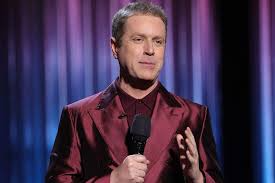
Summer Game Fest opened its marquee weekend with a Hollywood splash as streaming platforms and major film studios announced an array of cooperative cross media adaptations aimed at turning beloved cinematic universes into interactive, serialized experiences. The atmosphere at the festival felt cinematic in itself: bright stage lights, the low rumble of a live orchestra, and an audience that pulsed between gamer fervor and fan devotion as executives outlined deals that could reshape how stories move between screens and controllers.
What changed this weekend for entertainment and gaming
Announcements ranged from joint limited series that interweave film canon with branching gameplay to subscription bundles that offer simultaneous streaming episodes and playable missions. Companies are no longer treating film and games as separate revenue streams. Instead they are packaging narratives to flow across mediums, allowing a player to influence a character arc that later manifests in a televised episode, or to watch a film and then continue the story in a canonical game chapter. The commercial logic is clear: these partnerships aim to deepen fan engagement, drive subscriptions, and extend intellectual property lifecycles.
How fans experienced the reveal
The reveal felt performative and intimate at once. Fans cheered at cinematic footage that cut into playable sequences and gasped when an onstage demo showed a protagonist from a recent blockbuster making choices that visibly altered a subsequent trailer clip. The sensory mix of live music, cinematic sound design, and tactile controller feedback made the announcements feel like a natural next step rather than a forced marketing play. Yet beneath the spectacle lies a complex weave of rights deals, creative control negotiations, and technical integration that will determine whether these projects deliver on their promise.
Creative and technical complexities behind the mergers
Bringing a film universe into an interactive format requires harmonizing narrative continuity, actor likeness rights, and the differing production timelines of television and game development. Developers must build branching narratives that preserve the emotional stakes of a film while allowing meaningful player agency. Studios and publishers will need to align writing rooms and game studios so that plot beats in one medium do not contradict the other. The technical work is equally demanding. Cross platform saves, synchronized release schedules, and cloud streaming integration were central talking points at several onstage panels.
Legal choreography and talent participation
Negotiations over actor contracts and residuals took center stage behind closed doors. Some stars signed on to reprise roles both on screen and in voice or motion capture sessions, while others negotiated limited involvement to protect their film commitments. Talent agencies, unions, and rights holders are recalibrating standard contracts to account for hybrid release models. Observers said these deals may set new norms for how performers are credited and compensated when an intellectual property stretches across episodic television and interactive extensions.
Business models and monetization strategies
Several streaming platforms announced bundled subscription tiers that include early access to episodic content and companion game chapters. Studios plan staggered monetization windows where initial streaming viewership feeds into later premium game expansions. Publishers pitched micro subscriptions for episodic gameplay content tied to each season of a show, while others highlighted flat rate bundles that promise a seamless narrative experience for a single monthly fee. Investors will watch user retention data closely, since cross media cohesion could materially lift lifetime value if executed well.
Risk of fragmentation and how companies plan to avoid it
One clear risk is audience fragmentation. Fans who prefer passive viewing may resist buying into interactive extensions, while gamers seeking deep mechanics could find serialized TV episodes insufficiently interactive. Producers say they will aim for optional pathways: canonical content that complements but does not force cross participation, and optional gameplay that enriches but does not gate core storylines. The creative test will be to keep both experiences satisfying as standalones while rewarding audiences who engage across platforms.
Creative opportunities for storytellers and players
Writers and directors at the festival described new narrative tools unlocked by cross media work. A showrunner explained how episodic television can reveal character interiority that enhances player motivation within a game, while a lead game designer described how emergent gameplay could seed future plot twists. Actors reported fresh opportunities to embody roles over longer arcs, performing in episodic television and returning months later to record a game expansion that reacts to player choices. For storytellers, the collaboration offers a richer palette for exploring tone, pacing, and character development.
Examples that stood out
A classic sci fi franchise announced a co produced series that will release an episode each month alongside a companion game chapter. The design promises that decisions players make in the game will shape the moral framing of subsequent episodes, while key events in the show will unlock new gameplay missions for players who follow both. Another partnership paired an arthouse director with a narrative game studio to produce a serialized mystery that alternates between cinematic episodes and investigative gameplay, aiming to preserve a strong auteur voice while inviting participatory discovery.
Industry reaction and broader cultural implications
Analysts praised the ambition but cautioned that execution matters more than announcements. Successful cross media experiments require coordinated marketing, well timed production schedules, and above all coherent canon stewardship. Cultural critics raised questions about access and inclusion. If premium cross media bundles drive up costs, the most immersive experiences may become available only to affluent fans, widening cultural divides. There is also a concern that intense IP consolidation through large studio platform partnerships could limit creative diversity in the long run.
What creators and fans should watch for
Key markers of success will include how well studios preserve artistic integrity while integrating interactive elements, whether performers receive fair compensation for cross platform work, and whether narrative continuity is maintained without alienating single medium audiences. Fans should watch rollout strategies and look for transparent guidance on what content is required for the core story and what is optional enrichment. Creators should demand clear crediting, fair revenue sharing, and editorial autonomy so that commercial ambitions do not override storytelling craft.
Where this might take entertainment next
If these early experiments succeed, the result could be a new era of serialized franchises that live simultaneously in living rooms and on consoles. That would reshape release calendars, career paths for writers and performers, and the economics of fandom. If they falter, the industry risks cynically monetized tie in projects that fragment audiences and erode trust. For now the mood is hopeful. Packed festival halls, phone recorders held high, and the occasional roar when a new trailer blended film quality cinematography with playable moments showed that fans are eager for innovation that respects narrative depth while offering new agency.
Further reading and industry sources
For context on streaming trends and media mergers, readers can consult market analysis published by major trade outlets and regulatory filings that detail the underlying rights arrangements. Industry reports and research from leading media monitoring organizations provide deeper insight into subscription economics and cross platform engagement metrics at https://www.theverge.com and regulatory commentary is available through filings with the United States Securities and Exchange Commission at https://www.sec.gov.
We will follow these projects as they move from announcement to release and report on how creators, performers, and fans fare in the new cross media era. Would you like a follow up that compares the announced deals and outlines what will be available to viewers and players this year?