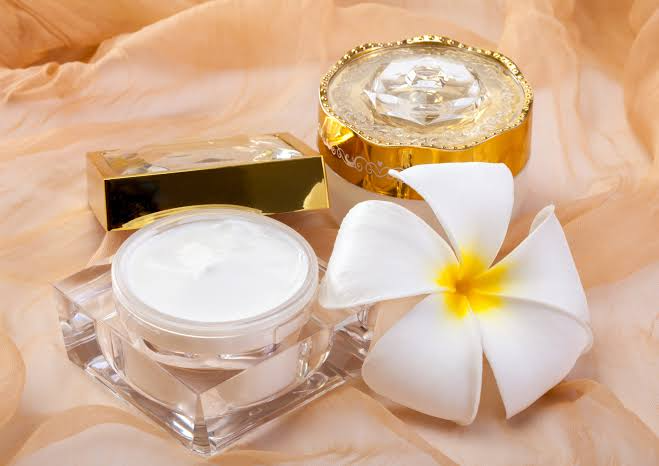
Beauty products designed to survive Thailand’s intense sun, high humidity and demanding tropical conditions are attracting attention far beyond the country’s borders. From lightweight sunscreens and oil controlling skincare to long lasting makeup, Thai brands are building an international reputation around a practical promise: products should feel comfortable and perform well even when the weather is hot and sticky. As consumers across Southeast Asia and other warm climate markets look for alternatives to established Western, South Korean and Japanese labels, Thailand’s beauty industry is beginning to claim a more distinctive place in the global cosmetics business.
Why Thailand’s Climate Is Shaping a New Beauty Identity
For consumers living in tropical regions, choosing skincare and makeup is often a daily exercise in finding the right balance. A moisturiser that feels comfortable in a cool climate may become heavy in humid weather. Sunscreen can leave an unwanted shine, while foundation and other complexion products may lose their finish after hours of heat and perspiration. These are familiar problems in Thailand, where high temperatures, humidity and strong ultraviolet exposure influence everyday beauty routines.
Thai beauty companies have increasingly treated these conditions as a starting point for product development rather than a problem to address after a formula has been created. Their products often prioritize lightweight textures, quick absorption, oil control, sweat resistance and comfortable wear. The goal is not simply to make cosmetics that feel pleasant when first applied, but to create formulas that remain practical throughout a long day outdoors.
This climate focused approach is helping Thai brands develop an identity separate from the beauty movements associated with South Korea and Japan. K Beauty has built international recognition through skincare innovation, distinctive ingredients and multi step routines. Japanese beauty is widely associated with careful formulation and simplicity. Thai beauty, increasingly described as T Beauty, is finding its own space through products designed around tropical conditions and everyday functionality.
From Bangkok Shopping Finds to International Beauty Exports
Thailand’s beauty industry has been developing for years, but international awareness is growing as tourists, regional shoppers and online communities discover local products. Visitors who once returned from Bangkok mainly with food, fashion and souvenirs are increasingly carrying home Thai sunscreens, powders, serums and makeup. Recommendations shared through social media have helped turn these personal discoveries into wider consumer interest.
The commercial foundations are substantial. Research firm Euromonitor International reported that Thailand’s beauty and personal care retail sales reached approximately 270 billion baht in 2025, representing growth of 6 percent. The market’s size gives local companies a meaningful base from which to develop products, build brand recognition and pursue international expansion.
Industry coverage by CNA Lifestyle on the rise of T Beauty describes how Thai brands are increasingly positioning tropical performance as a central part of their appeal. Companies are not simply selling products made in Thailand. They are presenting local climate knowledge as a form of expertise that can serve consumers in neighbouring countries and other warm regions.
Brands Turning Tropical Experience Into Product Innovation
INGU Skin and the demand for locally informed skincare
INGU Skin is among the emerging Thai names attracting attention outside its home market. Founded by Chayadhorn Kitiyadisai, the company has developed a following through social media and in person events. Its product range includes formulas featuring ingredients such as Thai green tea extract and local black rice, connecting regional ingredients with contemporary skincare development.
The brand’s international interest reflects a broader opportunity for companies that understand the needs of consumers in Southeast Asia. Orders have come mainly from Singapore, Malaysia and the Philippines, while the company has also received inquiries from customers and retailers in the United States and United Kingdom. Its partnership with online beauty retailer YesStyle has made its products accessible to shoppers in a much wider group of markets.
INGU’s growth also highlights the importance of representation in the beauty industry. Consumers in tropical countries have often relied on products developed primarily for other climates and markets. Brands founded in the region can approach those consumers with a more direct understanding of their everyday experiences, from sunscreen texture to the way skincare feels after several hours in humid weather.
MizuMi and the evolution of sunscreen
MizuMi offers another example of how Thai brands are adapting international formulation knowledge to local needs. The skincare company was founded by Nui Waritta Suebphanwong, who initially drew on Japanese sunscreen technologies when developing the brand. Rather than simply reproducing an imported approach, the company focused on creating products suited to the preferences and conditions of Thai consumers.
This process reflects an important feature of the country’s growing beauty sector. Thai brands do not need to reject international research or established formulation methods to develop a distinct identity. They can combine proven technologies with local testing, consumer feedback and an understanding of tropical lifestyles. The result can be products that feel familiar in their scientific approach but different in their practical priorities.
Srichand and the value of established local expertise
Not every company participating in the T Beauty movement is a new arrival. Srichand, a long established Thai beauty brand, has adapted its identity to changing consumer expectations. Its skincare products include lightweight gel based moisturisers designed to provide hydration without the heavier feel that some consumers dislike in humid conditions.
The company’s approach reflects a wider shift in skincare preferences. Consumers increasingly want products that address concerns such as excess oil, ultraviolet exposure and pollution while remaining comfortable enough for daily use. For Thai companies, these needs are not theoretical market trends. They are part of the environment in which their customers live.
Why International Consumers Are Paying Attention
Thai beauty’s appeal is closely connected to the shared climate of Southeast Asia. Consumers in the Philippines, Indonesia, Malaysia and Singapore experience many of the same challenges as shoppers in Thailand. A sunscreen that feels too greasy or a moisturiser that remains sticky after application may be difficult to use consistently, regardless of how attractive its marketing or packaging appears.
That creates a natural regional opportunity. Products designed around lightweight application, comfortable finishes and resistance to heat may answer needs that cross national borders. A Filipino consumer discovering a Thai sunscreen, for example, may find that its texture and finish suit local weather better than a product developed for a cooler environment.
Climate change could widen this opportunity. Heatwaves and periods of unusually high temperatures are affecting countries beyond the tropics. Consumers in markets that traditionally experience cooler weather may increasingly seek lightweight skincare, reliable sun protection and makeup that remains comfortable during hot conditions. Thai brands could benefit if they demonstrate that their formulas perform consistently across different climates and skin types.
Social Media Is Helping Thai Brands Travel
Digital platforms have lowered the barriers that once made international expansion difficult for smaller beauty companies. A brand no longer needs a large overseas retail network before consumers in another country can discover its products. Reviews, demonstrations, creator partnerships and online shopping platforms can introduce a product to potential customers thousands of kilometres away.
For Thai beauty companies, this is particularly valuable because product performance can be demonstrated visually. A sunscreen’s finish, a powder’s oil control or a foundation’s appearance after several hours can be shown through practical demonstrations rather than broad advertising claims. Pop up events and customer reviews also help companies collect feedback and understand which products have potential in different markets.
However, online attention does not automatically create lasting international demand. Brands must maintain reliable product quality, provide clear ingredient information and ensure that customers can purchase products through dependable distribution channels. Trust becomes especially important when a skincare company enters a market where consumers may be unfamiliar with its name.
The Challenges Behind Thailand’s Global Beauty Ambitions
Thai brands are entering a highly competitive industry. Western cosmetics companies have established international distribution networks, while South Korean and Japanese beauty labels benefit from years of brand recognition and cultural influence. Chinese beauty companies are also competing aggressively through online sales, rapid product launches and competitive pricing.
To compete, Thai businesses will need to demonstrate more than an interesting origin story. They must provide evidence that their products are safe, effective and suitable for the consumers they target. Sunscreen claims require particular care because protection levels and product performance matter directly to consumer health. International expansion also brings regulatory requirements involving ingredient restrictions, labelling, product registration and market specific testing.
There is another challenge: tropical conditions are not identical everywhere. Skin types, consumer preferences, pollution levels and daily routines vary across countries. A formula that works well for one group of customers may need adjustment before it can succeed in another market. Companies that invest in research, testing and transparent communication will be better positioned to build lasting relationships with international shoppers.
A New Chapter for Thailand’s Beauty Industry
The growing interest in Thai skincare and cosmetics signals a broader change in how the global beauty market discovers innovation. Consumers are increasingly willing to look beyond familiar international labels when a product addresses a practical need. For people who spend much of the year dealing with heat, humidity and strong sunlight, comfort and reliable performance can matter as much as brand heritage or fashionable packaging.
Thailand has an opportunity to turn its climate experience, manufacturing capabilities and local consumer knowledge into a durable international advantage. Companies such as INGU Skin, MizuMi and Srichand illustrate different paths toward that goal, from emerging digital first brands to established names adapting their product ranges for new expectations.
The next stage will depend on consistency, scientific credibility and the ability to serve consumers beyond Southeast Asia. If Thai companies can maintain product quality while meeting international standards, T Beauty may become more than a regional trend. It could establish Thailand as an influential source of beauty products designed for the realities of a warmer world.