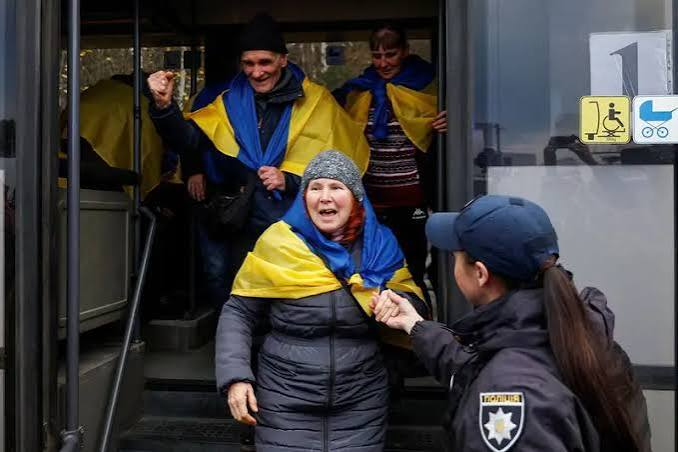
A temporary ceasefire in southern Ukraine has offered a rare moment of relief for civilians trapped near the front line, allowing humanitarian supplies to enter and residents to leave through designated safe passage arrangements. The six day pause around the Russian occupied town of Oleshky ended on November 1, 2026, after an evacuation operation involving hundreds of people. While the agreement demonstrated that limited cooperation remains possible, it did not establish a broad regional peace or reopen international commercial flight routes. For Eastern Europe, the latest developments represent a cautious step toward humanitarian access, not yet a return to normal travel and trade.
A Local Ceasefire Creates a Humanitarian Opening
The agreement between Ukraine and Russia focused on Oleshky, a town in the Kherson region where civilians had faced severe shortages of food, drinking water, medicine and reliable electricity. Years of fighting, damaged infrastructure and the dangers of traveling through frontline areas had left residents with few safe options. Many people who remained were elderly, ill or unable to leave without organized assistance.
The temporary ceasefire took effect on October 27 following diplomatic mediation involving the United States and Pope Leo. Its purpose was specific: create enough security for humanitarian deliveries and civilian evacuations. Roads had to be cleared of mines, transport arrangements coordinated and safe passage established before residents could be moved.
By the end of the operation, Ukrainian officials reported that hundreds of civilians had been evacuated. Reuters reported that 167 people, including 22 children and 21 people with limited mobility, were evacuated on November 1 from threatened areas of the Kherson region as the pause approached its end. Earlier evacuation movements had also taken place during the operation.
For residents who had spent months living with uncertainty, the opportunity to board a bus and leave a dangerous area carried a meaning far beyond transportation. It offered access to medical checks, food, shelter and the possibility of rebuilding daily life somewhere safer.
Why Humanitarian Corridors Matter
Humanitarian corridors are designated routes or arrangements intended to allow civilians, medical personnel and relief supplies to move through areas affected by conflict. They depend on practical coordination between the parties involved, including agreement on timing, locations and the conditions under which people and vehicles can pass.
Such corridors are not the same as ordinary commercial transport routes. A humanitarian evacuation may involve a limited number of vehicles, a specific destination and strict security arrangements. A functioning passenger railway, freight corridor or international flight network requires much broader guarantees, including predictable border procedures, insurance coverage, infrastructure safety and reliable operating schedules.
The Oleshky operation showed that a limited arrangement can help people when both sides observe agreed conditions. It also demonstrated how difficult these operations remain. Mines, damaged roads, drone threats and uncertainty over destinations can put civilians at risk even when a temporary pause has been announced.
The Ceasefire Did Not End Fighting Across Ukraine
The local agreement should not be mistaken for a nationwide ceasefire. Hostilities continued in other parts of Ukraine, and military activity remained a serious concern after the Oleshky pause expired. Ukrainian officials also accused Russian forces of using the temporary halt to strengthen positions and bring in supplies. Moscow suggested that Ukrainian forces may also have used the pause to regroup.
These competing claims illustrate the fragility of localized ceasefires. Even when an arrangement achieves its immediate humanitarian purpose, disagreements over military activity can undermine confidence in extending it. The end of the pause also means that residents and aid organizations must continue to assess risks before attempting further movements through the area.
Reuters’ coverage of the Oleshky ceasefire and evacuation provides reporting on the operation, the diplomatic involvement and the competing accounts of what happened during the pause.
Commercial Transport and Cross Border Trade Face a Separate Challenge
Eastern Europe depends on connected road, rail, river and maritime networks to move food, fuel, industrial materials and other essential goods. The war has repeatedly disrupted these systems, forcing businesses to change routes and accept longer delivery times. Even a limited reduction in fighting can help humanitarian logistics, but commercial operators need more than a short term promise of safe passage before restoring normal services.
Ukraine has relied on alternative export routes through neighbouring countries, including Poland, Romania and Moldova. These routes connect Ukrainian businesses with European markets through road transport, railways and the Danube river network. The European Union developed its Solidarity Lanes initiative to support the movement of Ukrainian exports and imports when traditional routes were disrupted.
These transport connections remain important for agricultural producers, manufacturers, freight companies and consumers. Grain, steel, fuel, machinery and humanitarian goods all depend on predictable logistics. Delays can increase costs for businesses and eventually affect prices for customers far beyond the immediate conflict zone.
The European Commission’s information on EU support for Ukraine’s trade explains the role of alternative transport links and regional cooperation in keeping Ukrainian goods connected to international markets.
Black Sea Shipping Talks Offer Another Possible Path
Separate diplomatic discussions are also focusing on safe navigation in the Black Sea. Ukrainian President Volodymyr Zelenskyy and Turkish President Recep Tayyip Erdoğan discussed grain exports and maritime security during a meeting in Istanbul on October 31. They expressed support for work toward a grain corridor, but the discussions did not establish a fully agreed operating arrangement with Russia.
This distinction matters to shipping companies and agricultural exporters. A political commitment to discuss a corridor does not automatically provide vessels with security guarantees, agreed inspection procedures or protection against attacks. Operators need clear rules and confidence that all parties will respect them before making major commercial decisions.
The Black Sea is particularly important to Ukraine’s agricultural economy. Disruption to ports and shipping can affect farmers, exporters, international food buyers and countries that depend on imported grain. A workable maritime arrangement could reduce some of these pressures, but it would require agreement on the details and credible measures to protect civilian vessels.
Will International Flights and Passenger Routes Return?
For travellers, the distinction between a humanitarian ceasefire and the reopening of commercial aviation is especially important. The Oleshky agreement did not announce the restoration of international passenger flights across Ukraine or a general reopening of airports in conflict affected areas.
Commercial aviation requires a separate safety assessment. Airlines, aviation authorities and insurers must consider airspace restrictions, missile and drone threats, airport security, emergency procedures and the ability to operate flights reliably. A temporary ground level ceasefire in one town cannot provide those guarantees across a country’s airspace.
Travellers planning journeys through Eastern Europe should therefore continue checking airline announcements, airport notices and official government travel advice. They should not assume that a humanitarian corridor means ordinary passenger services have resumed. Where routes remain restricted, alternative connections through neighbouring countries may be necessary.
What the Developments Mean for Residents and Businesses
For people living near the front line, the immediate priority is access to safety, food, medicine and dependable information. Humanitarian organizations need secure access to communities, while local authorities must identify people who require medical assistance or special transport. Families also need clear information about evacuation destinations and the support available after arrival.
For businesses, the priority is continuity. Freight operators should confirm border conditions and transport availability before dispatching goods. Exporters may need to compare road, rail and river options, while companies relying on imported materials should allow for possible delays. Travel operators must distinguish between routes that are officially operating and those that remain subject to security restrictions.
Governments and international organizations also have an important role. They can support mine clearance, humanitarian coordination, border processing and repairs to transport infrastructure. These measures do not replace a comprehensive political settlement, but they can reduce the immediate consequences of conflict for civilians and the wider regional economy.
A Limited Breakthrough, Not a Return to Normal
The Oleshky ceasefire provided a meaningful humanitarian result by helping civilians leave an area where daily life had become increasingly dangerous. It showed that even during a prolonged conflict, carefully negotiated arrangements can create opportunities to deliver aid and move vulnerable people to safety.
However, the wider picture remains uncertain. Fighting continues beyond the local ceasefire area, Black Sea shipping arrangements are still under discussion, and there has been no general announcement restoring commercial flights across conflict affected parts of Ukraine. Regional transport networks continue to depend on alternative routes and changing security conditions.
For Eastern Europe, progress will be measured not simply by the announcement of agreements, but by whether safe passage can be maintained, infrastructure protected and commercial services operated with confidence. The evacuation from Oleshky is an encouraging humanitarian development. Turning that limited success into lasting regional stability will require sustained diplomacy, practical security guarantees and continued support for the people whose lives remain shaped by the conflict.