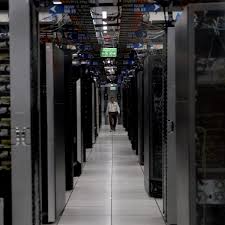
The United Nations released a stark assessment on June 21, 2026 that the global buildout of artificial intelligence data centers is on track to consume 945 terawatt hours of electricity per year by 2030, a level that would place immense strain on electricity grids, freshwater supplies, and electronic waste systems worldwide. The report paints a picture of humming facilities in deserts, river valleys, and coastal industrial zones, where rows of servers generate heat, require continuous cooling, and leave communities and ecosystems negotiating the cost of progress.
What the UN study found and why it matters
The UN study synthesizes energy modeling, industry deployment plans, and utility data to estimate future demand from AI compute at scale. The headline figure of 945 terawatt hours places AI data centers in the same consumption bracket as small nations, and it signals rapid growth from current baselines. But the number alone misses the fuller risks identified by United Nations analysts.
First, electricity demand is only one axis. Cooling needs drive substantial water use where evaporative systems and once-through cooling remain common. Second, rapid hardware turnover produces growing volumes of e waste that many jurisdictions are ill prepared to manage safely. Third, spatial concentration of large campuses can create local bottlenecks for grid capacity, prompting new fossil fuel generation or long transmission lines with environmental and social costs.
Energy footprints and grid implications
The projected electricity demand has three practical consequences for utilities and policymakers. Power system planners will need to allocate capacity for round the clock operation, not just for peak loads. Where supply is constrained, utilities may prioritize industrial customers, creating equity issues for households and small businesses. Finally, without explicit decarbonization commitments tied to new data center permits, the additional demand risks locking in carbon intensive generation for years to come.
Some regions already see those dynamics playing out. Rural communities hosting data campuses have reported upsized substations, renegotiated power purchase agreements, and debates over whether new generation will be renewable or fossil fuel based. The UN study recommends that energy planning anticipate compute growth and attach enforceable clean energy commitments to new facilities to avoid incompatibility with climate goals.
Water stress where cooling is intensive
Cooling technologies vary, but many large scale facilities still rely on water for evaporative cooling or indirect heat rejection. The UN study highlights valleys and basins where cumulative water withdrawals for agriculture, municipalities, and now data centers risk tipping local resources into stress. In those places, even efficient cooling systems can exacerbate scarcity during dry seasons and drought events.
Alternatives such as air cooled designs, offshore siting with seawater cooling, and closed loop systems reduce withdrawals but increase capital costs and engineering complexity. The UN calls for mandatory water impact assessments before granting permits and for the adoption of technologies that minimize freshwater use when local hydrology is fragile.
Electronic waste and lifecycle responsibility
AI training and inference hardware has shorter effective lifespans than traditional enterprise servers because rapid advances in processor design render specific systems less competitive. That churn produces substantial volumes of circuit boards, high density memory modules, and specialty cooling components that must be handled as hazardous waste when end of life arrives.
The UN report stresses that informal recycling chains in many countries are poorly equipped to protect workers and contain toxic materials. Without stronger extended producer responsibility regimes and coordinated global recycling infrastructure, e waste will grow into a parallel environmental crisis with public health implications. The study urges manufacturers and cloud providers to publish hardware lifecycles, to design for repair and reuse, and to invest in certified refurbishment and recycling across supply chains.
Social and environmental justice angles
The impacts are not evenly distributed. Communities near data campuses often lack bargaining power when concessions over water and grid upgrades are negotiated. Low income neighborhoods with aging infrastructure can face service disruptions if utilities divert capacity. Regions that export e waste receive disproportionate health and environmental harms when recycling is informal or unregulated.
The UN frames these outcomes as governance failures that can be addressed by transparent permitting, community benefits agreements, and strong enforcement of environmental standards. It calls for inclusive consultations that treat local communities as partners rather than externalities in the pursuit of compute capacity.
What governments, industry, and communities can do now
The UN study does not offer a single silver bullet. Instead it lays out a menu of actions that, taken together, could substantially reduce the projected harms while preserving the benefits of advanced compute infrastructure for research, health care, education, and economic development.
- Require clean energy conditionality in permitting, linking new data center approvals to verifiable renewable generation or long term carbon free sourcing commitments.
- Mandate comprehensive water impact assessments and enforce limits or offsets in water stressed basins, along with investment incentives for low water cooling technologies.
- Expand extended producer responsibility laws to cover server and accelerator hardware, with mandatory take back, refurbishment targets, and certified recycling pathways.
- Integrate local community consultations and binding community benefit agreements into siting decisions to protect public services and ensure shared gains.
- Promote smarter compute allocation policies such as workload scheduling during periods of surplus renewable generation, and fund research into hardware efficiency advances and software optimization.
Industry responses and emerging practices
Major cloud providers and chip manufacturers have already announced various decarbonization goals, efficiency improvements, and pilot recycling programs. Some companies are experimenting with waste heat reuse for district heating, outdoor immersion cooling that slashes water use, and renewable energy contracts timed to the compute load. Those steps matter, but the UN cautions that voluntary pledges alone will not guarantee equitable outcomes or full alignment with climate targets.
Independent verification, standardized reporting on energy and water use, and stronger regulatory backstops are necessary to move industry promises into durable policy outcomes.
International cooperation and standard setting
Because compute supply chains and electricity markets cross borders, the UN emphasizes coordinated international standards for reporting, for e waste handling, and for cross border movement of hazardous components. Global guidelines could reduce regulatory arbitrage where operators move operations to jurisdictions with weaker environmental safeguards.
Practical mechanisms might include harmonized lifecycle disclosure rules, trade measures that discourage dumping of unsafe e waste, and financing instruments that help lower income countries develop recycling and grid infrastructure to host clean compute responsibly. The World Bank and multilateral development banks could play a role in underwriting regional upgrades that meet environmental and social safeguards.
What readers and local leaders can watch for
Citizens and local policymakers should expect to see more proposals for large compute campuses and should insist on transparent environmental reviews that quantify projected energy and water use, that disclose planned sources of electricity, and that outline decommissioning plans for hardware. Watch permitting notices, utility filings for new substations, and corporate sustainability reports for specific, auditable commitments rather than aspirational language.
For those interested in the technical details behind energy metrics and cooling methods, authoritative resources such as the International Energy Agency and the United Nations Environment Programme offer datasets and guidance on infrastructure planning and circular electronics management. The IEA maintains extensive analysis on data center energy use, and UNEP provides frameworks for e waste governance that align with the UN study recommendations.
Closing perspective
The UN study is a reminder that the environmental cost of a technology is not an abstract side effect but a governance challenge that intersects climate policy, water management, labor rights, and public health. The choices made now about where to site data centers, how to power and cool them, and how to manage end of life hardware will determine whether the benefits of AI arrive at the expense of vulnerable communities or whether they are realized within durable environmental limits. Governments, industry, and civic actors face a clear inflection point and an urgent window to shape a more responsible pathway forward.