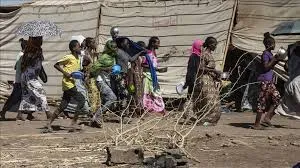
We witness skeletal frames in Sudanese refugee camps on May 1, 2026, as UN officials warn the Hormuz blockade has doubled food aid delivery costs, pushing East Africa toward catastrophe. Trucks idle amid dust clouds, drivers rationing fuel under skyrocketing prices, families clutching empty bowls while the scent of distant rains mocks parched hopes. This supply chain chokehold amplifies Sudan’s war ravages, demanding urgent global action to avert mass starvation.
Hormuz Blockade’s Ripple Effects
Iran’s Hormuz Strait closure since January reroutes shipments around Africa, adding 15,000 nautical miles and weeks to voyages. Freight rates surge 120 percent, UN World Food Programme budgets straining. Sudan, reliant on 80 percent imported wheat, bears brunt; aid trucks crawl from Port Sudan, delays rotting perishables.
Farmers in Darfur watch barren fields, conflict barring planting. We feel the desperation, mothers measuring rice grains for children with hollow eyes.
Cost Breakdown Exposed
- Shipping: Up from $50,000 to $110,000 per vessel.
- Fuel: Triple for detours.
- Insurance: Quadrupled amid risks.
Sudan’s Precarious Food Landscape
Civil war since 2023 displaces 10 million, destroying harvests. Pre crisis, 18 million faced hunger; now 25 million teeter. Ports clog with delayed grain, warehouses emptying. Aid workers ration portions, voices cracking over radio pleas.
East Africa Domino Threat
Somalia, Ethiopia, Kenya import via same routes. Famine looms for 30 million, rivers dry from drought compounding blockade woes. Livestock die, nomads trek endlessly. Global stocks dwindle, bread riots brew in capitals.
Affected Populations Mapped
Sudan: 25 million acute. Somalia: 8 million. Ethiopia: 20 million at risk.
UN’s Urgent Plea and Data
World Food Programme chief Cindy McCain briefs Geneva, charts showing doubled logistics hitting 40 percent of budgets. “Children pay ultimate price,” she urges, tears unspoken. WFP Sudan operations detail strains.
Human Stories from the Frontlines
In Khartoum camps, Amina cradles toddler Malik, skin taut over bones. “Aid trucks late again; he cries for milk we lack,” she whispers, flies buzzing pots. Driver Omar reroutes endlessly, “Fuel gone, families starve waiting.”
Global Supply Chain Vulnerabilities
Hormuz handles 20 percent oil, but food freighters suffer congestion. Alternatives scarce: Red Sea threats, Panama Canal droughts. Insurers balk, premiums soaring. Farmers worldwide hoard, prices spiking 30 percent.
Mitigation Strategies Urged
Stockpile regionally. Boost local farming with seeds. Airlifts for emergencies.
Governments and Aid Responses
US pledges $500 million extra, EU air bridges. Gulf states mediate Hormuz talks. NGOs like Oxfam drill wells, distribute fortified porridge. Progress slow against tide.
Economic Pressures Amplified
Inflation ravages: Sudan pound plummets, bread triples. Remittances dry as migrants jobless. Markets empty, black markets thrive on smuggled rice.
Long Term Fixes Proposed
Diversify ports. Invest resilient agriculture. Diplomacy resolves blockades.
Environmental and Climate Overlaps
Droughts worsen, Horn of Africa rivers dust bowls. Floods spoil stocks. Sustainable farming key: drought resistant crops, solar irrigation.
Calls to Action for Readers
Donate via verified channels. Advocate policy shifts. Support local farmers globally. Small acts compound.
Historical Echoes and Hopes
1984 Ethiopia famine killed millions; lessons ignored. Yet resilience shines: communities share scraps, songs sustain spirits. FAO food security tools guide recoveries.
Pathways to Avert Catastrophe
Swift Hormuz thaw vital. Aid surges, local production ramps. We stand with afflicted, urging unity. East Africa’s children deserve full plates, futures nourished.