October 15, 2026
A new cross border higher education partnership involving the University of Birmingham and academic partners in Lagos is drawing attention to the growing demand for advanced technical skills across international markets. The reported initiative aims to introduce joint postgraduate degrees in artificial intelligence, data technologies, and digital media, creating opportunities for students to pursue advanced study in fields that are reshaping businesses, public services, and creative industries.
The proposed collaboration reflects a wider shift in higher education, as universities seek to connect academic learning with practical industry needs and expand access to internationally relevant qualifications. For students in Nigeria and beyond, the prospect of joint degree programmes could offer a valuable route into careers that increasingly depend on digital expertise. However, the partnership’s full impact will depend on programme details, including admissions requirements, tuition fees, delivery arrangements, and the recognition of qualifications.
Why the Birmingham and Lagos Partnership Matters
Universities are under growing pressure to prepare graduates for a labour market in which technical knowledge and the ability to solve complex problems are becoming increasingly important. Artificial intelligence is changing how organisations analyse information and automate routine work. Data technologies are helping businesses make decisions based on large volumes of information, while digital media is influencing how companies communicate, educate audiences, and reach customers.
A partnership connecting a British university with institutions in Lagos could help bring these areas of study closer to students and employers across different markets. Birmingham offers an established British higher education environment, while Lagos is a major commercial and technology centre in Nigeria. Collaboration between institutions in these locations could create opportunities to share academic expertise, compare regional challenges, and develop teaching that reflects the needs of international industries.
We should view the initiative not simply as an expansion of postgraduate education, but as part of a broader conversation about who can access advanced technical training and where that training takes place. International collaboration can widen academic networks and introduce students to different professional perspectives, provided that programmes are affordable, accessible, and supported by strong teaching and student services.
Three Fields at the Centre of Digital Economic Growth
Artificial intelligence and its expanding applications
Artificial intelligence has moved well beyond experimental research and is increasingly used in customer support, financial services, health research, logistics, manufacturing, and software development. Organisations are exploring ways to use machine learning systems to identify patterns, forecast demand, assist with decision making, and reduce repetitive tasks.
Postgraduate education in AI can help students develop a deeper understanding of the mathematical, computational, and ethical principles behind these systems. Depending on the curriculum, relevant subjects may include machine learning, neural networks, natural language processing, computer vision, and responsible AI development.
For students, the most valuable preparation will combine technical competence with critical judgment. AI professionals must understand how models are trained, how data quality affects results, and why automated decisions can produce errors or unfair outcomes. Employers also need people who can explain technical findings clearly and recognise when human oversight remains necessary.
In Nigeria, where businesses across finance, commerce, agriculture, education, and telecommunications are exploring digital services, advanced AI training could support the development of locally relevant solutions. Examples include tools for analysing agricultural conditions, improving customer service, detecting suspicious financial transactions, and making educational resources more accessible. These are potential applications rather than confirmed outcomes of the reported degree partnership.
Data technologies and the demand for analytical expertise
Data technologies form another important part of the proposed academic focus. Organisations generate information through digital transactions, mobile applications, websites, sensors, customer interactions, and internal operations. Turning these records into reliable insights requires more than collecting numbers. Professionals must know how to organise data, assess its quality, protect sensitive information, and communicate findings in a useful form.
Advanced study in this area may cover data engineering, database systems, cloud computing, statistical analysis, data visualisation, and information governance. The precise subjects will depend on the programmes eventually offered, but these capabilities are relevant to organisations seeking to improve efficiency and make evidence based decisions.
Data specialists can work in sectors ranging from banking and retail to public administration and scientific research. A company might use sales data to forecast inventory requirements, while a public agency could analyse service records to identify areas where resources are most needed. In both cases, the quality of the decision depends on the reliability of the underlying information.
Students also need to understand the responsibilities that accompany access to data. Privacy, cybersecurity, informed consent, and responsible information sharing are essential considerations, particularly when systems handle financial, medical, or personal records. A strong postgraduate programme should help learners balance analytical ambition with legal and ethical obligations.
Digital media and the changing creative economy
Digital media brings together communication, design, storytelling, technology, and audience analysis. News organisations, educational institutions, advertising agencies, entertainment companies, and independent creators increasingly rely on digital platforms to distribute content and engage audiences.
Postgraduate study in this field may explore interactive media, digital storytelling, audience research, multimedia production, online communication, and the relationship between emerging technologies and creative work. The exact curriculum of the reported joint degrees has not been specified in the available summary.
Digital media professionals need both creative judgment and an understanding of the systems through which content reaches people. They must consider accessibility, platform behaviour, audience expectations, copyright, misinformation, and the responsible use of automated content tools.
For Lagos, which has a substantial commercial environment and a prominent creative sector, advanced digital media education could help learners connect technical knowledge with local stories, businesses, and cultural industries. For students, the combination of digital communication and analytical skills may also support careers in content strategy, multimedia production, digital publishing, and audience development.
What the New Postgraduate Degrees Will Offer
The universities have confirmed two programmes rather than three separate degrees. The first is the one year MSc Artificial Intelligence and Data Technologies, while the second is the MA Digital Media and Communications. Both are scheduled to begin teaching in September 2027 and will be delivered in Lagos.
The programmes follow a memorandum of understanding signed by the institutions in January 2026. Their development involves cooperation with Nigeria’s Ministry of Education and the National Universities Commission through a transnational education unit based in Lagos. This arrangement is intended to bring British university education to Nigerian students without requiring them to relocate to the United Kingdom for the entire course.
For prospective students, this distinction matters. Studying an internationally developed postgraduate programme in Nigeria could reduce the financial and personal challenges associated with overseas education, including international travel, accommodation, and living expenses. The actual savings will depend on the tuition fees and other costs announced for the Lagos programmes.
The universities have also indicated that the courses are intended to support Nigeria’s economic development by preparing graduates for professional opportunities in technology, business, research, and communications. Further details about admission requirements, application deadlines, and fees should be checked through the institutions’ official channels as they become available.
How the Partnership Could Support Nigeria’s Technology Sector
Nigeria has a large population of young people and a growing need for specialised digital skills. Technology companies, financial institutions, telecommunications providers, and established businesses increasingly require professionals who can combine technical knowledge with an understanding of local markets.
Expanding access to advanced education could help address some of these needs. Graduates trained in artificial intelligence and data technologies may contribute to financial technology, healthcare innovation, business analytics, and software development. Those studying digital media and communications could pursue opportunities in journalism, broadcasting, public relations, digital publishing, and creative production.
However, a postgraduate qualification alone cannot resolve every skills shortage. Students also need opportunities to gain practical experience, develop professional networks, and apply classroom learning to real problems. Employers can support this process through internships, research partnerships, industry projects, and mentoring arrangements.
For the universities, continued engagement with Nigerian businesses and public institutions could help keep teaching relevant to the needs of the economy. Local case studies and practical projects would allow students to examine challenges they may encounter in their own workplaces rather than relying exclusively on examples from other countries.
International Education Without the Full Cost of Relocation
One of the most significant aspects of transnational education is its potential to widen access to international academic opportunities. Studying abroad can be valuable, but the costs of tuition, accommodation, travel, insurance, and daily living can place overseas degrees beyond the reach of many qualified students.
Delivering a joint programme in Lagos offers another route. Students may be able to access international academic expertise while remaining closer to their families, existing employment, and local professional networks. This arrangement could be especially valuable for working professionals who want to develop specialised skills without leaving their current responsibilities behind.
Nevertheless, affordability must be assessed through actual programme costs rather than assumptions. Prospective applicants should compare tuition fees, living expenses, available financial assistance, course schedules, and the precise qualification awarded. They should also confirm the academic recognition of the degree and whether it meets the requirements of their intended employers or professional bodies.
Information about the participating institutions can be found through the University of Birmingham’s official website and the University of Lagos. Applicants should rely on official admissions announcements for confirmed details rather than unofficial claims circulating on social media.
Quality Assurance Will Be Essential to Long Term Success
Cross border degree programmes require careful coordination to ensure that students receive consistent academic support and a qualification that meets the agreed standards. Teaching arrangements, assessment methods, research supervision, student services, and academic oversight all need to be clearly established.
Cooperation with Nigeria’s National Universities Commission and the Ministry of Education is particularly relevant because international partnerships must operate within the country’s higher education framework. Students will need transparent information about academic expectations, available facilities, complaints procedures, and the responsibilities of each participating institution.
There is also an important question of how the universities will maintain a balance between international academic standards and local relevance. A successful programme should provide rigorous technical and research training while recognising the economic, cultural, and professional conditions in which graduates will work.
Trust will ultimately depend on the experience of students and the value employers place on their skills. Clear communication, accessible support, fair assessment, and meaningful professional opportunities can help build that confidence over time.
What Prospective Students Should Do Before Applying
Although teaching is not scheduled to begin until September 2027, prospective applicants can use the intervening months to prepare. Students interested in artificial intelligence and data technologies should strengthen their programming, mathematics, statistics, and analytical skills where relevant. Those considering digital media and communications may benefit from developing research, writing, content production, and critical media analysis skills.
Applicants should also monitor official announcements for the following information:
- Academic qualifications and subject requirements for admission.
- Tuition fees, payment arrangements, and any available scholarships.
- Application opening dates and submission deadlines.
- Programme structure, teaching schedules, and assessment methods.
- The exact degree awarded and its recognition in Nigeria and internationally.
Preparing early can help applicants make informed decisions and identify any academic gaps they need to address before applying. It can also give working professionals time to consider how a postgraduate programme would fit around their employment and financial commitments.
A New Opportunity for Cross Border Higher Education
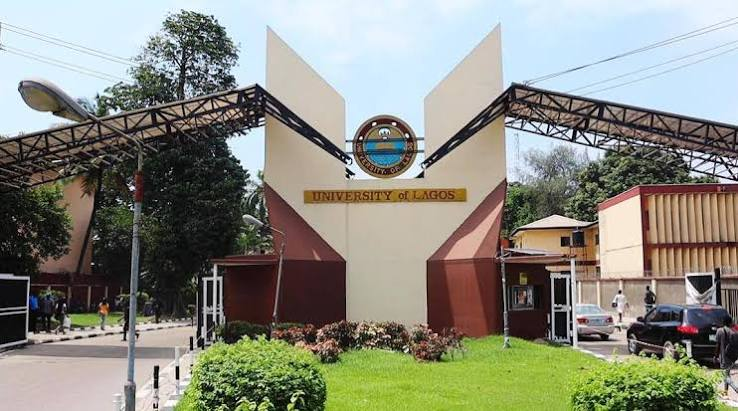
The University of Birmingham and University of Lagos partnership represents a notable development in international postgraduate education. By bringing programmes in artificial intelligence and data technologies, alongside digital media and communications, to Lagos, the institutions are seeking to connect international academic expertise with Nigeria’s demand for advanced professional skills.
The significance of the initiative will depend on what happens beyond the launch. Accessible tuition, strong academic oversight, relevant teaching, practical experience, and clear career pathways will help determine whether the degrees deliver lasting benefits for students and employers.
For Nigeria, the partnership offers an opportunity to strengthen domestic postgraduate education while maintaining international academic connections. For students, it presents a potential route to advanced qualifications without the immediate need to relocate overseas. For businesses, it could contribute to a larger pool of professionals equipped to work across technology, data, and digital communication.
As the September 2027 start date approaches, prospective students and employers will be watching for further programme details. If the partnership fulfils its aims, it could demonstrate how universities in different countries can work together to expand educational opportunities, develop relevant skills, and support a more connected global knowledge economy.