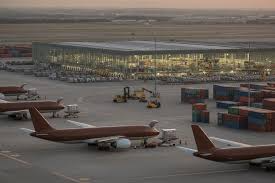
UPS is committing more than $2 billion to global logistics investments through 2028, with a focus on cross border freight corridors, healthcare shipping and resilient air transportation routes. The spending plan arrives as businesses continue to demand faster and more dependable logistics networks, particularly for products that cannot tolerate delays, including medicines, medical supplies, temperature sensitive goods and high value commercial shipments.
Why UPS Is Investing in the Physical Supply Chain
Supply chains can look almost invisible to consumers until something goes wrong. A package that normally arrives in two days may suddenly take a week because of a customs delay, severe weather event, airport disruption or shortage of transportation capacity. For businesses, the consequences can be far more serious.
A factory waiting for a critical component may have to slow production. A pharmacy may need an urgent medicine shipment. A retailer can lose sales when inventory arrives after customers have already moved on. These examples show why logistics infrastructure has become an increasingly important part of business planning.
UPS’s investment commitment reflects a broader effort to make its network more capable of handling complex international trade while providing additional reliability in industries where delivery performance can directly affect people’s lives.
Cross Border Freight Is a Major Priority
International trade depends on smooth movement between countries. A shipment may pass through multiple transportation networks before reaching its final destination, with customs procedures and regulatory requirements adding additional layers of complexity.
Cross border freight therefore requires more than trucks and aircraft. It depends on customs expertise, digital tracking systems, strategically located facilities and reliable connections between transportation modes.
Investment in cross border corridors can help reduce friction by improving how shipments move between major economic centers. Better coordination can also make it easier for businesses to plan inventory because they have greater confidence in expected delivery times.
Why Cross Border Reliability Matters to Businesses
Large multinational companies often operate complex production networks in which components are manufactured in different countries. A single delayed shipment can affect an entire manufacturing schedule.
Small and medium sized businesses can be even more sensitive to disruption because they typically have fewer alternative suppliers and less inventory available as a buffer.
Reliable international logistics can therefore give businesses greater flexibility. Companies may be able to hold less inventory while still maintaining dependable production schedules if transportation networks operate consistently.
Healthcare Shipping Requires a Different Standard
Healthcare logistics is one of the most demanding parts of the global shipping industry. Medical products may have strict temperature requirements, limited shelf lives and regulatory obligations that do not apply to ordinary consumer goods.
A delayed package can be inconvenient for a household, but a delayed medical shipment can affect hospitals, pharmacies and patients. Temperature sensitive medicines can also lose their usefulness if they are exposed to unsuitable conditions for too long.
UPS’s focus on healthcare shipping reflects the growing importance of specialized logistics services that can protect products throughout transportation rather than simply moving a box from one address to another.
Cold Chain Logistics Is Becoming More Important
Modern pharmaceutical supply chains increasingly rely on cold chain transportation. Certain medicines, vaccines and biological products need carefully controlled temperatures from the moment they leave a manufacturer until they reach a healthcare provider.
This creates a difficult operational challenge because temperature control must continue across multiple stages. A shipment can be exposed to heat while waiting at a facility, during transportation or while being transferred between different modes of travel.
Specialized packaging, monitoring technology and temperature controlled facilities can help reduce these risks. Investment in this infrastructure can therefore provide benefits that are difficult to measure simply by counting delivery speed.
Air Freight Remains Critical for Time Sensitive Cargo
Air transportation remains one of the fastest ways to move goods across long distances. It is particularly valuable for products that are expensive, urgent or highly sensitive to delays.
UPS’s planned investment in resilient air routes reflects the importance of maintaining reliable aviation capacity even when individual routes experience disruptions. Weather, geopolitical events, airport congestion and technical problems can all affect air freight schedules.
A resilient network needs flexibility. When one route becomes unavailable, logistics operators need alternative paths that can keep important shipments moving.
Resilience Means More Than Speed
For many years, logistics competition focused heavily on delivery speed. Customers became accustomed to rapid shipping, while businesses adopted inventory strategies built around frequent replenishment.
Recent disruptions have demonstrated that speed alone is not enough. A supply chain that is extremely fast under normal conditions but fails whenever a major disruption occurs can create significant costs for customers.
Resilience means having enough flexibility to respond when conditions change. That can involve alternative transportation routes, strategically positioned facilities, multiple suppliers and technology capable of identifying problems before they become major delays.
Technology Will Shape the New Logistics Network
Physical infrastructure is only one part of the investment equation. Modern logistics networks depend heavily on data and automation.
Tracking systems can provide businesses with information about shipment location and expected arrival times. Advanced analytics can help logistics companies anticipate congestion and allocate transportation capacity more effectively.
Automation can also improve the handling of packages and freight inside large facilities. Faster sorting and more accurate processing can reduce bottlenecks without requiring every increase in volume to be matched by an equal increase in manual labor.
For customers, much of this technology appears as a simple tracking notification. Behind that notification is a complicated system designed to connect physical movement with digital information.
The Investment Could Benefit International Commerce
UPS operates within a global logistics environment that connects manufacturers, retailers, healthcare providers and consumers across borders. Improvements to transportation infrastructure can therefore have effects that extend beyond UPS itself.
When freight moves more predictably, businesses can make more confident decisions about where to source materials and where to locate production. International suppliers can serve customers in more markets, while retailers can manage inventory across larger geographic areas.
This is particularly relevant for companies trying to balance global sourcing with resilience. Businesses may continue using international suppliers while also seeking transportation networks capable of responding to disruptions.
Small Businesses Could Gain From Better Logistics
Global logistics investments are not only relevant to multinational corporations. Smaller businesses increasingly sell products across borders through online marketplaces and direct ecommerce websites.
For these companies, international shipping can be one of the most difficult parts of expansion. Customs documentation, delivery times, tracking and returns all become more complicated when customers live in different countries.
A stronger cross border network can reduce some of those obstacles. When shipping processes become more predictable, smaller businesses may be able to enter international markets without building their own transportation infrastructure.
What the Investment Means for Consumers
Consumers may not immediately see a dramatic change after a large logistics investment. Infrastructure projects take time, and many improvements occur behind the scenes.
Over time, however, customers may notice more reliable delivery estimates, better shipment visibility and fewer disruptions for international purchases. Healthcare customers could benefit from more dependable transportation of temperature sensitive products and medical supplies.
There is also a broader benefit. When logistics networks become more reliable, businesses can spend less time reacting to transportation problems and more time focusing on products and customers.
Supply Chain Resilience Has Become a Strategic Priority
The past several years have shown how quickly supply chains can be disrupted. Factory shutdowns, port congestion, extreme weather and geopolitical tensions can create consequences that spread across continents.
Companies have responded by reconsidering how much inventory they hold, where they source products and how dependent they are on individual transportation routes.
The World Trade Organization’s work on global trade and supply chains provides broader context for the importance of reliable international commerce and the interconnected nature of modern supply networks.
Logistics companies sit directly at the center of this system. Their networks connect production with consumption, making their infrastructure decisions increasingly important to businesses planning for uncertainty.
What UPS Will Need to Deliver on the Plan
Spending more than $2 billion is significant, but capital alone does not guarantee a stronger network. UPS will need to direct investment toward locations and services where additional capacity produces meaningful improvements.
Execution will matter. New facilities need to integrate with existing networks. Air routes need sufficient demand to remain economically sustainable. Healthcare infrastructure needs to meet demanding regulatory and quality requirements. Cross border systems must work smoothly across different national rules.
Customer experience will ultimately provide one of the clearest measures of success. Businesses want predictable transportation, while consumers want packages to arrive when promised and in the expected condition.
A New Balance Between Efficiency and Resilience
The logistics industry is gradually moving toward a more balanced model. Efficiency remains essential because transportation is expensive, but companies can no longer assume that the cheapest or fastest route will always be available.
Resilience requires investment in alternatives. That may mean additional facilities, flexible air capacity, specialized healthcare infrastructure or technology that provides earlier warnings about potential disruptions.
UPS’s investment plan reflects that changing priority. The goal is not simply to move more packages. It is to create a network capable of supporting increasingly complicated international commerce while remaining dependable when conditions become difficult.
The Road Ahead for Global Logistics
Through 2028, the success of this strategy will depend on how effectively UPS combines physical infrastructure, technology and specialized services. Cross border freight, healthcare logistics and air transportation each have different requirements, but they share one fundamental need: reliability.
For companies, dependable logistics can determine whether an international expansion succeeds or becomes overwhelmed by transportation problems. For healthcare providers, it can affect whether critical products reach patients on time. For consumers, it can shape whether an online purchase arrives as expected.
We should therefore view major logistics investments as part of a much larger shift in how global commerce manages risk. The modern supply chain is no longer designed only for maximum speed or minimum cost. It increasingly needs the ability to keep functioning when the unexpected happens.
UPS’s more than $2 billion commitment places a substantial financial bet on that principle. If the investment strengthens international freight corridors, expands dependable healthcare shipping and creates more resilient air routes, the benefits could extend well beyond individual shipments. They could help businesses build supply chains that are better prepared for the uncertainty of global trade.