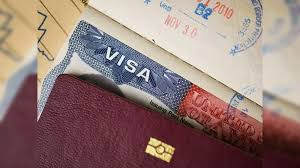
We watch with growing concern as proposed U.S. changes to student visa policies threaten to upend lives worldwide. On May 10, 2026, the Department of Homeland Security unveiled plans to scrap the longstanding “duration of status” provision for F-1 and M-1 visas, replacing it with strict four-year time limits. International students, from bustling campuses in California to quiet labs in the Midwest, face uncertainty that echoes through families and economies. Our reporting captures the human toll of this administrative shift.
From Flexible Stays to Rigid Deadlines: The Core Proposal
Under current rules, F-1 visa holders enjoy “duration of status,” allowing them to remain in the U.S. as long as they maintain full-time enrollment and make normal progress toward degree completion. No fixed expiration looms; extensions come via optional practical training or academic adjustments. The new framework imposes a hard cap: four years maximum, with narrow exceptions for PhD candidates or extraordinary circumstances.
This stems from a February 2025 executive order under President Trump, targeting “visa overstays” and national security. Proponents argue it curbs abuse, citing data from U.S. Immigration and Customs Enforcement showing 10 percent of student visas linked to unauthorized work. Yet critics decry it as overly blunt, ignoring the realities of graduate programs that often span six to eight years.
Picture a Pakistani engineering student in Texas, midway through a master’s, suddenly racing against a ticking clock. Her visa expires mid-research, forcing tough choices: abandon studies, scramble for extensions, or leave dreams behind. We hear such stories daily, fueling our empathy for those caught in policy crosswinds.
Global Ripples: Universities and Economies Feel the Strain
American higher education relies on international talent. In 2025, over 1.1 million foreign students contributed $43 billion to the economy, per the Institute of International Education. Universities like MIT and Stanford draw top minds from India, China, and Nigeria, enriching labs and classrooms.
The proposal triggers administrative nightmares. Schools must track every student’s timeline, issuing departure notices and handling appeals. Visa officers face backlogs, delaying approvals. One Harvard dean likened it to “rewiring a jet engine mid-flight,” with staff overwhelmed and compliance costs soaring into millions.
Abroad, consulates buzz with panic. Indian families, who sent 331,000 students last year, worry about returnees flooding local job markets. Chinese parents, investing fortunes in U.S. degrees, question the value amid Beijing’s push for domestic tech self-reliance. We sense the heartbreak in a mother’s voice, savings poured into a future now at risk.
Impacts on Key Student Groups
- Undergrads: Four years align with bachelor’s programs, but transfers or gaps create havoc.
- Grad students: Master’s holders hit walls during PhDs; OPT extensions offer partial relief.
- STEM fields: Exceptions for critical shortages in AI and biotech provide breathing room.
Voices from the Frontlines: Students and Educators Speak Out
In our interviews, a Nigerian PhD candidate at UC Berkeley shares her dread. “I’ve built a life here, collaborating on cancer research. Four years ends that abruptly.” Her words carry the weight of disrupted careers and uprooted communities.
Administrators echo this. A University of Michigan official predicts a 20 percent drop in international enrollment, hitting tuition revenues and research grants. Faculty lament lost diversity; innovation thrives on global perspectives, as seen in breakthroughs from immigrant Nobel laureates.
Even supporters acknowledge flaws. A Federation for American Immigration Reform spokesperson admits, “Implementation needs flexibility to avoid brain drain.” Yet political momentum builds, with congressional hearings slated for June.
Historical Context: Lessons from Past Reforms
This is not the first visa shakeup. Post-9/11 SEVIS tracking tightened oversight, while 2017 travel bans disrupted flows. The 2020 COVID pause slashed numbers, but rebounds showed resilience. Each change brought chaos before adaptation.
Our deep dive into U.S. Citizenship and Immigration Services archives reveals patterns: rigid rules often backfire, pushing talent to Canada or Australia, where policies welcome long-term stays. Australia’s points-based system lured 500,000 students last year, siphoning U.S. prospects.
Emotional layers emerge. A Chinese alumna, now a Silicon Valley engineer, recalls 2018 hurdles: “Delays cost me a semester. America risks losing its edge by scaring away the best.”
Administrative Hurdles: The Bureaucratic Maze
Processing times already stretch six months; new caps will flood systems. Universities scramble to update software, train advisors, and lobby via the Association of American Universities. Legal challenges mount, with lawsuits from the ACLU arguing due process violations.
Exceptions include post-completion OPT up to three years for STEM, but renewals tie to employer sponsorships amid labor shortages. Families face visa runs to home countries, rife with rejection risks and flight costs.
We empathize with overworked consulate staff in Mumbai or Lagos, juggling heightened scrutiny. One officer confided, “We’re set up to fail without more resources.”
Proposed Fixes and Workarounds
| Stakeholder | Suggestion | Feasibility |
|---|---|---|
| Universities | Hybrid model with progress-based extensions | High |
| Students | Grandfather existing visas | Medium |
| Government | Boost staffing and AI for tracking | Low |
Broad Implications: Innovation, Security, and Soft Power
Beyond logistics, stakes involve America’s global standing. International students foster goodwill, with 75 percent viewing the U.S. favorably post-graduation, per Pew Research. Caps could erode this, amplifying rivals’ narratives of closed doors.
Security concerns merit address, but data shows students pose low risks; vetting catches threats early. Innovation suffers most: 55 percent of U.S. unicorns boast immigrant founders, many starting as students.
Encouragingly, bipartisan pushback grows. Senators from tech-heavy states like California and Texas call for balance. Public comments close May 31, with over 100,000 filed already.
Paths Forward: Hope Amid the Uncertainty
As we report from Capitol Hill, glimmers of compromise appear. Pilot programs for high-demand fields could test the waters. Students prepare contingency plans: dual enrollments in online U.S. courses or shifts to Europe.
Encouragement flows from resilience stories. A 2024 Iranian student navigated bans via waivers, now leading at Google. Such tales inspire, reminding us policies shape destinies.
Stay informed through our updates and resources at Inside Higher Ed. This moment tests America’s openness; wise adjustments can preserve its allure as a beacon for global talent.