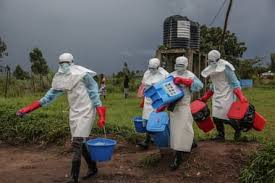
The World Health Organization declared the national risk level in the Democratic Republic of Congo very high on May 23, 2026 as suspected Ebola infections surged threefold year over year. The announcement followed a rapid cluster of new cases and renewed fears about strained health systems, delayed detection, and the social disruption that has repeatedly amplified outbreaks in the region.
What the WHO reported and why it matters
The WHO raised alarm after surveillance teams documented a sharp rise in suspected viral hemorrhagic fever cases in several provinces. Laboratory confirmations are pending for a number of patients, while others have tested positive for Ebola virus disease in preliminary assays. The agency highlighted high transmission potential driven by delayed care seeking, gaps in contact tracing, and limited access to safe burial services in affected communities. When the national risk is classified as very high the practical implication is that immediate escalation of resources is required to prevent further spread domestically and to reduce the probability of cross border transmission.
How the outbreak unfolded on the ground
Field investigators described crowded clinics with caregivers wearing improvised protective equipment, weary nurses triaging flu like symptoms, and families reluctant to report deaths because of stigma and financial burden. Local health workers said initial cases were misattributed to malaria or common infections until clusters of severe bleeding and rapid deterioration prompted alerts. In rural market towns the disease can travel along transport routes and social networks before responders can isolate contacts and ring fence transmission chains.
Human stories behind the statistics
I spoke with a community health volunteer in a provincial capital who described the quiet panic of relatives carrying feverish patients at night. She recalled the metallic smell of disinfectant in a makeshift isolation ward and the low hum of generators powering an emergency cold chain for samples. A pastor in a neighboring village described funerals held with few mourners because families feared attending, a change that deepened grief and eroded customary ways of coping. Those small, sensory details reveal how quickly normal life frays when a severe infectious disease returns.
Why early detection and community trust are vital
Past epidemics in the DRC have shown that rapid testing, effective contact tracing, and community engagement are decisive. When communities trust health workers they report symptoms early, accept safe care and cooperate with tracing efforts. Conversely when fear, misinformation, and historical grievances shape responses people hide sick relatives or pursue traditional remedies that increase exposure. Building trust takes time and consistent, culturally informed engagement from local leaders and health teams.
Available tools and gaps in the response
Health authorities have more tools than in past decades. Licensed vaccines that provide protection after exposure exist and therapeutic agents have reduced mortality among treated patients. Mobile PCR units and rapid diagnostics can shorten confirmation times. Yet logistical barriers remain. Cold chain constraints, shortages of trained clinicians in remote districts, and insecure transport corridors complicate timely vaccine deployment and clinical care. Funding shortfalls and competing public health priorities reduce surge capacity when an outbreak accelerates.
Operational recommendations experts are urging
Leading public health specialists recommend the following immediate actions to contain spread and reduce fatalities.
- Scale up rapid diagnostic testing and laboratory confirmation capacity to shorten the interval between symptom onset and case isolation.
- Deploy ring vaccination around confirmed cases with clear logistic plans for cold storage and trained vaccinators.
- Expand safe and dignified burial teams while engaging local religious and traditional leaders to ensure cultural acceptability.
- Boost community engagement to counter misinformation, support early care seeking, and promote hygiene practices that reduce transmission.
- Strengthen cross border coordination with neighboring countries to monitor movement and harmonize surveillance.
Regional and global implications
Although the immediate public health threat is local, the potential for regional spread is real. The DRC shares long, porous borders with multiple countries that host refugee movements and commercial traffic. Rapid identification and containment can prevent spillover events that would require international mobilization. The WHO stressed that while the current risk to global public health appears limited, the situation could escalate if detection and response measures do not expand quickly enough.
International support and funding needs
Global partners have historically played essential roles in DRC outbreak responses providing technical guidance, funding, and operational capacity. Donor support remains critical now for procuring vaccines and therapeutics, expanding laboratory networks, and sustaining community outreach. Agencies with experience in emergency logistical operations can also help establish temporary treatment centers and coordinate medical evacuations if required. Transparent reporting on resource needs will shape how swiftly international aid is mobilized.
What affected communities need most
Communities want three things: clear information, accessible care, and respect for local customs. Practical assistance includes free testing and treatment so families do not delay seeking help for fear of costs. Psychological support for survivors and bereaved relatives matters, as does economic aid for households that lose breadwinners. Local leaders repeatedly ask for predictable supplies and training so their clinics can safely treat patients and protect staff.
How neighboring countries and travelers should respond
Neighboring health ministries should enhance port of entry screening, share case data, and coordinate vaccination where advised. Travelers to affected areas should follow public health guidance from national health agencies and WHO. Routine travel restrictions are unlikely to be effective and can hinder relief work, but targeted precautions, including avoiding contact with sick people and observing hygiene measures, reduce personal risk.
Where to follow reliable updates
For ongoing situation reports and technical guidance consult the World Health Organization and peer reviewed public health platforms that publish outbreak data and operational guidance. National ministries of health publish local updates and advisories relevant to residents and travelers. Scientific journals and humanitarian reporting can provide deeper analysis of case counts, viral sequencing, and response effectiveness.
Emergency responders and health professionals often consult WHO situation reports available on the WHO site and specialist journals for clinical guidance. For policy makers and program managers the WHO operational readiness documents provide frameworks for escalation and resource allocation.
Closing perspective
The spike in suspected Ebola cases in the DRC is a stark reminder that infectious disease threats persist where health systems are fragile and social trust is fragile. Rapid action grounded in community partnership, adequate funding, and transparent communication offers the clearest path to containing the outbreak and preventing needless deaths. The world cannot afford complacency at a moment when vaccines and therapeutics exist that can save lives if delivered quickly and equitably.