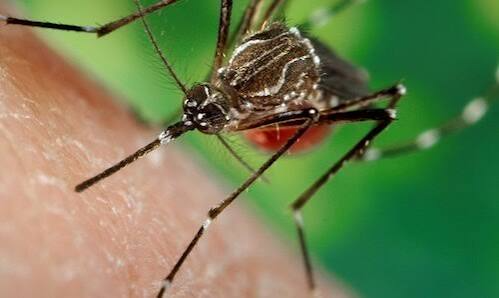
The World Health Organization has issued a global warning over the rapid spread of resilient dengue strains as changing climate patterns allow the mosquitoes that transmit the disease to survive in regions that previously faced limited risk. The warning, issued on September 4, 2026, calls for faster international vaccine deployment, stronger disease surveillance, and more aggressive mosquito control as dengue transmission expands into new parts of the Northern Hemisphere.
Dengue Is Moving Into New Geographic Territory
Dengue has traditionally been associated with tropical and subtropical regions, where warm temperatures and seasonal rainfall create favorable conditions for Aedes mosquitoes. Those boundaries are becoming less predictable. Warmer temperatures, changing rainfall patterns, urban growth, and increased movement of people are creating conditions in which dengue transmission can occur for longer periods and in places that previously experienced little or no sustained transmission.
For communities encountering dengue for the first time, the change can be especially difficult. Health systems may not have extensive experience identifying cases, monitoring outbreaks, or preparing hospitals for sudden increases in patients. Residents may also be unfamiliar with the mosquito control measures that are routine in areas where dengue has circulated for decades.
The WHO warning highlights why geographic expansion matters. Dengue is not simply a tropical health concern. As environmental conditions shift, public health authorities in additional countries may need to prepare for seasonal outbreaks that were once considered unlikely.
Why Resilient Dengue Strains Are Raising Concern
Dengue is caused by four closely related virus types, and infection can produce symptoms ranging from mild fever to severe disease. High fever, intense headache, pain behind the eyes, muscle and joint pain, nausea, and rash are among the symptoms commonly associated with dengue.
The phrase resilient dengue strains reflects a wider concern about the ability of dengue viruses to continue circulating under changing environmental and epidemiological conditions. Dengue transmission is influenced by mosquito populations, human movement, immunity within communities, and environmental factors. When several of these conditions align, outbreaks can grow rapidly.
That speed creates a difficult public health challenge. A community may move from scattered infections to a substantial outbreak within a relatively short period. Hospitals can then face sudden pressure, particularly when children, older adults, pregnant people, or individuals with other vulnerabilities require medical attention.
Climate Change Is Altering the Mosquito’s Environment
The connection between climate and mosquito borne disease is complex, but temperature and rainfall play important roles in determining where mosquito populations can survive and reproduce. Warmer conditions can allow mosquitoes to remain active for longer periods, while changing rainfall can create additional breeding sites.
Urban environments can further intensify the problem. Aedes mosquitoes can breed in relatively small amounts of standing water found around homes, construction areas, discarded containers, drains, and other locations. Dense neighborhoods can provide abundant opportunities for mosquitoes to interact with large human populations.
When temperatures remain suitable for longer periods, the window for dengue transmission can expand. Regions that once experienced only occasional conditions favorable to transmission may face more frequent periods of elevated risk.
The World Health Organization has increasingly highlighted the relationship between climate conditions and infectious disease risks, reinforcing the need for health systems to prepare for changing patterns rather than relying entirely on historical disease maps.
Why Faster Vaccine Deployment Matters
The WHO is calling for accelerated international vaccine deployment as part of a broader strategy to reduce dengue’s impact. Vaccination is one tool among several, and its role depends on the vaccine used, the population being targeted, local epidemiology, regulatory decisions, and public health guidance.
Speed matters because vaccination programs require planning. Health authorities must determine which populations should receive vaccines, secure supplies, organize distribution, train healthcare workers, communicate clearly with communities, and monitor safety and effectiveness.
Waiting until a major outbreak is already underway can make these preparations more difficult. A proactive approach allows governments to identify vulnerable populations and establish delivery systems before hospitals become overwhelmed.
Vaccine deployment should also be accompanied by clear public communication. Communities need understandable information about who should be vaccinated, how vaccination fits into dengue prevention, and why mosquito control remains necessary even when vaccines are available.
Mosquito Control Remains Essential
Vaccination alone cannot eliminate dengue transmission. Reducing mosquito populations remains one of the most practical ways to lower the probability of infection, particularly in neighborhoods experiencing active transmission.
Effective mosquito control begins with reducing breeding opportunities. Households and local authorities can work together to remove or cover containers that collect standing water. Water storage systems should be protected, waste should be managed properly, and public spaces should be monitored for potential breeding sites.
Community participation is especially important because mosquitoes do not respect property boundaries. A carefully maintained home can still be surrounded by breeding sites in nearby buildings, streets, vacant lots, or construction areas.
Health Surveillance Could Make the Difference
Early detection can help health authorities respond before an outbreak becomes much larger. Disease surveillance systems allow officials to monitor changes in case numbers, identify geographic clusters, and determine where mosquito control and medical resources are most urgently needed.
Laboratory capacity is another critical part of the response. Accurate testing can help distinguish dengue from other illnesses that cause fever and similar symptoms. Reliable information allows health authorities to make better decisions about hospital preparedness, public messaging, and targeted interventions.
Digital reporting systems can also help connect local clinics with regional and national health authorities. When information moves quickly, public health teams have more time to investigate unusual increases in cases and respond accordingly.
What Communities Should Know About Dengue Symptoms
People living in or traveling to areas where dengue transmission is occurring should be familiar with common symptoms. Sudden fever accompanied by severe headache, pain behind the eyes, muscle or joint pain, nausea, or rash can warrant medical evaluation, particularly during an outbreak.
Warning signs of severe dengue require urgent medical attention. These can include severe abdominal pain, persistent vomiting, bleeding, unusual weakness, restlessness, or other concerning changes after a fever begins to improve. People should follow advice from local health professionals because dengue can become serious even when early symptoms appear manageable.
Preventing mosquito bites is also essential. Using appropriate insect protection, wearing clothing that reduces exposed skin, keeping living spaces protected where practical, and eliminating standing water can reduce exposure to the mosquitoes responsible for transmission.
Why Northern Hemisphere Countries Need to Prepare
The expansion of dengue risk into new Northern Hemisphere regions creates a particular challenge for countries that have historically considered the disease primarily an imported infection. Public health authorities may now need to consider the possibility of local transmission under favorable environmental conditions.
This does not mean every warmer region will experience continuous dengue transmission. Local conditions differ considerably, and many factors influence whether sustained transmission becomes established. However, the changing geographic potential for transmission means that preparedness cannot depend entirely on past experience.
Hospitals, schools, travel clinics, local governments, and primary care providers can all play a role. Medical workers need access to current diagnostic guidance, while communities need clear information about mosquito prevention and when to seek medical care.
The Economic Cost of Expanding Dengue Risk
Dengue outbreaks can affect more than healthcare systems. When large numbers of people become sick, workers may miss employment, children may miss school, families may face medical expenses, and businesses can experience reduced productivity.
Tourism can also be affected when travelers become concerned about disease transmission. For destinations that depend heavily on visitors, even temporary perceptions of elevated health risk can have economic consequences.
Preventive spending can therefore provide benefits well beyond disease control. Investments in surveillance, vaccination, mosquito management, public education, and healthcare preparedness can reduce the disruption caused by large outbreaks.
International Cooperation Will Be Critical
Dengue is not contained by national borders. Mosquitoes may remain local, but people regularly travel between countries and continents. An infected traveler can therefore introduce a virus into a community where suitable mosquito populations are present.
International cooperation can help countries share epidemiological information, coordinate research, improve access to vaccines, strengthen laboratory networks, and develop more consistent public health strategies.
Global health organizations also have an important role in helping countries with fewer resources prepare for changing disease patterns. The ability to respond should not depend entirely on a country’s income level because infectious diseases can spread across connected regions regardless of economic boundaries.
A New Test for Global Public Health Preparedness
The latest WHO warning serves as a reminder that infectious disease preparedness must evolve alongside environmental conditions. Dengue is a particularly useful example because its transmission depends on the interaction between a virus, a mosquito, human behavior, urban environments, and climate.
We should not interpret the warning as a reason for panic. We should interpret it as a reason for preparation. Strong surveillance, timely vaccination where appropriate, effective mosquito control, informed communities, and accessible medical care can substantially improve the ability of countries to manage dengue outbreaks.
The greatest challenge may be maintaining that preparedness before a crisis becomes visible. Public health systems often receive the most attention when hospitals are already crowded and communities are already anxious. Building capacity earlier is less dramatic, but it is usually far more effective.
What Comes Next for the Global Dengue Response
The coming months will test how quickly countries can turn international warnings into practical action. Vaccine availability, mosquito control programs, disease surveillance, public education, and healthcare preparedness will all influence the trajectory of dengue risk.
For families, the message is straightforward. Dengue prevention begins with reducing mosquito exposure and eliminating breeding sites, while unexplained fever and concerning symptoms should receive appropriate medical attention. For governments, the task is broader: prepare health systems before seasonal transmission increases and ensure that prevention resources reach communities that need them most.
Climate related changes in disease patterns will continue to challenge traditional assumptions about where certain infections occur. The response to dengue therefore has significance beyond this single disease. It offers a model for how international health systems can prepare for infectious threats whose geographic boundaries are changing.
The WHO’s call for accelerated action places prevention at the center of the response. If governments, healthcare workers, researchers, communities, and international organizations act before transmission becomes entrenched in new regions, they will have a better chance of protecting lives and limiting the social and economic disruption that dengue can cause.