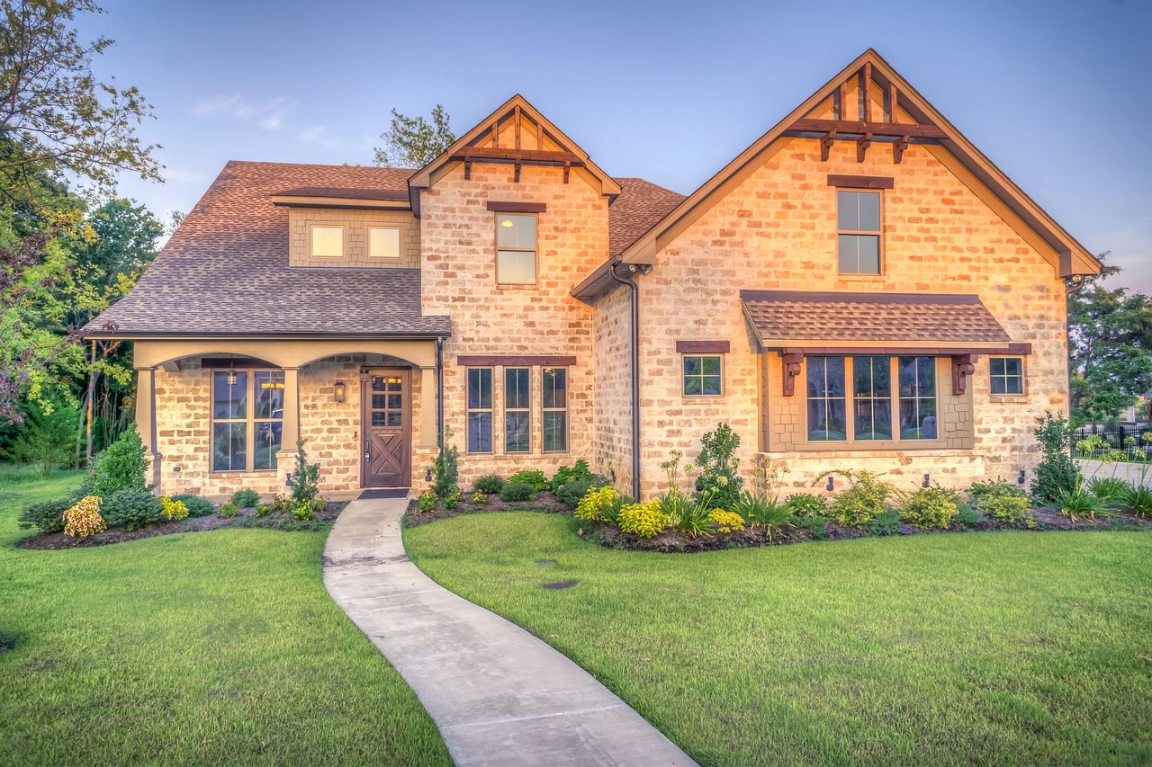
Kitchen and bathroom renovations dominate most home improvement budgets, and for understandable reasons. But if the goal is to raise property value, or simply change how the home reads from the street, that spend often lands in the wrong place. The exterior is what buyers, neighbours, and passing eyes encounter first. A tired facade signals neglect before anyone has set foot inside. It doesn’t just look worn; it sets an expectation that the rest of the house confirms.
Why Structural Upgrades Outperform Cosmetic Fixes
Paint and new hardware can only go so far. Ultimately, the exterior either lends itself to a modern style or resists it. And that all comes down to fenestration – the placement and quality of windows and doors across the facade.
Replacing dated uPVC frames with aluminum changes more than the look. Aluminum carries a higher strength-to-weight ratio, which means frames can be slimmer without sacrificing rigidity. Slim-profile frames maximize the glass surface, bringing more natural light into the home and creating a visual openness that registers immediately from the street. It’s the difference between a facade that looks heavy and one that looks intentional.
The material itself matters as much as the design. Aluminum resists corrosion, holds a powder-coated finish for decades, and outperforms standard vinyl in both longevity and dimensional stability. For homeowners who want those performance gains without overspending, working directly with an aluminum windows manufacturer in China has become a well-established route – one that architects and developers have quietly relied on for years. Engineered profiles and quality hardware at a price point domestic suppliers rarely match, built to the same performance specifications.
Architectural consistency matters here. Swapping in modern windows on a home that has traditional detailing can create visual conflict. The upgrade works best when the frame style, finish, and proportions are chosen to complement the home’s existing character – whether that’s a clean minimalist look or something with more industrial edge.
The Energy-Efficiency Argument Buyers Actually Care About
Previously, the outside of your house was almost completely based on aesthetics. Nowadays, the situation’s changed. Prospective buyers are also inquiring about insulation, right next to square footage and the neighborhood. Double-glazed windows with thermal breaks minimize heat loss due to the structure, helping to lower energy bills throughout the year. This is an advantageous update, not an aesthetic one, and you’ll see the results on your bills.
When a house changes hands, nearly 63% to 67% of the cost of new windows will be recouped (National Association of Realtors, 2023 Remodeling Impact Report). This figure reflects something of which the market is perfectly aware: buyers consider the efficiency of your house. A house with high-efficiency glazing will cost less to operate, and this is taken into account when someone is ready to splash cash on it.
This is the “value” argument for external renovation. You aren’t investing in your appearance. You’re investing in an update that pays back a share of itself before you cash out and move out.
Materials And Sourcing: Where Quality Starts
Aluminum doesn’t ask much of you once it’s installed. No annual repaints, no swelling in damp winters, no hardware that corrodes after a few seasons near the coast. The powder coat bonds at a molecular level and typically outlasts the finishes on everything around it. Over a long ownership period, that low maintenance profile adds up in real terms – just not in ways that show up neatly on a renovation spreadsheet.
On sourcing: the assumption that overseas means lower quality doesn’t hold in architectural aluminum. The supply chain is mature, the performance specifications are standardised, and reputable manufacturers abroad produce to the same tolerances as their European counterparts. Cost is lower; lead time is longer. For most homeowners, that’s not a difficult trade-off to make.
The Entryway Effect And Indoor-Outdoor Continuity
Your front door and the windows flanking it are your home’s face. Changes here have a bigger visual effect compared to the space they occupy. A wider, taller door opening with clean hardware and a matching frame finish is just what you need to reframe the whole front elevation. It doesn’t mean having to make structural changes to every wall – just the perfect focal point.
At the back, the trend towards larger glazed openings has transformed our idea of living space. Aluminum folding or sliding door systems that open an entire wall to an outdoor space not only look fantastic but also make your interior appear much bigger. Biophilic design principles back this up: opening up your interior to exterior greenery and light directly impacts how cozy your home is. And cozy homes have a much higher selling potential.
On that note, low maintenance is the other winning card. Aluminum doesn’t rot, need a yearly repaint, and its finish stands the time under normal conditions for decades. Over 20-year ownership, this decrease in upkeep cost can show in ways that are not immediately noticeable when reading through two quotes.
Exterior Renovation As A Long-Term Position
The homes that hold value – and attract attention when listed – tend to share one quality: they look like they were built with care. Not necessarily expensively, but deliberately. Upgrading the exterior with high-performance materials and considered design choices is less about following trends and more about building something that doesn’t need to be redone in five years. That’s the real return.