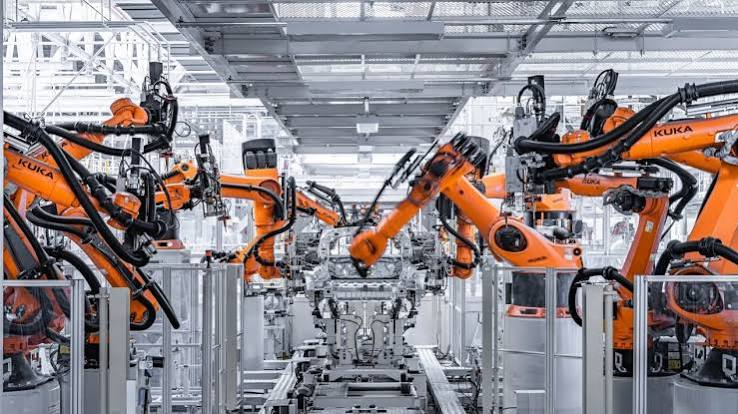
On June 22 2026 the World Economic Forum announced the induction of sixteen manufacturing sites into its Global Lighthouse Network, a move that highlights how AI enabled, energy efficient upgrades are reshaping construction materials and industrial hubs around the world. The new members demonstrate practical ways factories cut emissions, raise productivity and create safer workplaces while producing concrete goods such as cement panels insulation and prefabricated structural elements that will appear in buildings and infrastructure projects.
What the Lighthouse label means on the factory floor
Being named a Lighthouse indicates that a site uses advanced digital tools together with operational changes to achieve measurable gains in output quality resource use and workforce conditions. Visitors to these factories often describe a different sensory experience than a traditional plant: quieter machining cells, dashboards glowing with real time metrics, and workers collaborating with cobots through clear procedures. The label is less about a single technology and more about systems thinking that pairs data driven decision making with changes in management practices.
For construction materials producers the implications are direct. Cement kilns, precast yards and insulation lines are notoriously energy intensive. Lighthouse sites show how targeted interventions reduce thermal energy use, lower waste and improve product consistency which reduces rework at construction sites downstream.
AI meets industrial ecology
At the heart of many Lighthouse upgrades is the use of machine learning algorithms that optimise process parameters and predict maintenance needs. I visited a precast concrete plant that recently joined the network where sensors measured moisture content, mix temperature and curing conditions continuously. Predictive models adjusted curing schedules in real time to secure target strength while reducing energy consumption. The plant manager described the moment the system cut kiln runtime by a tenth and the staff noticed both lower utility bills and fewer defective panels leaving the yard.
Other sites emphasise material science innovations such as low clinker cements, alkali activated binders and recycled aggregate blends that reduce embodied carbon in finished components. When combined with better cutting and batching controls the result is a product line that is both greener and more consistent, which eases quality control pressures at builders sites.
Operational changes that multiply impact
Technology alone does not create lighthouse outcomes. The most successful sites pair automation and analytics with workforce engagement and new operational rhythms. Leaders invest in upskilling shop floor staff and redesign roles so that human expertise complements automated functions. In one upgraded factory operators now conduct guided inspections using augmented reality tablets that overlay maintenance checklists and sensor histories on equipment; the devices help junior technicians learn faster while preserving institutional knowledge.
Lean manufacturing practices combined with digital scheduling reduce inventory and shorten lead times for construction projects. That matters for builders who often face schedule slippage when materials arrive late or out of spec. Lighthouse factories aim to deliver parts that fit first time which reduces site waste, lowers logistical emissions and shortens project timelines.
Supply chain and circularity measures
Several inducted sites have implemented circular material loops that reclaim offcuts, recycle wash water and reincorporate concrete fines back into aggregate streams. One facility has a mobile crushing unit that processes returned elements and reintroduces material into non structural fills. These practices reduce raw material demand and landfill pressure while offering cost savings that improve business cases for sustainable approaches.
Energy efficiency and on site renewables
Energy upgrades at Lighthouse sites range from heat recovery systems and variable speed drives to on site renewables paired with battery storage. For thermal intensive processes such as lime burning and drying lines, waste heat recovery yields significant energy savings. A ceramics plant in Southern Europe now uses recovered kiln heat to pre dry incoming material, cutting fuel consumption and smoothing thermal cycles.
Investments in local renewable generation also reduce exposure to volatile grid prices and can supply cleaner power for electrified processes. Those investments make decarbonisation plans more credible and reduce operational risk during grid stress events.
Economic and labour implications
Upgrading factories raises important questions about employment and regional development. While automation can reduce demand for routine tasks, Lighthouse members report net positive effects when upgrades are paired with reskilling programmes. Workers move into higher value roles such as process oversight data interpretation and quality assurance. In one community that hosted a newly inducted smart plant apprenticeships rose and local vocational centres adapted curricula to include sensor maintenance and basic data analytics skills.
That transition requires planning and social investment. Companies that succeed invest early in local training, offer clear career pathways and involve labour representatives in redesigning work. Those steps help avoid displacement and ensure upgrades benefit communities around facilities.
Construction industry ripple effects
Improved material quality, tighter lead times and lower embodied carbon in factory produced components change how architects and contractors plan projects. Developers told me they are more willing to specify prefabricated panels when suppliers can guarantee consistent tolerances and faster delivery windows. That shift shortens on site labour needs and reduces weather related delays that often drive cost overruns, particularly on large scale housing or infrastructure projects.
Clients also increasingly request environmental performance data for materials. Lighthouse factories that can supply verified life cycle assessments and chain of custody documentation secure preferential procurement treatment from institutional buyers and public works agencies that prioritize low carbon sourcing.
Policy levers and investment challenges
Scaling Lighthouse level upgrades requires policy and finance to align. Governments can accelerate adoption through targeted grants, tax incentives for energy efficiency equipment and procurement rules that reward low embodied carbon products. Multilateral development banks and climate funds play a role by offering concessional finance for capital intensive upgrades in emerging markets where access to cheap finance is limited.
Barriers remain. Small and medium sized manufacturers often lack capital or technical capability to implement complex analytics and process controls. Shared service models, where regional centres provide analytics as a service or offer modular retrofits, have emerged as practical ways to spread cost and expertise across clusters.
What to watch next
Key indicators of broader adoption include the number of factories publishing verified energy and carbon intensity improvements, procurement tenders that specify Lighthouse level criteria, and growth in vocational training programmes aligned to smart manufacturing skills. The Global Lighthouse Network publishes playbooks and case studies that help other sites replicate successful practices and quantify benefits World Economic Forum Global Lighthouse Network.
Human stories within technical change
Beyond efficiency metrics the Lighthouse narrative is human. I spoke with an assembly line technician who, after training, now interprets dashboard alerts and coordinates corrective action with remote engineers. He described the satisfaction of fixing a quality issue before parts shipped, and the gratitude of seeing fewer rejects stacked in the yard. Those small daily victories add up into more stable operations, safer workplaces and stronger local economies.
The induction of sixteen new smart factories underscores a practical path for manufacturing to become cleaner and smarter without sacrificing jobs or output. The challenge ahead is scaling the model so that more industrial hubs can replicate results, and ensuring that benefits such as lower emissions, better product quality and higher skilled employment reach all communities that power global construction and industry.