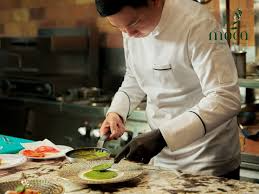
At a candlelit table in Lisbon a plate arrived with a fragile spiral of caramelized onion skin, flecks of dried citrus peel, and a quenelle of bean broth reduced to silk. The server explained that every element began as a discard from local producers and that the flavors were coaxed out through slow extraction and soulful technique. That meal was not an exception. Across Europe and Asia this month Michelin starred kitchens are redesigning fine dining around hyper local, completely zero waste upcycled ingredients to weather strained agricultural supply chains and to reimagine what luxury can taste like.
Why top kitchens are choosing upcycling now
Restaurants that once sourced exotic imports now face shorter harvests, logistical shocks, and steep price volatility. Chefs answered not by retreating to pared back menus but by mining the overlooked parts of local harvests. Upcycled culinary practices reclaim peels, stems, seed coats, whey, spent grains, and the lees from fermentation processes and convert them into broths, powders, fats, and concentrates. The move serves multiple goals: resilient supply chains, reduced food waste, and a creative pressure that yields new flavors and textures.
What zero waste actually looks like on a plate
Zero waste in a fine dining context means designing dishes where every component is edible, compostable, or reintegrated into kitchen production. A lacquered duck might be accompanied by a syrup made from pressed orchard fruit waste, while the duck bones are roasted and turned into an intensely savory glaze. Vegetable stems find new life as a bright potherb paste. Bread crusts become toasted crumbs or are fermented into vinegar. The artistry lies in balancing concentrated umami and freshness so that reclaimed ingredients read as intentional components rather than afterthoughts.
Chef stories and practical innovations
Chefs I spoke with describe the shift as both pragmatic and liberating. One head chef in Copenhagen told me they now work with a network of nearby foragers and small scale processors who supply apple pomace, spent grain from local breweries, and overripe tomatoes. The kitchen converts pomace into a tangy powder for finishing, ferments grain into a nutty paste, and reduces tomato lees into a bright acid for sauces. These techniques demand rigorous food safety practices and new skill sets but they also deepen relationships with nearby producers.
New roles in the kitchen
Zero waste service requires roles that did not exist a decade ago. Some restaurants now employ a resource manager to coordinate incoming streams of byproducts and a preservation specialist who runs dehydration, lacto fermentation, and oil infusions. Culinary schools are adding modules on upcycling methods and microbiology so young cooks can work safely and creatively with reclaimed materials.
Supply chain resilience and local economies
By sourcing hyper locally restaurants reduce exposure to international shipping delays and price surges. That approach creates steady demand for otherwise unsellable produce and supports small farmers and processors. Many chefs forge direct contracts that pay for pickup of byproducts, offering farmers a new revenue stream while lowering waste management costs. In regions where tourism is a major employer these partnerships help keep food dollars circulating locally rather than leaking outward.
Environmental impact and metrics
Restaurants pursuing zero waste are increasingly publishing metrics to show measurable results. Typical indicators include reductions in waste tonnage, kilogram equivalents of primary ingredients saved through upcycling, and lifecycle greenhouse gas estimates for repurposed versus purchased inputs. Independent auditors and environmental NGOs are beginning to adapt frameworks for hospitality so diners can see verified claims rather than aspirational language.
Sourcing, safety, and regulation
Working with reclaimed food demands attention to safety and traceability. Chefs must verify the provenance of byproducts, control contamination risk, and maintain cold chains for sensitive streams. Regulatory frameworks vary by country and can limit what parts of an animal or produce can enter commercial food service. Some restaurateurs work with local health authorities to create controlled pilot programs that demonstrate safe practices and inform updated guidelines.
Consumer acceptance and education
Diners often respond with curiosity and enthusiasm when staff explain provenance and technique. Transparency helps; menus now list not only the source farm but the previous life of an ingredient. Taste remains the final arbiter. When upcycled elements are thoughtfully emulsified, reduced, or fermented they contribute depth rather than evoke scarcity. Storytelling at the table and tasting notes therefore matter as much as the culinary craft.
Economic considerations for fine dining
Zero waste practice does not automatically reduce costs. Labor to process byproducts and investment in preservation equipment carry upfront expense. Yet over seasons many kitchens report improved margins because reclaimed inputs replace costly specialty items. Restaurants also find marketing value in a strong sustainability narrative which can justify premium pricing and attract a clientele that values ethical sourcing.
Scaling and replication
Not every venue has the space or staffing to pilot complex upcycling processes. To broaden access some cities host shared processing hubs where small restaurants drop off byproducts for centralized dehydration, fermentation, or oil extraction. Culinary cooperatives help smaller establishments pool resources and learn best practices. When scaled responsibly these models promise to spread zero waste methods beyond flagship Michelin kitchens to neighborhood bistros and institutional catering.
Creativity born from constraint
Constraint often breeds invention. Tasting menus reoriented around upcycled produce showcase unexpected pairings such as roasted citrus pith with charred leeks or barley koji with preserved fish stock. Such combinations reset diners expectations about decadence and scarcity. The result is a new grammar of luxury where provenance, technique, and circular resource use create status rather than imported rarity.
Further reading and practical guides
For restaurateurs seeking operational guidance organizations like the Food and Agriculture Organization offer practical resources on food loss reduction and value added processing. Research institutions and culinary centers publish case studies on fermentation, preservation, and safe reuse that can help kitchens design compliant systems. The Marine Stewardship Council and select national health agencies also provide guidelines relevant to seafood and animal byproduct reuse.
Would you like a practical checklist for restaurants to begin a zero waste upcycling pilot that covers sourcing agreements, simple processing equipment, and regulatory checkpoints?