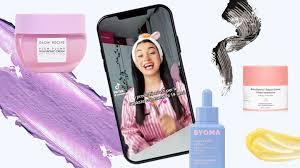
Dermatologists are sounding the alarm over a growing obsession with flawless skin that is taking hold among younger people, a trend now being called “cosmeticorexia.” Driven by social media, endless before and after clips, and highly polished skin care routines, the pattern is pushing many teens and young adults toward overuse of products, anxiety about normal skin texture, and unrealistic expectations about what healthy skin should look like.
A beauty ideal that keeps moving
The pressure begins quietly. A teen sees a creator with glass like skin, then another with a ten step routine, then another insisting that a single serum changed everything. By the time the scroll stops, skin that once seemed normal can suddenly look inadequate. Dermatologists say that is where cosmeticorexia starts to take root: not as a formal diagnosis, but as a compulsive fixation on chasing perfect skin through constant product use, treatment hopping, and fear of appearing unpolished.
What makes the trend especially concerning is its emotional force. Skin is personal. It sits at the center of identity, confidence, and social visibility. When young people begin to believe that pores, redness, acne, or uneven tone are failures rather than ordinary human features, the result is often shame rather than better skin. The language of self care can then become a trap, with every cleanse, peel, or serum framed as a necessity instead of a choice.
Social media and skin pressure
Platforms built around short, repeat viewing are ideally suited to beauty content. Skin care videos are visually satisfying, easy to copy, and often presented as simple routines anyone can follow. But simplicity on screen can hide complexity in real life. Skin responds differently depending on genetics, climate, age, stress, sleep, and medical conditions. A routine that works for one person can irritate another, especially when viewers copy products without guidance.
Experts say viral skin care culture encourages a constant sense of lack. A person may not have thought much about their skin before, but after weeks of exposure to filtering, lighting tricks, and heavily edited content, they may begin to see ordinary texture as a problem to solve. That pressure can lead to overcleansing, excessive exfoliation, expensive treatment cycles, and a cycle of disappointment when perfection never arrives.
For younger viewers, the risk is especially pronounced because adolescence and early adulthood are already periods of intense self evaluation. Skin changes during these years for ordinary biological reasons. Acne, oiliness, dryness, and breakouts are common, yet the internet often presents them as emergencies. That mismatch between reality and online messaging can be deeply unsettling.
What dermatologists are seeing
Dermatologists describe a pattern of patients arriving with damaged skin barriers, irritated complexions, and stacks of products bought in panic. Some have layered too many active ingredients. Others have purchased treatments for problems they do not actually have. Many are chasing the idea that if they just find the right routine, they will finally look camera ready every day.
This is where the concern becomes more than cosmetic. Skin overcare can produce redness, stinging, flaking, breakouts, and persistent sensitivity. In some cases, the damage creates the very issues people were trying to fix. A teenager who starts with mild acne may end up with irritation from repeated scrubs and acids, then feel even more pressure to buy another remedy. The emotional toll can be as real as the physical one.
Health professionals also worry about the effect on self esteem. When someone checks a mirror repeatedly, avoids natural light, or feels panic over a new blemish, the issue may no longer be routine beauty interest. It may be a sign that appearance concerns are taking over daily life. That is why experts want parents, educators, and clinicians to pay attention to the language young people use about their skin.
Warning signs to notice
- Spending a large amount of time each day inspecting skin in mirrors or phone cameras.
- Buying new products repeatedly in response to small imperfections.
- Feeling distressed when a routine is interrupted.
- Avoiding social events because of perceived skin flaws.
Why the trend resonates so strongly
Cosmeticorexia has spread quickly because it sits at the intersection of beauty culture, algorithmic pressure, and emotional vulnerability. Skin care content is often framed as wellness, which makes it more persuasive than traditional advertising. It feels educational. It feels responsible. It feels like a form of discipline. That framing can make it harder for young people to recognize when they are being pulled into compulsive behavior.
There is also a cultural element. The idea of flawless skin has long been tied to attractiveness, professionalism, and self control. Social media intensifies those messages by turning them into daily rituals. A person can wake up feeling fine, then be told in a dozen different ways that their skin needs improvement before they can feel confident, photogenic, or worthy of attention.
The result is a beauty economy built on insecurity. The more impossible the standard, the more products can be sold against it. That does not mean all skin care is harmful. Far from it. Basic cleansing, moisturization, sunscreen, and treatment for real medical conditions are sensible and often necessary. The danger comes when ordinary care becomes obsession.
How families and schools can respond
Parents and caregivers do not need to ban skin care talk to help. They need to create room for perspective. Young people benefit from hearing that pores are normal, that acne is common, and that skin does not need to look airbrushed to be healthy. It also helps when adults model a calm relationship with appearance, rather than turning every blemish into a crisis.
Schools can play a role as well. Health education that includes media literacy gives students tools to question what they see online. A video showing perfect skin may hide lighting, filters, editing, or professional treatment. Teaching that basic fact can reduce the emotional power of unrealistic content. It can also help students understand that skin care is not a moral test.
In medical settings, clinicians can ask about product use, online influences, and emotional distress in a nonjudgmental way. That matters because many young people will not volunteer that they spend hours comparing their skin to influencers. A calm, thoughtful conversation can reveal whether the issue is a straightforward skin problem or something more tied to anxiety and body image.
What healthier skin care looks like
Dermatologists generally stress that good skin care is simple, consistent, and realistic. A gentle cleanser, a moisturizer suited to the skin type, and sunscreen are the foundation for most people. Treatments for acne, eczema, or other conditions should be chosen with medical advice rather than internet urgency. The goal is not perfection. It is comfort, function, and long term skin health.
That message may sound plain, but it is a useful counterweight to the noise online. Healthy skin does not need to glow under every light. It can be textured, flushed, blemished, oily, or dry and still be healthy. That truth is worth repeating, especially for people growing up inside a visual culture that rewards polished surfaces and punishes anything less.
The rise of cosmeticorexia should prompt a wider cultural pause. When young people begin to fear their own skin, the problem is bigger than one trend. It points to a media environment that profits from dissatisfaction and a generation learning to measure worth in close up images. The most helpful response is not more product, but more honesty: skin is human, not a performance.