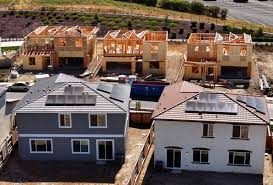
The National Association of Home Builders Wells Fargo Housing Market Index rose three points on May 18 a modest but meaningful uptick that reflects cautious optimism among homebuilders as Congress debates a fresh set of housing reforms aimed at easing supply constraints. For many builders the signal was less about immediate sales and more about potential policy clarity that could unlock projects stuck in permitting limbo and relieve cost pressures that have slowed construction for years.
What the index move means
The NAHB Wells Fargo index is a forward looking gauge composed of builder sentiment on current sales expected sales over the next six months and buyer traffic. A three point increase suggests incremental improvement in attitudes rather than a dramatic turnaround. Builders told us the rise felt tangible in conversations about planned lot acquisitions and cautious staffing increases, but that concrete changes will depend on the content of any congressional measures and on whether those measures survive the legislative process intact.
Details of the proposed congressional reforms
The draft package circulating in congressional committees focuses on several areas that builders have long cited as bottlenecks. Proposals include incentives for municipal streamlined permitting pilot programs, targeted tax credits for infill and brownfield redevelopment, conditional grants for local infrastructure like sewer and water hookups, and federal support for workforce training programs in construction trades. Lawmakers also discussed pilot programs for state level land use reforms that encourage accessory dwelling units and higher density near transit hubs.
Advocates argue these measures could reduce development timelines and lower costs by addressing predictable delays and financing gaps. Opponents raise concerns about local control and environmental impacts, and many lawmakers emphasized that federal incentives would need careful guard rails to ensure funds reach communities most in need.
Voices from builders and small developers
On a construction site outside Charlotte the air smelled of fresh cut pine and wet concrete as a small developer set forms for a row of townhomes. The developer said he had three stalled projects in recent years primarily due to permit backlogs and rising site development costs. News of possible federal support for infrastructure hook ups felt like a lifeline because many small builders cannot afford long wait times while carrying debt. He described the index uptick as hopeful but warned that lenders will want to see policy commitments before loosening credit.
Smaller firms and regional builders emphasized workforce shortages as a parallel constraint. Even with policy changes that smooth permitting and infrastructure, many projects will remain unbuilt without more carpenters plumbers and electricians. Builders pointed to workforce training incentives in the package as a critical piece that could have rapid local impact if paired with apprenticeship funding and partnerships with community colleges.
Localities and the permitting bottleneck
Permitting delays were a consistent theme in interviews. Municipal planning offices in many fast growing regions operate understaffed and underfunded leaving developers waiting months for approvals. The proposed pilot program offering federal matching funds to hire plan reviewers or to digitize permitting systems has bipartisan appeal in some quarters because it promises measurable reductions in approval times while preserving local land use decision authority.
Evidence from jurisdictions that have invested in online permitting suggests faster timelines and fewer resubmissions, which lowers carrying costs for builders and can reduce price pressure on finished homes. Critics caution that digitization must be paired with capacity building to avoid creating new disparities between well resourced and under resourced municipalities.
Financial markets and lender reaction
Mortgage markets and construction lenders watched the index rise with interest. Banks noted the increase as an indicator of potential future loan demand but emphasized that credit decisions require more than sentiment. Lenders flagged the need for solid pro forma underwriting including realistic construction cost curves and patience for the phased nature of any policy rollout. Some regional banks said they might pilot lending programs tied to projects that qualify for proposed federal infrastructure grants which could accelerate starts if enacted.
Homebuyers and affordability stakes
For prospective buyers the stakes are practical and urgent. The shortage of new single family homes and workforce housing has pushed prices up in many metros and forced longer commutes for workers priced out of city centers. Builders said that streamlined permitting and incentives for infill development could increase the supply of moderate priced homes within a few years, but that immediate relief for affordability will likely require a combination of policy levers including zoning changes at the local level and state supported financing mechanisms.
Affordable housing advocates welcomed the attention to supply but urged more direct subsidies for lower income households. They argued that supply side measures will help over time but do not replace rental assistance or targeted homebuyer programs needed to keep communities mixed income while construction catches up to demand.
Political dynamics and hurdles ahead
The reform package faces familiar political hurdles. Local control advocates resisted federally steered zoning incentives while environmental groups pressed for strong safeguards to protect sensitive lands and ensure climate resilient development. Some lawmakers also insisted on bipartisan fiscal offsets which could complicate the final bill and extend negotiations. The path forward will likely involve compromise measures and phased pilot programs designed to demonstrate impact before larger scale rollouts.
Capitol Hill sources told us lawmakers are framing the package as a targeted set of tools rather than a one size fits all mandate. That approach may broaden support but also risks producing uneven results depending on state and local uptake.
Metrics to watch next
Investors and industry observers will watch several indicators in the coming months. Key metrics include building permit issuance trends housing starts and completions and variations in the NAHB Wells Fargo index across regions. Implementation markers such as the number of municipalities applying for pilot permitting grants and early awards for infrastructure hook ups will provide early evidence that federal incentives are working. Employment trends in construction trades and apprenticeship enrollments will also signal whether workforce provisions are moving the needle.
Human impact and a cautious optimism
The overall mood among builders is cautiously optimistic. The three point uptick in the index conveyed a shift from resignation to conditional hope, a sense that policy could finally address slogging structural problems rather than merely provide rhetorical support. For many builders and for prospective homeowners that conditional hope is significant because it signals the potential for policy to align with market realities and community needs.
Whether this optimism hardens into measurable increases in starts and completions will depend on the legislative process and on timely implementation at the local level. For now the small gain in confidence reflects a belief that solutions are being shaped and that, for communities waiting for housing, work may finally move from planning tables to building sites.
Further reading and data sources
For detailed historical data and methodology on the index consult the NAHB website and Wells Fargo economic research which provide monthly reports and regional breakdowns. Federal housing statistics and construction employment data from the U S Census Bureau and the Bureau of Labor Statistics will be useful to track starts completions and workforce trends as reforms progress.
Would you like a regional breakdown of how the index changed across major metro areas or a close look at the permitting pilot program design and how it might be implemented in your state?