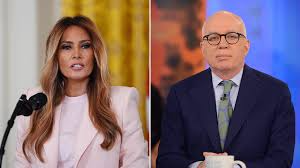
A U.S. federal judge dismissed the defamation lawsuit filed by author Michael Wolff against former First Lady Melania Trump on May 23 2026, bringing a high profile legal fight to an abrupt legal close. I followed courtroom filings and media coverage as the matter moved through procedural stages, and I write with attention to the legal reasoning and the human stakes that framed this dispute.
How the case began and what it alleged
Michael Wolff, an author known for reporting on political power and media, brought a suit alleging that statements published about him and his conduct in a book and related publicity materials defamed him. The complaint named Melania Trump and other parties and sought damages while arguing that those statements harmed his reputation and career. The litigation generated intense media attention because of the parties public profiles and because it raised questions about the limits of commentary and the line between fact and opinion.
The judge ruling and legal grounds for dismissal
The presiding judge concluded that Wolff failed to state a viable claim under controlling defamation standards. The court focused on elements that plaintiffs must plead with specificity: a false factual assertion presented as fact, publication to a third party, fault by the defendant in making the statement, and actual or presumed damages. In dismissing the case the judge found either that the challenged passages were nonactionable opinion or rhetorical hyperbole commonly protected by the First Amendment, or that they lacked sufficient factual falsity tied to demonstrable harm.
The opinion emphasizes precedent that robust public debate often includes sharp characterization of public figures and that constitutional protections constrain courts from serving as arbiters of disputed characterizations when those statements are rhetorical or subjective. The dismissal was without a detailed factual determination on the truth of the underlying matters which leaves factual disputes unresolved in public view while closing the legal remedy Wolff sought.
Immediate reactions from both sides
Representatives for Melania Trump welcomed the ruling and framed it as a vindication of free speech principles and an affirmation that rhetoric about public figures often falls within constitutional protections. Counsel for Wolff said they were reviewing the opinion and assessing options, including possible amendment of the complaint or an appeal, although the path forward depends on whether the court allows any repleading and on jurisdictional posture for appellate review.
Legal observers noted that dismissal at the pleading stage is common in defamation suits involving public figures because courts require clear pleading of falsity and fault. The tone inside legal commentaries ranged from seeing the ruling as a straightforward application of established law to viewing it as a reminder that courtroom remedies for reputational harms are limited when speech skirts the border between fact and opinion.
Broader legal implications
The case highlights enduring tensions in defamation law: how to protect reputation while preserving vigorous public discourse. Courts balance competing interests by applying heightened standards for public figure plaintiffs who must plead actual malice or equivalent fault in some circumstances. That standard requires showing that a defendant knew a statement was false or acted with reckless disregard for its truth.
This dismissal reinforces procedural hurdles for plaintiffs who seek damages for allegedly defamatory commentary about public figures, particularly where the contested content appears in books, opinion pieces or promotional materials that contain subjective assessments. The ruling may serve as a reference point for future suits that test the boundaries of opinion, factual assertion and responsible reporting.
Media, authorship and the market for controversial narratives
Books about prominent political figures often mix reporting with commentary which can create legal friction. Publishers and authors operate in a marketplace that prizes attention and provocative claims for commercial reasons. That dynamic raises questions about editorial standards, fact checking and the ethics of sensationalism. For authors such as Wolff the commercial value of controversy can be double edged: it drives exposure yet invites legal and reputational risk when subjects push back.
Publishers routinely rely on libel insurance, editorial review and legal counsel to manage that tradeoff, and observers say this dismissal will not diminish publishers appetite for contentious political narratives but will reinforce caution in how factual assertions are presented and corroborated.
Public reaction and reputational fallout
Public reaction split along familiar lines. Supporters of Wolff framed the dismissal as a procedural hurdle rather than a judgment on merit, suggesting the public will decide reputational questions through debate and scrutiny. Supporters of Melania Trump hailed the ruling as affirmation that critical commentary cannot be turned into liability through litigation absent clear falsity and malice.
For both parties the dispute played out in the media and social platforms where impressions often matter more than legal findings. The dismissal ends civil remedies in this court but does not erase public narratives that developed while the litigation was pending.
Possible next steps and legal avenues
Wolff legal team may seek leave to amend the complaint if the court indicated a potential to cure pleading defects. If an amended complaint is allowed, it would need to include more specific factual allegations showing falsity and fault. Alternatively Wolff could appeal the dismissal to a higher court if appellate review is available and if the legal questions posed are suitable for interlocutory treatment.
For Melania Trump the ruling reduces immediate legal exposure. For publishers and journalists the decision underscores the value of careful sourcing and clear labeling of opinion versus asserted fact to reduce litigation risk and maintain credibility.
Reflection on law and public life
This case underscores how legal processes and public reputations intersect in complex ways. Courts serve as one forum for resolving disputes about speech but they apply constitutional limits designed to protect public debate. The dismissal closes one chapter in a widely followed media episode but leaves broader conversations about accountability, accuracy and the marketplace of ideas open in public discourse.
Readers interested in the legal standards applied in defamation cases can consult authoritative resources that explain the constitutional principles and case law shaping these outcomes.
Supreme Court opinions on defamation law and Cornell Legal Information Institute provide accessible materials that outline precedent and the legal tests courts apply when evaluating claims involving public figures and controversial speech.