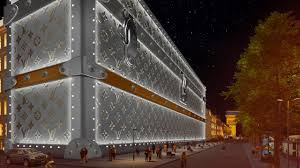
On May 31 2026 LVMH took another decisive step into luxury experiential hospitality with previews of its forthcoming Louis Vuitton hotel in Paris. The event felt less like a product launch and more like a cultural statement. We walked through rooms that read like living galleries heard the hush of bespoke service and sensed a corporate strategy that ties fashion heritage to commercial entertainment and lifestyle offerings.
What LVMH revealed and why it matters
The previews offered a curated glimpse of guest suites public salons dining spaces and immersive brand activations that will anchor the hotel when it opens. Materials were tactile linens velvets and marbles chosen for both longevity and sensory impact. Artworks placed in corridors connect to Louis Vuitton history while contemporary commissions signal a dialogue with current creators. We observed staff rehearsing precise yet warm service routines that blend haute hospitality with retail instincts.
This move matters for two reasons. First it signals how luxury conglomerates are shifting from product sales toward time based experiences that deepen brand loyalty. Second it reinforces Paris as a global stage where fashion houses convert cultural capital into hospitality revenue and entertainment programming. For consumers the hotel promises an intensified form of brand immersion. For industry observers it underscores a strategic pivot toward integrated lifestyle ecosystems.
Design language that reads like haute couture
The hotel’s interiors translate Louis Vuitton aesthetics into spatial form. Patterned wallpapers echo monogram motifs without literal replication. Furniture profiles suggest runway silhouettes captured in wood and metal. Lighting design sculpts spaces to feel both intimate and cinematic so that evening arrivals become deliberate social performances. In one suite we walked into a room where the scent of cedar and warm amber seemed orchestrated to evoke travel and history.
The sensory layering extends to gastronomy. Dining areas will feature menus curated by notable chefs and pastry artisans whose creations match the brand’s visual storytelling. Live music programming and curated exhibitions aim to keep public spaces active long after check in and create revenue streams beyond room nights.
Entertainment and commerce intertwined
LVMH is positioning the hotel as more than accommodation. Preview programming hinted at ticketed events runway presentations private viewings and brand led cultural programming open to both guests and Parisians. That blending of entertainment commerce and hospitality creates a commercial loop where spectacles drive retail interest and vice versa. For city planners and cultural institutions this raises questions about access cultural commons and the role of private brands in public life.
Market strategy and revenue logic
Hospitality offers brands recurring revenue and direct consumer contact that complements luxury goods. Hotels generate steady cash flows and create contexts where high margin services and exclusive retail can flourish. LVMH’s broader strategy includes hospitality projects across major cities which collectively diversify earnings and reduce reliance on cyclical merchandise sales. The company’s annual reports and investor presentations have flagged experiential business lines as a growth axis and the Louis Vuitton hotel is a flagship example.
Investors will watch occupancy metrics average daily rates and ancillary revenue from retail and events. For competitors the move pressures other houses to build comparable environments that serve both brand narrative and bottom line.
City impact and cultural conversation
The hotel’s presence in Paris will affect local neighborhoods. High end hospitality can bring jobs hospitality training and foot traffic that benefits nearby restaurants and galleries. Yet it can also accelerate commercial rents and shift the character of streets that historically blended multiple social strata. We heard local residents describe a mix of pride and caution. Pride in global recognition and job prospects caution about long term displacement and the narrowing of public spaces.
Municipal authorities will need to balance tourism revenue with urban livability. Cultural programming that opens parts of the hotel to public exhibitions and community partnerships could mitigate exclusionary effects and anchor the property as a civic asset rather than a closed luxury enclave.
Regulation and heritage considerations
Parisian heritage rules and planning frameworks shape what brands can do with historic properties. The Louis Vuitton project navigated approvals for facade treatments and public access. Conservators and urbanists will monitor how the hotel integrates with historic fabric while meeting modern standards for accessibility sustainability and safety.
Consumer response and cultural critics
Early reactions span enthusiasm and critique. Loyal customers and fashion insiders praised the coherent aesthetic and the idea of an immersive brand sanctuary. Critics raised concerns about cultural privatization and the increasing role of private capital in curatorial decisions. We spoke with a cultural sociologist who noted that while branded institutions can accelerate funding for art commissions they may also centralize control over what is displayed and who benefits from cultural tourism.
How LVMH navigates these tensions will shape broader debates about the privatization of culture and the responsibilities of global brands operating in civic spaces.
What success will look like for LVMH
Success will not be measured only by occupancy rates. It will show in sustained foot traffic to public events cross selling between hotel and retail divisions favorable press coverage and the ability to host cultural programming that resonates beyond high net worth guests. Equally important will be tangible local commitments such as employment pathways for nearby residents community partnerships and transparent cultural collaborations that include independent curators and public institutions.
Wider implications for luxury hospitality
LVMH’s preview crystallizes a trend where fashion houses build multi sensorial environments to extend brand relationships. Other luxury groups are following with their own hotels restaurants and entertainment venues. For consumers this means more choices for immersive stays. For cities this raises policy questions about zoning cultural stewardship and equitable access to newly created cultural venues.
Readers curious about the financial mechanics of experiential business models can review recent analysis from the International Luxury Association which examines hospitality as a revenue stream and strategic asset for luxury brands.
Final reflection
The Louis Vuitton hotel previews in Paris represent a precise gamble on the future of luxury consumption. We experienced a place that reads as both private theatre and public stage. The project promises jobs cultural commissions and an evolved guest experience while prompting civic questions about access and heritage. For LVMH the challenge will be to keep the property generative for a broad public without diluting the exclusivity that defines its brand. That balance will determine whether the hotel becomes a Parisian landmark or a gilded island for a select clientele.