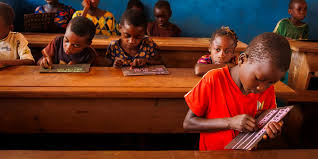
On June 10, 2026 delegates gathered in Geneva moved the Global Partnership for Education and partner governments closer to a Rome summit aimed at raising 5 billion dollars to overhaul learning for some 750 million children worldwide. The initiative, driven by GPE together with Italy and Nigeria, frames an urgent financing and policy agenda that seeks not only to reopen classrooms but to rebuild school systems so children can learn with dignity and relevance. For educators parents and policymakers the plan confronts a simple but stark question: how to turn promise into measurable learning for the most disadvantaged young people on the planet.
What the Geneva discussions achieved
The Geneva meetings concentrated on practical architecture for the Rome summit including funding windows governance arrangements and measurable targets. Officials said the goal is to marshal a blend of public grants concessional finance and private contributions that will be channelled through GPE and national education plans. Discussions addressed ensuring funds reach learners in fragile contexts and low income countries where schooling has been disrupted for years and where progress in learning outcomes has lagged behind enrollment gains.
Delegates also debated safeguards to protect aid flows from political volatility and mechanisms to hold governments and partners accountable for learning outcomes and equity. Those conversations reflect a hard lesson from past efforts where money alone did not close learning gaps until stronger systems for teacher training curriculum and data were in place.
Why the 5 billion dollar target matters
Five billion dollars is not a cure all for global education shortfalls but it is a catalytic target. GPE leaders argue that when combined with domestic education budgets and financing from multilateral development banks the pledge can unlock broader fiscal space and targeted investments in the next three years. That time frame matters because many children affected by crises require accelerated remediation and sustained support to prevent long term learning loss.
Analysts at international development institutions have shown that timely targeted financing can yield outsized returns when directed to foundational reading and numeracy teacher support and school infrastructure that ensures safety and continuity. The Rome summit intends to prioritize such high impact areas and to link results to transparent monitoring frameworks.
Voices from countries on the front lines
Educators and parents from countries with the largest needs described classrooms marked by shortages of trained teachers overcrowded rooms and damaged buildings. One headteacher from a conflict affected region spoke of the sound of footsteps as children returned after months away and of the small rituals teachers used to coax learning back into daily life through songs stories and local examples. Those sensory moments underscored what negotiators in Geneva sought to protect with new financing: not just school access but the routines that make learning possible.
Representatives from Nigeria stressed that domestic resource mobilization must accompany external support. That viewpoint was echoed by several low income countries that said donor funds are most effective when they support national education sector plans and strengthen local systems rather than creating parallel projects that end when external funding stops.
How funds could be spent for greatest effect
Experts at the Geneva sessions urged directing funds toward a small set of evidence based priorities. These include expanding early grade reading programs training and mentoring teachers investing in safe school infrastructure and learning materials and scaling targeted interventions for out of school children especially girls children with disabilities and those in displacement. Strengthening assessment systems to measure learning and using data to guide classroom practice received particular emphasis because measurable results will determine whether the Rome summit funds produce durable gains.
Another area highlighted was aligning financing with workforce planning. Countries need predictable funds to recruit and retain teachers and to provide continuous professional development that is relevant to local curricula and languages of instruction.
What role Italy and Nigeria play
Italy is hosting the Rome summit on the premise that momentum and high level political visibility will draw governments private donors and foundations. Italian officials framed the meeting as a call for solidarity while emphasizing coordination among European donors. Nigeria brought a contrasting but complementary voice representing countries with large school age populations and pressing needs. Nigeria’s engagement matters symbolically and practically because it highlights how investments must be tailored to diverse contexts from urban slums to rural and conflict affected settings.
Risks and critiques to watch
Critics cautioned against overreliance on headline funding targets while underinvesting in implementation capacity. Past rounds of global education pledges have sometimes produced ambitious commitments with uneven follow through at the country level. Scholars also warned that the design of funding windows should avoid perpetuating inequities such as privileging projects in stable middle income countries over fragile states where the cost per child to achieve learning gains may be higher.
Transparency advocates urged that any new financing mechanisms include independent oversight and open data on how funds are allocated and what results they produce. That call for accountability reflects a wider demand from civil society and teachers unions for a seat at the table as decisions are made.
How success will be measured
GPE and its partners proposed measurable indicators that link finance to learning outcomes and equity. Those indicators include the number of children receiving remedial or catch up instruction improvements in foundational literacy and numeracy scores and progress in gender parity and inclusion of children with disabilities. Donors also emphasized timelines for disbursal and measurable milestones at national and subnational levels so progress can be tracked before the next global review point.
Robust monitoring will require investment in low cost assessment tools and data systems that can operate in low resource environments. Several pilot programs in recent years have demonstrated that rapid assessments administered by teachers can give useful signals to guide remediation at classroom scale.
Where to get more information
Readers seeking background on global education financing and GPE activities can consult the Global Partnership for Education website and analysis by the World Bank for context on education sector financing trends. Those resources provide deeper detail on how international financing can be structured to support national plans and how lessons from past initiatives inform the design of new funding windows.
The Rome summit will be a test of political will fiscal ingenuity and practical problem solving as governments foundations and private actors attempt to direct resources where they matter most. If the Geneva discussions are any guide then the summit will not only be a call for money but a conversation about how to measure learning protect the most vulnerable and ensure that every dollar reaches a classroom where it can make a tangible difference for a child.
Would you like a briefing note focused on how this initiative could affect education budgets in West Africa or a short guide for local education groups to prepare for engagement at the Rome summit