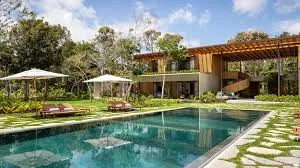
On June 15, 2026, Sotheby’s Mid Year Luxury Outlook signaled a market shift that reads like a lifestyle manifesto more than a simple investment trend. High net worth millennials are steering capital toward properties designed for long term health, social resilience, and ecological balance. That preference is reshaping luxury real estate across coastal enclaves, suburban strongholds, and urban retrofit projects as buyers seek homes and communities that support longer, healthier lives.
What the Sotheby’s report revealed and why it matters
The Sotheby’s 2026 Mid Year Luxury Outlook documents a pronounced inclination among affluent buyers born between 1981 and 1996 for residences with intentional wellness architecture and integrated ecosystem services. These buyers are not merely purchasing square footage. They are buying built environments that promise lower chronic stress, improved air and water quality, opportunities for movement and social connection, and access to nature. That shift matters because it redefines value beyond location and finish level, adding measurable health and community outcomes to the appraisal equation.
From amenity lists to lifespan investments
Traditionally, luxury real estate marketing emphasized views, finishes, and concierge service. The current millennial cohort equates value with features that reduce future healthcare costs, support mental resilience, and create intergenerational stability. Developers are responding by offering architecture that maximizes daylight, ventilation systems with advanced filtration and humidity control, circadian lighting, indoor air quality monitoring, on site preventive healthcare clinics, and communal gardens designed for socialization and nutrient dense food production. These elements are sold not as amenities but as long term assurances.
Design principles shaping longevity focused projects
Several design principles are recurring across projects targeting longevity conscious buyers. They reveal a holistic approach that blends physiology with urban planning and community building.
- Biophilic integration that brings nature into living spaces through indoor gardens, rooftop forests, and sightlines to protected green corridors.
- Movement centric planning that prioritizes stairs, walkable streets, mixed use retail, and accessible exercise facilities so daily life incorporates physical activity.
- Environmental health systems with real time air and water monitoring, low VOC materials, and enhanced filtration standards.
- Flexible housing units that support aging in place with wider doorways, step free thresholds, and modular spaces adaptable to changing health needs.
- Community first amenities including shared kitchens, intergenerational care hubs, and programming that reduces social isolation.
Market dynamics and investment logic
Millennial investors driving this trend apply a different calculus. Their decision horizon often extends to multi decade household planning and potential multigenerational ownership. That longer time frame aligns with longevity focused features that yield compounding benefits. Healthier environments can lower absenteeism for remote workers, reduce maintenance and retrofit costs later, and preserve asset desirability as regulatory standards tighten around energy and indoor environmental quality. Lenders and insurers are beginning to account for some of these factors, which further strengthens the investment case.
Price premiums and resale resilience
Early market data show properties marketed on health and ecosystem performance achieving price premiums compared with similar listings that emphasize traditional luxury attributes. Buyers are willing to pay for verified outcomes such as third party indoor air quality certifications and documented building wide wellness programming. This preference also supports resale resilience because the pool of interested buyers broadens to include health oriented retirees and intergenerational families seeking durable living situations.
Where longevity real estate is appearing first
Developers are deploying longevity driven projects across several geographies and scales. Notable patterns include conversions of mid century office towers into mixed use wellness communities in dense cities, master planned suburbs integrating medical and social infrastructure, and coastal estates where flood resilience and salt tolerant landscaping are paired with restorative design. Small scale retrofit projects are equally important because they allow older neighborhoods to capture longevity benefits without wholesale displacement.
Case examples shaping the model
A New York retrofit saw an office tower re imagined into homes with operable windows, rooftop gardens, and a tenant clinic offering preventive screenings. A Southern California development integrated drought resilient landscaping, neighborhood orchards, and an on site nutritionist who collaborates with local healthcare providers. Each project ties physical improvements to measurable health indicators and community programming that sustain value over time.
Policy and infrastructure implications
If longevity driven real estate grows beyond the luxury sector, planners and policymakers must adjust zoning, financing, and public health strategies. Zoning that allows mixed use community clinics, incentives for green infrastructure, and building codes recognizing indoor environmental quality would accelerate adoption. Public private partnerships can underwrite community scale retrofits that reduce health disparities by bringing preventive services into underserved neighborhoods. Such policy moves would shift longevity benefits from exclusive enclaves toward broader population gains.
Risks, equity concerns, and potential unintended effects
The rise of longevity focused investments raises equity questions. If high quality, health promoting housing remains available only to affluent buyers then health disparities could deepen. There is also a risk of greenwashing where marketing substitutes vague claims for verified outcomes. Third party certification and transparent outcome measurement are critical to prevent opportunistic practices. Lastly, concentration of longevity assets in certain neighborhoods could drive displacement unless paired with affordable housing commitments.
How buyers, developers, and cities can act now
Practical steps exist for different stakeholders who want to participate responsibly in this market. Buyers should require verifiable performance metrics including air quality data, energy use intensity reporting, and detailed maintenance plans. Developers should incorporate participatory design, third party health oriented certification, and long term service partnerships with healthcare providers. Cities should pilot ordinances that promote mixed use community care hubs and fund demonstration projects in diverse neighborhoods.
Resources for further reading
For deeper context on building standards and certification that intersect with this trend consult the International WELL Building Institute and research published by leading public health institutions. The World Health Organization also offers guidance on healthy urban planning that aligns with many longevity design principles. Additional market analysis and longer term performance data appear in industry reports such as the full Sotheby’s Mid Year Luxury Outlook, which outlines buyer preferences and investment implications in greater detail.
Conclusion
The Sotheby’s finding on millennial preferences is more than a market signal. It maps how a generation that values longevity, preventive health, and community is reshaping what luxury means. When capital flows toward homes and neighborhoods that sustain longer, healthier lives it forces a rethinking of design, policy, and value. The challenge now is to ensure those benefits spread equitably so that longevity driven real estate becomes a lever for broader public health gains rather than a new marker of privilege.
Would you like a shorter explainer aimed at potential investors, or a deeper look at certification and measurement methods used by developers