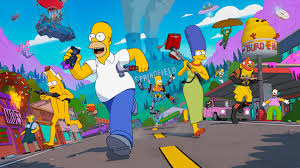
At Unreal Fest on June 17, 2026, Disney Digital Entertainment and Epic Games announced that The Simpsons has been admitted into the Fortnite IP Partner Program, enabling creators worldwide to use iconic characters, locations, and assets to build customized game worlds. We traced the announcement, spoke with creators and licensors, and considered what opening a long running cultural property to mass creativity means for fans, developers, and the guardians of legacy franchises.
What the partnership allows creators to do
The IP Partner Program provides vetted developers access to licensed Simpsons assets and character models for use inside Fortnite Creative and Unreal Engine projects that are distributed under approved terms. Creators can reconstruct Springfield locales such as the power plant, Moe s Tavern, and Springfield Elementary, stage narrative experiences that feature Simpsons personalities, and design interactive events that blend game mechanics with the show s humor. The program includes technical support, asset packs optimized for performance in Fortnite environments, and clear rules about brand representation to protect character integrity.
Developer experience and tooling
Epic will supply templates, lighting presets, and animation rigs that preserve the show s stylized look while running efficiently on consoles and mobile devices. Disney Digital Entertainment will provide brand guidelines, voice licensing paths for official dialog use, and a review process for published experiences. Creators told us the streamlined onboarding, combined with robust documentation, shortens the time from concept to playable world and encourages experimentation at scale.
Why this matters for culture and fandom
The Simpsons is a global cultural touchstone with more than three decades of episodes that are dense with character nuance, setting based jokes, and social commentary. Allowing fans and professional creators to remake and remix Springfield inside Fortnite invites a new interactive layer of fan expression that moves beyond passive viewing. Players can inhabit a fantasy where they sit at the Simpsons kitchen table, perform a Duff beer run, or solve mysteries with Lisa in a collaborative multiplayer event that mirrors episodic storytelling.
Preserving tone and canon
Disney and Epic face the challenge of enabling creative freedom without diluting the show s voice. Their approach balances openness with brand stewardship. Assets are provided with usage constraints that forbid certain exploitative or defamatory content and require respectful treatment of legacy characters. Creators we spoke with appreciated the clarity because it reduced legal ambiguity while still allowing playful, inventive interpretations that resonate with fans.
Economic and creative opportunities for makers
Joining the program opens revenue possibilities for creators through supported monetization models, curated storefront placement within Fortnite, and promotional features that highlight standout worlds. Small teams and individual creators can gain visibility by building high quality experiences that attract players and community engagement. The partnership could also foster professional pipelines where modders and independent studios parlay successful Simpsons projects into paid gigs working on larger licensed properties.
Monetization rules and community remuneration
Epic and Disney established revenue share frameworks tied to in app purchases, event ticketing, and cosmetic sales while ensuring that creators who use the licensed IP comply with consumer protection rules. The program includes mechanisms for dispute resolution and guidelines for transparent disclosure when experiences include paid elements. Community builders emphasized the value of a predictable framework so they can plan sustainable creative work rather than episodic hobby projects.
Creative freedom versus content stewardship
Opening a legacy IP to mass creation raises ethical and reputational questions. Fan creators often want to tackle mature themes or satirical angles that echo the show s original social critique. Disney and Epic must decide how much latitude to permit while protecting the brand from misuse. Their moderation strategy combines automated filters with human review panels and an appeals process that includes community representation to adjudicate contested creative choices.
Examples of permissible and restricted content
Permissible uses include comedic reinterpretations, alternate timeline stories, and family friendly satire that mirrors the show s spirit. Restricted content includes explicit material, targeted political harassment, and content that misrepresents official continuity if it causes brand confusion. Creators praised the program s pragmatic stance which aims to preserve creative energy while setting boundaries that maintain public trust.
Implications for IP licensing and game culture
This move signals a shift in how major media companies think about licensing. Rather than tightly controlling every derivative work, studios are exploring moderated openness that harnesses the creative energy of global communities. For the game industry this model blurs lines between traditional licensed titles and user generated content, offering a hybrid path that leverages platform scale while distributing creative authorship across a broad base of makers.
Potential ripple effects for other franchises
If the Simpsons initiative succeeds, other legacy franchises may follow, offering licensed assets to creator communities under structured programs. That would expand the catalog of interactive fan worlds and create richer virtual ecosystems that connect media brands with engaged audiences. Scholars and industry observers will watch metrics such as engagement time, revenue shares to creators, and the diversity of experiences produced to evaluate the model s long term viability.
Voices from the creator community
Independent builders described the announcement as electrifying. One level designer told us she imagined staging a mystery scavenger hunt that weaves episode references into environmental puzzles, while a comedic writer planned an episodic social hub featuring scripted performances by impersonators and community actors. Many creators emphasized how licensing access removes legal friction that previously kept ambitious fan projects in dormancy or risk of takedown.
Community moderation and collaboration
To support healthy ecosystems Epic will surface curated collections and host creator showcases where top experiences are spotlighted. Community moderation tools allow players to flag content and creators to iterate away from problematic elements. Cross collaboration features will let multiple creators co create shared Springfield spaces, combining talents in level design, scripting, and performance to produce richer interactive narratives.
Practical steps for prospective builders
Developers interested in joining should register through Epic s IP Partner Program portal, review Disney s brand guidelines, and download the Simpsons asset packs provided for Unreal Engine and Fortnite Creative. Early applicants are encouraged to prototype small experiences and use community feedback loops before scaling. Epic will offer workshops and mentorship sessions that help creators navigate animation rigs, voice licensing, and multiplayer optimization.
Where to find official resources
Creators can find program details, application criteria, and asset documentation on Epic Games developer pages and the Fortnite Creative website. For official brand guidelines and voice licensing inquiries consult Disney Digital Entertainment channels that manage intellectual property usage and approvals.
Opening Springfield to the world marks an experiment in collaborative storytelling at scale. If executed with sensitivity to canon and with robust community supports, the partnership between Disney and Epic could create moments where players do not just watch The Simpsons but actively live inside it, remaking familiar jokes and inventing new ones that reflect how the show continues to belong to generations of fans.