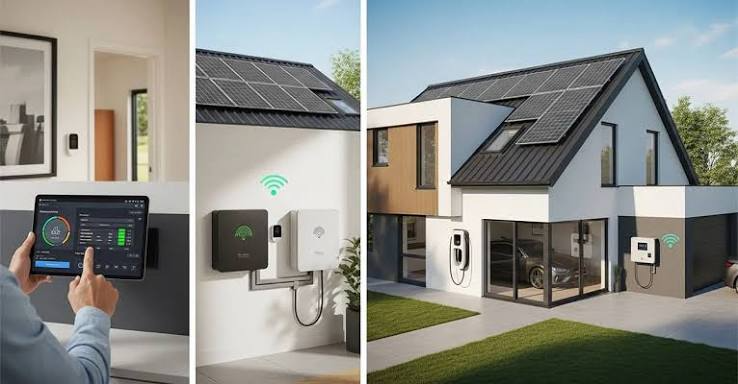
On July 1, 2026 a wave of residential infrastructure rules took effect in multiple jurisdictions requiring smart grid integrations for newly modernized housing and many retrofit projects. The standards set technical criteria for home energy management, meter interoperability, and demand response readiness and are poised to reshape how millions of households use electricity, charge vehicles, and interact with utilities.
What the new standards require
The guidelines mandate that homes undergoing significant renovations or receiving new electrical service be equipped with components that allow two way communication with distribution networks. Required features include smart meters with standardized communications protocols, circuit level monitoring or sub metering for high draw appliances, and a local energy controller capable of executing utility signals for load shifting. Rules also specify minimum cybersecurity controls and data privacy safeguards so that consumer information is protected while enabling grid functions.
For new single family homes and larger multi unit projects jurisdictions set baseline performance metrics for energy visibility and controllability. Where retrofits are targeted the standard prescribes staged compliance options so that homeowners can phase upgrades while still meeting long term interoperability goals.
Why regulators acted now
Policymakers point to growing demand for electric vehicles rising electrification of heating and the need to integrate distributed energy resources such as rooftop solar and home batteries. Grid operators have increasingly signaled that unmanaged loads at peak times threaten reliability and that smarter demand management is a lower cost alternative to building new bulk generation. The standards aim to reduce peak demand by enabling utilities to coordinate flexible home loads, preserve local network capacity, and accommodate more renewable supply.
Officials also framed the measures as a public good that reduces outage risk, improves resilience during extreme weather, and lowers long term consumer energy costs through optimized charging and time shifted usage.
How this affects homeowners and renters
Homeowners planning renovations that trigger the rules will now need to budget for smart metering devices home energy controllers and possibly rewiring to support submetering. Many jurisdictions include financial assistance or low interest loans to offset upfront costs and avoid disproportionate burdens on lower income households. Renters may see building owners start rollouts in multi unit dwellings where common systems can serve many residents; tenant protections require that private data remains confidential and that utilities do not unduly restrict individual appliance usage.
For households with rooftop solar or existing batteries the standards create clearer rules for interconnection and data exchange which can facilitate participation in compensation programs for exported energy. That clarity may increase the value proposition of distributed generation for some owners.
Industry readiness and supply chain impacts
Manufacturers of smart meters controllers and sensors reported surging orders as utilities and construction firms accelerated procurement. The demand for certified interoperable devices has highlighted bottlenecks in testing labs and pushed suppliers to expand capacity. Electrical contractors and retrofit installers responded by retraining staff and adding skills in networked device configuration and cybersecurity best practices.
Some smaller contractors expressed concern about certification costs and the complexity of communications protocols, prompting trade associations to call for accessible training vouchers and simplified compliance pathways for smaller firms. Distributors adjusted inventory strategies to prioritize devices that meet the new standard s certification marks.
Utility operations and grid benefits
Utilities expect immediate operational improvements once rollout reaches scale. With circuit level visibility operators can identify congested feeders anticipate hotspot overloads and dispatch demand response commands to reduce strain during peak hours. Aggregated home batteries and thermostats become virtual power plants that can supply balancing services to the grid, potentially lowering wholesale costs for all customers.
Regulators will monitor grid performance metrics such as peak reduction, frequency of emergency curtailment, and integration of renewables to quantify benefits and refine program rules. Early pilots in several regions showed measurable peak shaving when households enrolled in voluntary programs that rewarded load flexibility.
Privacy, security, and equity concerns
Consumer advocates welcomed the standards s focus on privacy and encryption but warned about implementation risks. Data minimization principles are now required by many local rules but enforcement capacity varies. Cybersecurity experts urged mandatory patching schedules secure boot processes and vendor accountability clauses to prevent vulnerabilities from compromising broader grid operations.
Equity advocates emphasized that without robust subsidy programs the initial costs could exclude low income households from benefits such as lower bills and participation payments. Some jurisdictions paired the rollout with targeted grants and community energy hubs to ensure broad participation and to avoid creating a two tier system of smart and non smart homes.
Real world scenes from a retrofit project
In a mid sized town I visited a house under renovation where crews had just installed a smart meter and a small wall mounted energy controller that hummed quietly while initializing. The electrician explained how a simple change in wiring allowed future installation of a managed EV charger and a circuit monitor for the home s electric oven. The homeowner, a retired teacher, said she initially worried about complexity but welcomed the idea of seeing her circuit level usage in real time and receiving credits for shifting laundry to off peak hours.
Costs, incentives, and financing pathways
Upfront costs vary widely depending on the scale of retrofit and local market pricing for devices and labor. Typical packages range from modest upgrades that add smart metering and an energy controller to extensive rewires with submetering for multiple circuits. Governments and utilities offered a suite of support mechanisms including rebates on certified devices, on bill financing, tax credits for installations, and community bulk purchase programs that lower per unit prices.
Analysts note payback periods shorten when households participate in demand response programs receive time of use rates or own solar plus batteries that can earn compensation for grid services. For many homeowners the financial calculus improves when long term resilience and avoided upgrade costs for local distribution infrastructure are considered.
Where to learn more and next steps
Homeowners and contractors seeking guidance can consult utility program pages and national energy agency resources that describe certified device lists and compliance checklists. The U S Department of Energy and its equivalents in other countries maintain toolkits and case studies on grid integration and residential retrofits that detail technical specifications and funding programs. For regulatory texts and certification criteria consult the local energy regulator s official portal for authoritative documentation.
For more information on technical standards and consumer programs visit the Department of Energy s home energy pages and your local utility s retrofit guidance at Energy.gov.
Looking ahead
The smart grid retrofit standards mark a pivotal step toward a more flexible resilient and efficient electricity system. Successful rollout will depend on affordable device markets clear privacy guards equitable incentive design and coordinated training for installers. If implemented thoughtfully the changes promise tangible benefits for consumers and grids alike and create the foundation for broader electrification goals while preserving household choice and data protections.