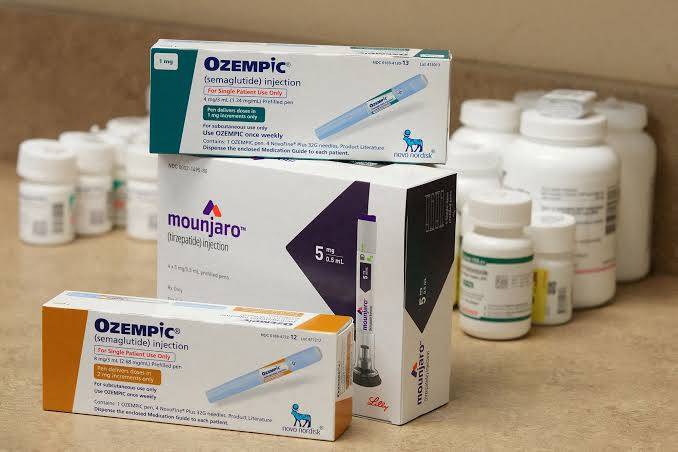
Clinical trial data released on July 3 2026 show that a new biweekly GLP 1 injection achieves weight loss and blood sugar control on par with leading weekly options a result that could reshape treatment choices for millions of people living with obesity and type 2 diabetes. The findings arrive as demand for GLP 1 medicines continues to outpace supply and as patients and clinicians search for regimens that fit busy lives without sacrificing effectiveness.
Why a biweekly option matters for patients and clinics
For many people the difference between injecting once a week and once every two weeks is more than convenience. It is about fitting treatment into real life where travel shift work caregiving and memory lapses can derail even the best intentions. A biweekly schedule reduces the number of doses per year by half which can lower the chance of missed injections and make it easier to plan around holidays business trips or medical appointments that disrupt routine.
Clinics also stand to benefit. Fewer injection starts and refill cycles can free up staff time for education on nutrition physical activity and side effect management. Pharmacy workflows may become simpler with less frequent prior authorization renewals and fewer calls about missed doses. If the biweekly shot proves to have a similar safety profile and cost structure it could become a preferred option for health systems that want to maintain outcomes while easing administrative burden.
What the trial data showed about weight loss and glucose control
The pivotal studies compared the biweekly GLP 1 agent against established weekly injections in adults with obesity and in adults with type 2 diabetes. Participants received standardized lifestyle counseling and were followed for several months to assess changes in body weight hemoglobin A1c and secondary markers such as waist circumference and fasting glucose. The headline result was that average weight reduction and A1c lowering in the biweekly group matched the weekly comparator within a narrow margin that regulators typically consider noninferior.
Beyond averages the data included clinically meaningful milestones such as the proportion of participants who lost at least 5 percent 10 percent and 15 percent of their starting weight. Those thresholds matter because even modest weight loss can improve blood pressure lipids and joint pain while larger reductions are linked to remission of prediabetes and lower cardiovascular risk. The trial also tracked glycemic targets in people with diabetes and found similar rates of patients reaching standard A1c goals in both arms which supports the idea that less frequent dosing does not compromise glucose management.
Safety and side effects in context
GLP 1 medicines share a common side effect profile dominated by gastrointestinal symptoms such as nausea vomiting diarrhea and constipation especially during dose escalation. The biweekly injection showed rates of these events that were broadly consistent with weekly agents though the timing and intensity can differ because of the longer interval between doses. Most participants reported mild to moderate symptoms that improved over time and serious adverse events were uncommon in the study period.
As with all drugs in this class clinicians will continue to screen for personal or family history of medullary thyroid carcinoma and monitor for signs of pancreatitis gallbladder disease and kidney injury. The trial excluded people with certain conditions so real world use will require careful patient selection and gradual dose titration to improve tolerability. Clear guidance on hydration fiber intake and when to pause or reduce the dose can help patients stay on therapy long enough to see benefits.
How this could change prescribing and insurance coverage
If regulators approve the biweekly shot based on these results clinicians will have a new tool to match patient preference with clinical need. Some people prefer weekly injections because they like frequent contact with the medication and the sense of momentum. Others will choose every two weeks because it fits their schedule or reduces needle anxiety. Having both options allows personalized care rather than a one size fits all approach.
Insurance coverage will be a key determinant of access. Payers may favor the biweekly agent if it demonstrates similar outcomes at a lower total cost or if it reduces pharmacy waste from missed doses. Conversely if the price premium is high plans may restrict use to patients who cannot tolerate weekly formulations or who have clear adherence challenges. Patient advocacy groups are likely to push for broad coverage given the chronic nature of obesity and diabetes and the high out of pocket costs that have limited access for many.
What patients should ask before switching or starting
Anyone considering a GLP 1 injection should have a candid conversation with their clinician about goals medical history and what success looks like in practical terms. Weight loss is a process that unfolds over months and requires changes in eating patterns sleep and activity to sustain results after the initial drop. The medication is a powerful aid but it works best as part of a comprehensive plan that includes nutrition support and regular follow up.
Practical questions can guide the decision. How quickly will the dose increase and what side effects should I expect in the first few weeks. What should I do if I miss a scheduled injection or travel across time zones. How will we monitor progress and when would we consider adjusting the dose or adding another therapy. Patients who understand the roadmap are more likely to stay engaged and report problems early so their care team can make timely adjustments.
A simple checklist for the first three months
- Set a clear target for weight and A1c with your clinician and agree on how often to check in
- Plan for hydration and fiber to reduce gastrointestinal side effects and know when to pause the dose
- Track your weight and symptoms weekly so you can see trends and share them at visits
- Keep a list of all medicines and supplements to avoid interactions and duplicate therapies
These steps may seem basic but they build the structure that helps people stay on course when motivation fluctuates. Small wins like fitting into a favorite pair of jeans or seeing a lower fasting glucose number can reinforce the habit loop and make the next two week interval feel manageable rather than daunting.
The broader impact on the biotech and pharma landscape
The success of a biweekly GLP 1 injection signals that the race in metabolic medicine is not only about potency but also about dosing frequency tolerability and real world usability. Companies are investing in longer acting formulations oral versions and combination products that target multiple pathways at once. The goal is to offer options that fit different lifestyles and reduce the burden of daily or even weekly routines for people managing chronic conditions.
Competition is likely to intensify as more candidates enter late stage trials and as manufacturers seek to differentiate on price delivery devices and support programs. For patients this can mean better access over time but it also means navigating a complex market where brand names and marketing claims can obscure the underlying science. Trusted clinical guidance and independent resources will be essential to separate signal from noise.
Where to find reliable information and support
People looking for balanced information on GLP 1 medicines can start with professional society guidelines and patient education materials that explain benefits risks and monitoring in plain language. The American Diabetes Association maintains up to date resources on pharmacologic treatment of type 2 diabetes and obesity that clinicians use to inform shared decision making. The American Diabetes Association website offers practical tools on nutrition activity and medication management that complement the role of injections.
Support groups and registered dietitians can provide the day to day coaching that helps people translate clinical goals into sustainable habits. Many health systems now offer virtual visits and remote monitoring so patients can report symptoms and review progress without traveling to a clinic. The combination of effective medication and consistent support is what turns short term weight loss into long term health gains.
The July 3 2026 trial results do not end the conversation about GLP 1 therapy but they do open a new chapter. A biweekly option that matches weekly efficacy gives patients and clinicians more flexibility and may improve adherence for those who struggle with frequent dosing. As the data move through regulatory review and into practice the focus should remain on safe access clear communication and the everyday work of building habits that last.