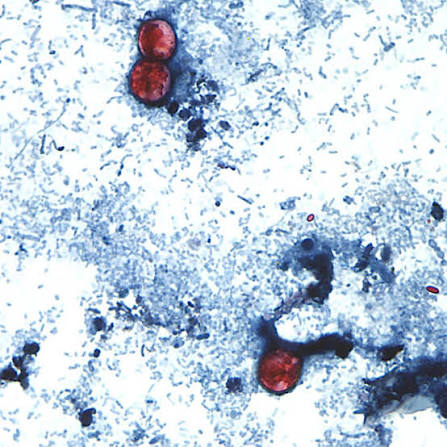
International health officials are now tracking a fast moving water borne parasite outbreak that has crossed 1,000 confirmed severe cases, a troubling milestone that signals wider spread and deeper public health strain than many communities first expected. The rise in infections has put water safety, sanitation, and early treatment back at the center of a global health conversation that is becoming harder to ignore.
What health agencies are seeing
The current outbreak has drawn concern because the parasite is unusually resilient and can survive in contaminated water supplies, recreational water, and environments where sanitation is weak. Public health agencies are monitoring case reports across multiple regions, with severe illness now officially topping 1,000 confirmed cases. That number matters not only because it reflects scale, but because it suggests the outbreak is no longer a localized event.
[tralac](https://www.tralac.org/news/article/17154-tralac-daily-news-1-july-2026.html)
What makes this especially serious is the nature of the illness itself. Parasite driven diarrhea can lead to dehydration, fatigue, weight loss, and dangerous complications, especially in young children, older adults, pregnant people, and those with weakened immune systems. In crowded households or areas where clean water is limited, one infection can spread anxiety quickly, and the burden often lands hardest on families already managing other daily pressures.
[tralac](https://www.tralac.org/news/article/17154-tralac-daily-news-1-july-2026.html)
Why this parasite is hard to control
Water borne parasites are difficult to contain because they can persist in places where ordinary cleaning is not enough. They may spread through drinking water, irrigation systems, swimming pools, or food washed with contaminated water. If a community relies on aging infrastructure or experiences flooding, contamination can move faster than health workers can trace it. That is part of what makes this outbreak so concerning to international agencies.
[tralac](https://www.tralac.org/news/article/17154-tralac-daily-news-1-july-2026.html)
The parasite’s resilience also complicates treatment and prevention. Even when a patient recovers, the broader environment may still carry risk. That means health officials are not just treating patients one by one; they are trying to break chains of transmission in water systems, homes, and public facilities. It is a public health puzzle that depends on clean water access as much as on medicine.
How the illness affects families
For people living through severe diarrhea, the experience is physically exhausting and emotionally draining. Symptoms can begin with stomach pain and watery stools, then progress to weakness, dehydration, and the inability to work or care for children. In a household where several family members may share the same water source, one case can quickly become a cluster. Parents often describe the strain of watching a child lose fluids too quickly, especially when care is far away or health systems are already stretched.
The ripple effects go beyond the patient. Missed work means lost income. School absences interrupt learning. Caregivers lose sleep. When the outbreak reaches beyond isolated cases, the quiet routines of a neighborhood can change fast: fewer street vendors, quieter playgrounds, longer lines at pharmacies, and growing concern about whether the next glass of water is safe.
[tralac](https://www.tralac.org/news/article/17154-tralac-daily-news-1-july-2026.html)
What people should do now
Health agencies are urging basic prevention steps that can make a real difference while investigations continue. Safe water remains the first line of defense. Boiling drinking water where contamination is suspected, using properly treated bottled or filtered water, and avoiding untreated sources are essential precautions. Careful handwashing after bathroom use, diaper changes, and before preparing food also helps reduce spread.
People who develop diarrhea with signs of dehydration should seek medical care quickly. Warning signs can include dizziness, dry mouth, reduced urination, extreme fatigue, and confusion. For children, sunken eyes and unusual sleepiness can be especially dangerous. Oral rehydration solutions are often critical, because replacing fluids and electrolytes early can prevent a mild illness from becoming an emergency.
[tralac](https://www.tralac.org/news/article/17154-tralac-daily-news-1-july-2026.html)
Practical prevention steps
Families can reduce risk by checking local water advisories, cleaning kitchen surfaces carefully, and avoiding swallowing water in pools, lakes, or rivers where the parasite may be present. Travelers should be especially cautious in areas with active alerts. In community settings, food handlers, childcare centers, and health workers need to be alert to hygiene procedures that prevent cross contamination.
Public health response
International agencies are working with local authorities to identify the source of contamination, monitor new cases, and improve access to treatment and safe water supplies. That response usually involves laboratory testing, epidemiological tracing, public advisories, and sanitation support. In outbreaks like this one, speed matters, but so does trust. People are more likely to follow guidance when they hear clear explanations about where the risk is coming from and how to reduce it.
The challenge is that water borne outbreaks often expose broader infrastructure weaknesses. A contaminated source may reveal gaps in treatment systems, drainage, inspection, or emergency communication. That is why the response cannot stop with a temporary warning. It has to include longer term improvements in water safety and surveillance if the outbreak is to be contained and future waves prevented.
[tralac](https://www.tralac.org/news/article/17154-tralac-daily-news-1-july-2026.html)
Why the 1,000 case mark matters
Crossing 1,000 confirmed severe cases is more than a headline number. It is a threshold that changes how governments, hospitals, and aid groups think about the outbreak. Once an infection reaches that scale, public health systems must prepare for wider treatment demand, more laboratory confirmation, and more public messaging. The number also suggests that transmission is continuing despite awareness efforts, which increases urgency for both response and investigation.
In health reporting, large case counts are never just statistics. They represent people trying to get through the day while dealing with pain, weakness, fear, and uncertainty. They represent clinics under pressure, water technicians working long shifts, and public officials racing to keep pace with an organism that thrives in conditions humans are still struggling to control.
[tralac](https://www.tralac.org/news/article/17154-tralac-daily-news-1-july-2026.html)
What to watch next
Over the coming days, the most important questions will be whether the case count continues to rise, whether a common contamination source is identified, and whether public health warnings reach the communities most at risk. Officials will also be watching hospitals for signs of increased dehydration cases and severe complications. If the outbreak is linked to a specific water system, fast action could still reduce the scale of the crisis.
For now, the message from health authorities is clear: treat water safety seriously, watch for symptoms, and do not wait to seek care when dehydration appears. In outbreaks like this, the line between a manageable illness and a dangerous one can be very thin. The faster people respond, the better the chances of limiting harm.
[tralac](https://www.tralac.org/news/article/17154-tralac-daily-news-1-july-2026.html)
For readers seeking trusted background on water and diarrheal disease prevention, the World Health Organization publishes global guidance, while the U.S. Centers for Disease Control and Prevention offers practical prevention and treatment resources.