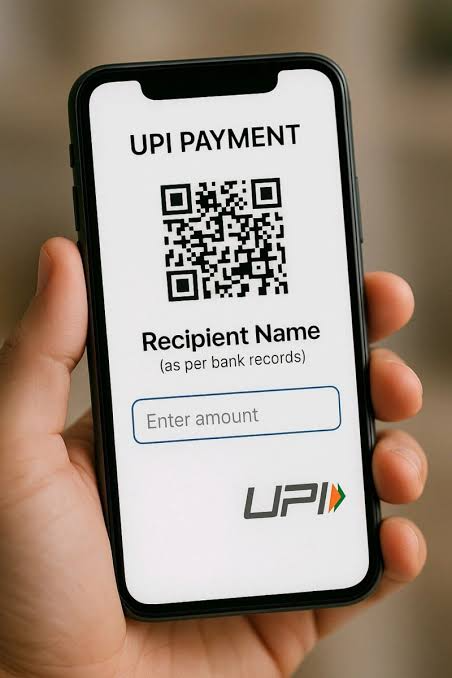
Digital payment surveillance has exposed a troubling pattern of identity hijacking, mule accounts, and automated fraud flows tied to UPI systems, pushing regulators and compliance teams to take a harder look at how transaction monitoring is built and enforced. The findings are a reminder that the speed and convenience of instant payments have to be matched by equally fast defenses, or the financial system risks becoming a runway for organized crime.
What the surveillance found
At the center of the latest concerns is a growing network of accounts used to move stolen funds, conceal identity theft, and pass illicit transactions through layers of digital activity. These mule accounts often appear ordinary on the surface, but surveillance systems flagged suspicious patterns that suggest they were opened or controlled using hijacked identities. Once active, they can be used to receive, split, and forward money in ways that make tracing the original source far more difficult.
The broader picture is one of increasingly industrialized fraud. This is not just a matter of isolated scams or opportunistic abuse. It looks more like organized systems built to exploit gaps in onboarding, weak identity verification, and transaction automation. For banks, payment platforms, and regulators, that means the problem is no longer limited to bad actors finding loopholes. It is about criminal networks adapting quickly enough to pressure the entire compliance stack.
Why UPI systems are under pressure
UPI has become one of the most convenient ways to move money, and that popularity is exactly what makes it attractive to fraud networks. Instant transfers leave little room for manual review, which is useful for legitimate users but also creates a narrow window for detection. If a fraudulent transaction moves quickly through a chain of accounts, the system has to recognize the warning signs almost immediately or risk losing recovery opportunities.
That is why automated monitoring frameworks are now under scrutiny. Surveillance tools can scan for unusual frequency, repeated small transfers, mismatched identity signals, device anomalies, and recipient behavior that does not fit normal consumer use. When those signals line up, investigators can trace suspicious activity faster. But the challenge is that fraudsters also learn from the system. They break transactions into smaller amounts, reuse clean looking accounts, and mimic regular payment patterns to avoid detection.
The new fraud playbook
Recent patterns suggest that fraud groups are combining identity theft with transaction layering. A stolen identity may be used to open an account, a mule network may be used to move funds, and automated scripts or coordinated activity may be used to make the flow look less suspicious. That combination can make a transaction look like ordinary digital commerce while actually functioning as a laundering pipeline.
For ordinary users, this is the part that feels most unsettling. A payment that looks routine on a phone screen may be part of a much larger chain of deception. The convenience of a tap or quick authorization can hide the complexity of what is happening behind the scenes.
Regulators are shifting focus
The discovery of large scale fraud operations is likely to sharpen regulatory attention on automated transaction frameworks, customer due diligence, and account verification standards. Supervisors typically want payment systems to be fast, but not so fast that they become blind to risk. That balance is now harder to maintain as fraud networks use better tools and more coordinated methods.
Compliance teams will likely face pressure to show that their models are not only catching obvious threats but also adapting to more subtle patterns. That may include better device fingerprinting, stronger identity proofing at account opening, more robust watchlists, and faster interbank information sharing. In a financial ecosystem built around instant settlement, the old assumption that suspicious activity can be reviewed later is no longer enough.
Why this matters to consumers
For consumers, the impact can be personal and immediate. Identity hijacking can lead to unauthorized accounts, blocked payments, frozen funds, and the difficult process of proving that a transfer was not yours. Even when banks or platforms eventually restore access, the damage can linger in the form of stress, lost time, and damaged trust.
That human cost is often hidden by the language of compliance reports. Behind every flagged mule account or suspicious transaction chain is usually a person who had to explain a fraud case, gather documents, and wait for investigators to unwind the activity. The more efficient the fraud network, the more painful the cleanup becomes for everyone else.
What banks and platforms may do next
Financial institutions are likely to tighten account verification and expand behavioral surveillance. That can mean more step up authentication, more review of device and location patterns, and more friction when a payment looks unusual. Some users may find that frustrating, but these controls are often the only way to slow fraud without shutting down the speed that makes UPI useful in the first place.
We may also see more collaboration between banks, payment processors, telecom firms, and law enforcement. Fraud is rarely confined to one institution. If a criminal network can move across platforms quickly, then the response has to be equally connected. That includes better data sharing, faster alerts, and clearer rules for freezing suspect accounts before money disappears into a wider network.
Likely response areas
- Stronger identity verification during onboarding and account recovery.
- More aggressive real time monitoring of suspicious transfer patterns.
- Improved data sharing between financial institutions and regulators.
- Faster freezes and holds when mule activity is detected.
The limits of automation
One of the harder lessons here is that automation alone is not a complete defense. Fraud networks are already using automation to scale their attacks, which means banks cannot simply rely on rules that were designed for older, slower forms of misconduct. Human investigators still matter, especially when edge cases need context or when a legitimate customer is wrongly flagged.
The strongest systems will likely be the ones that combine machine speed with human judgment. That may sound obvious, but in practice it is difficult. If systems are too strict, they inconvenience honest users. If they are too loose, they let criminals move too freely. The task for compliance teams is to make those decisions in milliseconds, often with incomplete information.
A wider warning for digital finance
This episode is also a warning for the broader digital finance sector. Instant payment systems have changed expectations around speed, convenience, and access. But as money moves faster, the window for abuse narrows and the consequences of missed signals grow larger. Fraud operators understand this. They are not just attacking systems. They are attacking the assumptions that those systems are safe because they are modern.
That is why the current surveillance findings matter beyond one payment rail or one country. They show that fraud detection is becoming a core part of financial infrastructure, not just a back office concern. If digital money is to keep its promise, the systems around it will need constant upgrades, tougher verification, and a willingness to treat fraud detection as essential plumbing rather than optional security.
What comes next
The next stage will likely involve more scrutiny, more enforcement, and more pressure on firms to prove that their monitoring tools can keep pace with criminal innovation. The findings around hijacked identities and mule accounts are not a final answer. They are a signal that surveillance is catching part of the problem and that the response must now move from detection to prevention.
For users, the practical lesson is to treat account security as part of everyday financial hygiene. For institutions, the lesson is sharper: instant payments need instant protections. If compliance systems fail to adapt, the same speed that makes digital finance appealing could continue to make it vulnerable.
For readers seeking broader context, financial crime guidance from the Financial Action Task Force and consumer protection resources from the U.S. Federal Trade Commission remain useful reference points for how identity theft, mule activity, and payment fraud are being addressed across the financial system.