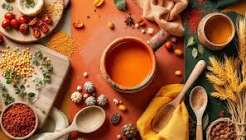
Across fine dining kitchens this season, chefs are reaching for combinations that once sounded almost improbable, pairing ingredients like grape and tomato, sweet herbs and bitter leaves, or pale roots with jewel toned fruits to create dishes that feel both familiar and startling. The result is a wave of menus that use color, acidity, sweetness, and texture in ways that make diners pause before the first bite and often return for a second look.
A season shaped by contrast
The movement is not about novelty for its own sake. It reflects a broader shift in culinary thinking, where chefs are treating flavor as a conversation between opposing qualities rather than a single dominant note. A ripe grape can sharpen the roundness of a tomato. A vivid green herb can brighten a dish of roasted squash. A pale cream sauce can make a dark, earthy vegetable seem more vivid on the plate. When the pairing is right, the effect is both visual and gustatory, drawing the diner into the dish before the fork even moves.
We are seeing this approach most clearly in experimental fine dining, where seasonal produce is being arranged almost like a painter’s palette. Chefs are using the natural colors of vegetables and fruit not just to signal freshness, but to tell a story about contrast, ripeness, and balance. A plate that holds deep red, bright green, and amber tones invites curiosity in a way that a more uniform presentation often cannot.
Why grape and tomato works
At first glance, grape and tomato sounds like a pairing built for surprise. Yet the logic becomes clear once the ingredients are tasted together. Tomatoes offer acidity, umami, and watery freshness, while grapes can contribute sweetness, perfume, and a soft pop of juice. Together, they create a layered effect that is less about sweetness alone and more about brightness and tension. That tension is what makes the combination feel exciting rather than gimmicky.
Chefs experimenting with this pair often lean on raw preparations, quick roasts, or lightly fermented elements to preserve the fruit and vegetable identities. A salad of halved grapes and tomato segments may be dressed with olive oil, vinegar, and herbs, while a more elaborate plate might pair blistered tomatoes with charred grapes and a creamy base. The contrast between the soft skins, the burst of juice, and the savory backbone gives the dish a rhythm that diners remember.
Color as a flavor cue
The visual side matters just as much. Red and purple tones signal sweetness and richness, while green herbs or leaves add freshness and lift. When diners see those colors together, they often expect balance, and that expectation shapes the eating experience. A dish that looks bright tends to taste brighter in the mind, and chefs are using that instinct with remarkable precision.
Seasonal produce drives the trend
The surge in unusual pairings is tied to the seasonal produce calendar. Summer kitchens have more ripe fruit, tender vegetables, and fragrant herbs to work with, which makes it easier to build dishes around contrast. In the height of the season, a chef can pull from a wide range of tomatoes, stone fruits, berries, peas, greens, and roots, each with its own color and texture. The challenge is no longer availability. It is restraint.
That restraint is what separates a thoughtful pairing from a scattered plate. Experimental chefs are not simply combining anything vivid with anything sweet. They are looking for ingredients that share a point of tension, whether that is acidity against sugar, crunch against creaminess, or warmth against freshness. When those dimensions are balanced carefully, the result can feel both original and deeply satisfying.
The dining room reaction
For diners, these dishes often create a sense of discovery that is hard to fake. The first impression may be visual, especially when a plate arrives with an unusual mix of colors that looks more like a still life than a conventional entrée. Then comes the smell, often sharp with herbs or citrus, followed by the first bite, which may reveal a combination far more coherent than the eye predicted.
That progression matters because fine dining today is often as much about memory as it is about taste. Guests want to be surprised, but they also want the surprise to make sense. The best pairings linger because they feel inevitable only after the fact. That is the quiet magic at work in many of this season’s most talked about menus.
What chefs are trying to say
There is also a philosophical side to the trend. Many chefs seem to be pushing back against overly polished, overly predictable plates. By pairing ingredients that seem unlikely at first, they are asking diners to rethink assumptions about what belongs together. A grape is not just a snack fruit. A tomato is not only a salad ingredient. Each can play a different role when placed in a dish built around contrast rather than convention.
This approach can feel especially meaningful in a year when diners are looking for experiences that feel grounded and sensory. The best seasonal menus remind people that food has texture, color, temperature, and scent, not just flavor. When a dish arrives looking like an abstract composition and tastes like a carefully tuned balance of sweet, tart, and savory, it gives people something to talk about long after the meal ends.
Technique behind the trend
These dishes often depend on precise handling. If the fruit is too ripe, the pairing can become heavy. If the vegetables are under seasoned, the contrast feels thin. Chefs are using methods like light curing, quick roasting, marination, and raw finishing to keep each component distinct. That preserves the ingredients while allowing the flavors to meet in the middle.
Texture matters too. A successful seasonal pairing usually includes something crisp, something soft, and something with acidity or fat to tie the elements together. A grape and tomato dish might be lifted by toasted seeds, fresh herbs, or a silky cheese. Without that structure, the dish can taste like separate ideas on one plate. With it, the result feels composed and complete.
What this means for home cooks
Home cooks can borrow from the trend without chasing restaurant complexity. The simplest route is to start with produce already at its peak and pair it with one ingredient that offers a clear contrast. A sweet fruit can brighten a savory vegetable. A bitter leaf can keep a rich element from feeling flat. A warm roasted component can give a chilled salad more depth.
- Choose one dominant seasonal ingredient and one contrasting accent.
- Balance sweetness with acid so the dish stays lively.
- Use herbs, salt, and fat to connect the elements.
The most useful lesson is not that strange pairings are always better. It is that the best ones are built with intent. When home cooks approach contrast with care, even a simple plate can feel refined and surprising.
A wider cultural shift
This trend also reflects how modern diners think about food storytelling. People want dishes that look beautiful, taste layered, and make use of the season in a visible way. Color has become part of that expectation. A menu that celebrates the palette of late summer or early harvest can feel more memorable than one that simply repeats familiar combinations.
That is why grape and tomato, and other unexpected seasonal pairings, are appearing not as one off curiosities but as part of a broader culinary language. Chefs are using produce to speak in a more expressive, less literal way. The result is food that feels alive to the moment, rooted in the market, and attentive to how people actually experience a meal with their eyes, nose, and palate.
What comes next
If the current season is any guide, we will likely see even more combinations that sound unusual on paper but make perfect sense on the plate. The most successful dishes will probably continue to favor clarity over excess, allowing one or two unexpected contrasts to carry the whole composition. In that sense, the trend is less about shock and more about discipline.
For diners, that is good news. It means more menus that surprise without exhausting, more plates that are beautiful without feeling ornamental, and more opportunities to taste familiar ingredients in a new light. The season belongs to the chefs who know that the most memorable flavors are often the ones that seem unlikely until the very first bite.
For broader culinary context, the James Beard Foundation and the Food and Agriculture Organization remain useful sources for seasonal ingredient trends, sustainable produce practices, and the changing role of fresh ingredients in professional kitchens.