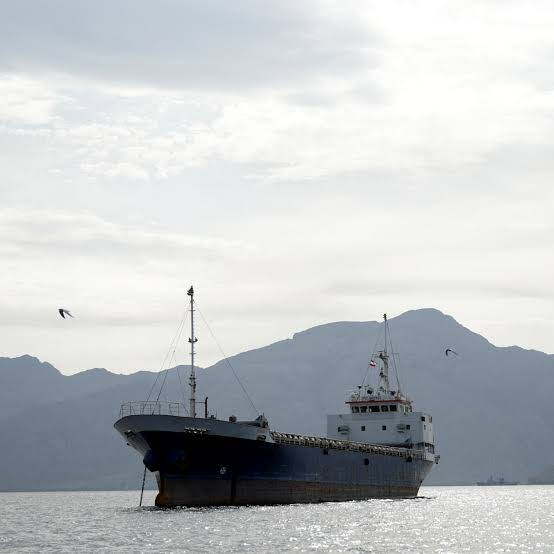
On July 12 2026 the world watched a narrow stretch of water become the center of a global standoff. Iran announced it had closed the Strait of Hormuz citing security concerns while the United States Central Command said the vital shipping lane remained open for commercial traffic. The conflicting claims did little to calm markets. Container ships and oil tankers began altering course. Insurance premiums rose. Supply chain planners braced for delays that could ripple from fuel pumps to grocery shelves.
Why this waterway matters to daily life
The Strait of Hormuz is a narrow channel between Iran and Oman that connects the Persian Gulf to the Gulf of Oman and the wider Indian Ocean. A significant share of global oil shipments passes through this bottleneck along with liquefied natural gas and containerized goods. For consumers the strait is not just a line on a map. It is a factor in the price of gasoline at the pump the cost of shipping goods and the reliability of delivery times for products that arrive by sea.
When tension rises in the strait the first effect is often financial. Crude oil prices react to perceived risk because traders price in the possibility of disrupted flows. Shipping companies then reassess routes and insurance costs. Those costs eventually show up in freight rates and import bills. For households that means higher prices for fuel and for goods that travel long distances by ship.
What each side is saying
Iran stated that it had closed the strait to protect its sovereignty and to respond to regional threats. Officials described the move as temporary and tied to security drills and heightened alert levels. The language suggested that Tehran wanted leverage without committing to a prolonged shutdown that could invite a wider confrontation.
US Central Command pushed back with a clear message. It said the strait remained open and that naval assets were monitoring the area to ensure freedom of navigation for commercial vessels. The statement aimed to reassure markets and shipping companies that the channel was still passable even as military presence increased. The conflicting narratives created uncertainty that is often enough to change behavior in logistics and trading rooms.
How commercial traffic is responding
Shipping lines do not wait for certainty when crews and cargo are at stake. Several operators announced course adjustments to avoid the most congested parts of the strait or to stage outside the area until the situation clarified. Some tankers slowed to a crawl near the entrance while others opted for longer routes around the Arabian Peninsula. The extra distance adds days to a voyage and burns more fuel. That cost is passed through charter rates and eventually to importers.
Insurers reacted quickly. War risk premiums for vessels transiting the Gulf rose within hours. Higher premiums mean higher operating costs for ship owners. Those costs are factored into freight contracts and can lead to surcharges on shipments that were priced weeks earlier. For businesses that rely on just in time deliveries the combination of longer transit times and higher fees forces a rethink of inventory buffers and sourcing strategies.
Energy markets and the price signal
Oil traders priced in the risk of a sustained disruption even if the strait remained technically open. Benchmark crude futures jumped as headlines spread. The move reflected a simple reality. Even a partial slowdown in tanker traffic can tighten supply in the short term. Refineries that depend on steady inflows may draw down inventories or switch to alternative grades. That shift can create regional price disparities that affect everything from jet fuel to diesel.
Natural gas markets also felt the tremor. Gulf states export significant volumes of liquefied natural gas through the strait. A delay in loading or a decision to reroute can push back delivery windows for buyers in Asia and Europe. While global gas markets have more flexibility than in past years due to new export terminals the timing of cargo arrivals still matters for power generators and industrial users.
What this means for consumers and businesses
For motorists the most direct link is the pump. A spike in crude prices tends to show up at retail stations within days to weeks depending on local taxes and contracts. For households that budget carefully even a small increase in fuel costs can strain monthly expenses. For businesses that run fleets of trucks or delivery vans the effect is immediate. Higher diesel costs reduce margins or force price increases for customers.
Importers and exporters face a different set of choices. Some will absorb higher freight costs to keep contracts intact. Others will pass costs to buyers or delay shipments until the picture clears. Manufacturers that rely on components from multiple regions may need to adjust production schedules if parts arrive late. Retailers with thin inventory buffers could see shelves empty faster than expected if inbound containers are delayed.
The human side of a geopolitical flashpoint
Beyond the numbers and the charts there are people whose days are defined by this tension. A deck officer on a tanker watches the horizon for small boats and reads every radio message with care. A logistics manager in a port city replans trucking routes because a container ship is now two days late. A family in a coastal town hears the news and wonders if the price of bread will rise again. These are the real stakes of a geopolitical dispute that plays out on a waterway only a few dozen miles wide.
Diplomats and military leaders know that miscalculation carries heavy costs. A single incident can escalate quickly in a crowded channel where commercial and military vessels share the same space. That is why statements from both sides matter. Clear communication reduces the chance of accidental confrontation. It also gives markets and shipping companies the information they need to make reasoned decisions rather than reacting to worst case scenarios.
What to watch next
The next few days will tell whether this is a brief flare up or the start of a longer disruption. Key indicators include official statements from Tehran and Washington the number of commercial transits reported by maritime monitors and the behavior of oil and freight markets. If the strait remains open and traffic resumes normal levels prices could stabilize quickly. If closures or delays persist the pressure on supply chains and energy markets will grow.
Businesses should review contingency plans now. That means identifying alternative suppliers where possible building inventory buffers for critical items and modeling the cost impact of higher freight and fuel prices. Households can prepare by tracking fuel budgets and considering whether to lock in rates on variable expenses where options exist. Preparedness does not remove risk but it reduces the shock when prices move.
Where to find reliable updates
For real time maritime traffic data and advisories the United States Energy Information Administration provides analysis on how shipping disruptions affect oil flows. The International Maritime Organization posts safety bulletins and guidance for commercial vessels operating in high risk areas.
U.S. Energy Information Administration oil market analysis and International Maritime Organization safety bulletins offer authoritative information for readers who want to track the situation and understand its impact on global trade and energy supplies.