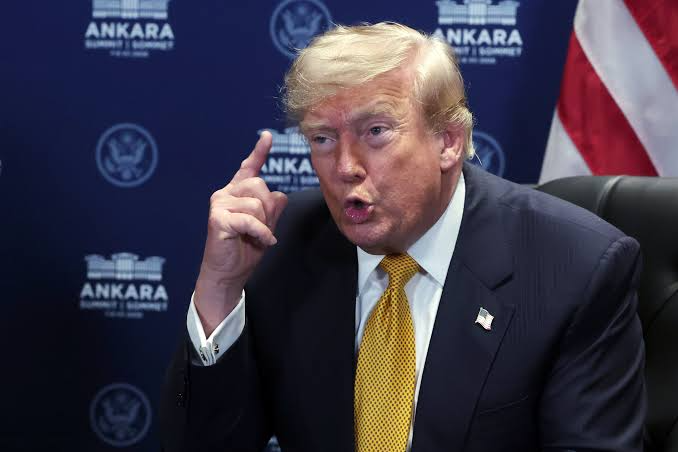
On July 12, 2026 President Donald Trump used public social media channels to announce that the United States considers the ceasefire agreement with Iran effectively terminated. The declaration came in a series of terse, widely viewed posts that immediately elevated online platforms into the center of high stakes international diplomacy. The move reshapes how administrations communicate major foreign policy shifts and raises urgent questions about process, credibility, and the risks of real time digital messaging during fragile moments of conflict resolution.
What the posts said and how the world reacted
The president posted a pair of messages that left little room for interpretation. They stated that the ceasefire deal negotiated earlier this year is no longer operative and that the United States will respond to what it described as renewed Iranian provocations. The posts were accompanied by photos of military leaders and a short video clip of what the White House described as evidence supporting the decision. Global markets reacted within minutes, defense stocks rising while oil futures added a muted premium. World leaders issued public statements that ranged from cautious support to alarmed calls for restraint.
Immediate responses from allies and adversaries
U S NATO partners expressed concern and urged clarification through diplomatic channels. Some European capitals privately pushed for an emergency meeting of senior diplomats. Tehran called the declaration provocative and warned that it would adjust its posture accordingly. Regional governments in the Middle East recommended deescalation, fearing the prospect of renewed kinetic exchanges. Across the board, diplomats said they had not received formal written notification of a policy shift before the social media announcement.
Why this matters for diplomacy and crisis management
Using social media to announce the end of a ceasefire alters the cadence and control of diplomatic communication. Traditionally leaders rely on secure, coordinated channels to make discrete notifications, to allow time for allied consultation and for military commands to adjust postures. Public declarations on fast moving platforms compress that process, increasing the likelihood of misinterpretation and rapid escalation. For those in the room charged with deescalating tensions the loss of a controlled rollout can create operational friction and intelligence gaps.
Operational risks and command considerations
Military commanders require clear orders and calibrated timing to avoid unintended clashes. A public announcement that signals a policy reversal before formal written directives arrive can create dangerous ambiguity on the ground. Forces in theater, allied militaries, and private contractors may interpret the message in different ways, each with separate rules of engagement. That ambiguity raises the risk of miscalculation, particularly in tense maritime and air corridors where split second decisions matter.
Legal and procedural questions raised by a digital declaration
Legal scholars and former officials flagged questions about whether a social media post satisfies statutory or treaty notification requirements. Many international agreements require formal diplomatic communications for termination or suspension of pacts. Analysts noted that while executives have wide latitude in foreign policy, administrative practice generally favors written, authenticated communications between governments. The timing and format of the announcement could complicate later legal or parliamentary reviews of the administration’s actions.
Congressional oversight and domestic politics
In Washington the decision intensified debate about executive power and congressional oversight of foreign policy. Some lawmakers demanded briefings and classified materials to justify the move. Others framed the announcement as decisive leadership. The partisan split has predictable implications for budgetary fights and oversight hearings. For constituents in districts with deployed personnel the announcement prompted urgent requests for information and reassurances about force protection measures.
How digital-first diplomacy reshapes public perception and media coverage
Announcing a major international pivot on social platforms amplifies the story instantly and allows the message to bypass traditional editorial filters. That immediacy changes how citizens, journalists, and foreign publics receive and process consequential information. Social media posts are designed for rapid engagement and often lack context, which can deepen confusion when complex legal and strategic rationales are absent. Media organizations scrambled to verify details and to obtain official documentation that was not immediately forthcoming.
Information ecology and verifying claims
Journalists and open source investigators raced to corroborate the evidentiary claims presented in the president’s posts. Independent verification matters because visual material shared on social platforms can be misleading without provenance. Newsrooms applied standard verification techniques including metadata analysis and cross checking with intelligence and allied sources. The episode illustrated how verification remains essential even when a head of state frames a narrative directly to millions of followers.
Voices from the region and the human stakes
On the ground in parts of the Middle East the announcement produced a mix of resignation and fear. People in border communities reported heightened nervousness, more traffic at evacuation points, and spikes in demand for basic supplies. For families of service members and aid workers the stakes are immediate and personal. Humanitarian organizations said they were preparing contingency plans to protect staff and sustain essential services should hostilities increase.
What diplomats and experts recommend now
Seasoned diplomats recommended a rapid return to backchannel engagement to rebuild trust and to clarify red lines. They urged transparent, document based communications to allied capitals, multilateral institutions, and regional actors. Military advisers emphasized the need for mutual deconfliction measures and reestablished hotlines to prevent inadvertent clashes. Most experts agreed that a single public declaration cannot substitute for the painstaking work of negotiation and confidence building that underpins durable agreements.
What to watch next
Key indicators to follow include official written notifications exchanged between the United States and Iran, any visible repositioning of forces in contested areas, and statements from leading capitals and international organizations. Market movements in energy and defense offer near real time insight into investor sentiment. Congressional activity and hearings will shape the domestic political context. Finally, whether bilateral or multilateral diplomatic channels reopen and how quickly will determine whether the announcement produces sustained escalation or a pathway back to negotiated stability.
Context and history that matter
The use of public digital channels for consequential foreign policy pronouncements has precedents in recent years but each instance tests norms and institutions anew. Past administrations have relied on both public messaging and private diplomacy to varying effect. Analysts point out that when messages and mechanisms diverge the burden of rebuilding shared understanding falls on career diplomats, military professionals, and international partners who prefer predictable interaction. The present episode is a vivid reminder that the medium of a message can alter its consequences as much as its content.
For further reading on treaty termination procedures and diplomatic practice see resources from the United States Institute of Peace and the United Nations Treaty Section which outline legal frameworks and notification norms for agreements and ceasefires. For background on digital diplomacy and state use of social platforms consult reporting from leading international affairs outlets that track these shifts in real time.
Would you like a timeline of the ceasefire negotiations and correspondence that led up to this announcement or a short brief summarizing possible next steps for policymakers and humanitarian actors