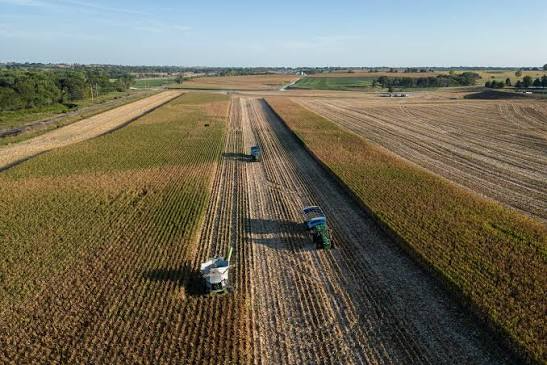
On July 12, 2026 a wave of farmland transactions swept through core agricultural states as global trade frictions and record summer heat pushed both corporate investors and family owners to sell or reconfigure holdings. From red clay roads outside Omaha to the prairie tile lines of central Iowa buyers moved quickly, chasing assets and liquidity while sellers recalibrated risk amid uncertain export markets and worsening climate stress. The result is a tightening of real estate liquidity that is rewriting local economies and testing long held assumptions about who will steward America’s farms.
What is driving the spike in transactions
Several forces converged to accelerate the pace of farmland deals. Ongoing tariffs and retaliatory trade measures have disrupted commodity flows, squeezing margins for producers who depend on overseas markets. At the same time extreme heatwaves across the Midwest have damaged yields and raised operational costs for irrigation and labor. These pressures pushed some producers into sales to cover short term liabilities or to consolidate operations into fewer, larger parcels.
Institutional capital and agri corporations have been active buyers. With low borrowing costs still available for qualified purchasers and farmland often seen as an inflation resistant asset class many firms have increased acquisitions to secure supply chains and gain scale efficiencies. Private equity groups and real estate investment trusts are likewise targeting productive acres near grain logistics hubs to control storage and transportation bottlenecks.
How communities are feeling the change
On a humid morning near Council Bluffs an eighth generation farmer walked through a field of withered corn and described the decision to sell as both fiscal prudence and heartbreak. The buyer was a regional agribusiness that plans to convert some parcels to mechanized row crop operations and lease others back for specialty vegetables. Locals said that sale prices, which outpaced appraisals, created a feverish market for neighboring tracts and attracted out of state buyers who rarely considered rural properties a decade ago.
For small towns the effects are mixed. Rising land values boost property tax rolls and can fund schools and services, but when ownership shifts to distant corporate managers the social fabric changes. Farmstead houses sit vacant more often and local feed stores and mechanics face uncertain demand patterns. Longtime residents voiced anxiety about access to land for young farmers who lack capital to compete with deep pocketed buyers.
Voices from the field
Farmworkers and seasonal laborers reported scheduling changes as new owners optimized planting cycles and experimented with contract labor. Extension agents and county planners noted a spike in questions about zoning, water rights, and lease law. Several community leaders urged local governments to consider protective ordinances and incentives to keep productive land in local hands while ensuring that sales proceed transparently and with tenant protections.
Market mechanics and price signals
Transaction records from county clerks and recent brokerage reports show a notable increase in both volume and average price per acre in hotspots like Polk County Iowa and Douglas County Nebraska. Agricultural economists point out that farmland historically acts as a portfolio diversifier, but the correlation with commodity markets can rise when trade shocks concentrate revenue risk. The premium paid by corporate buyers often reflects anticipated savings from scale, access to processing facilities, and a desire to control upstream supply chain nodes.
Liquidity tightened because many sales were executed quickly for cash or near cash equivalents, reducing time on market but compressing the pool of potential buyers who depend on traditional bank financing. Lenders responded by tightening underwriting on working farms, citing volatility in export demand and crop insurance payout uncertainties after recent extreme weather events.
Policy responses and regulatory considerations
State legislatures and county commissioners are watching the trend and exploring responses. Proposals include targeted tax relief for beginning farmers, restrictions on foreign ownership in sensitive watersheds, and expanded local right of first refusal to allow municipal entities or land trusts to acquire priority parcels. Federal agencies are monitoring whether increased consolidation will affect competition in agribusiness and whether antitrust review is warranted when sales involve large processors or integrated supply firms.
Analysts also flagged the role of crop insurance programs and conservation incentives in shaping seller behavior. Some farmers opted to sell rather than invest in irrigation upgrades that would be required to comply with evolving conservation compliance rules tied to federal payments. Others cited delayed disaster assistance payments as a factor nudging them toward liquidity events.
Climate signals that underlie the market shift
Persistent heat and drought stress have become a financial variable rather than simply an operational challenge. Soil moisture deficits were visible from space and in the cracked surface of creek beds that feed irrigation pivots. Farmers described the sensory reality of harvests cut short by heat so intense combines sputtered and crews worked at dawn to avoid heat illness. Those lived experiences are converting into balance sheet calculations about the cost of capital investments for climate resilience.
Some buyers are acquiring land explicitly for its higher elevation or access to more reliable groundwater, anticipating climate driven migration of productive zones. That reactive behavior drives local premiums and reshapes long term land use. Conservationists warn that commodity driven reallocation could undermine habitat corridors and reduce biodiversity if not balanced with sustainable management requirements.
Paths forward for farmers, buyers, and policymakers
There are practical steps that affected stakeholders can take now. Farmers considering sale should obtain independent appraisals and consider sale leaseback arrangements to retain operational control while freeing capital. Younger producers can explore cooperatives and shared equity models that pool purchasing power. Local governments can speed up land conservation easement programs and offer tax incentives tied to long term stewardship clauses.
Policymakers can evaluate targeted funding for climate resilient infrastructure and consider adjustments to crop insurance that better account for systemic climate risk rather than parcel specific loss. Transparency measures for large transactions and enhanced disclosure of buyer identities and intended land use can help communities plan and respond.
Resources for further reading
For legal and policy frameworks on farmland ownership review material from the United States Department of Agriculture and research from land conservation organizations that analyze farmland protection strategies. For market level data consult agricultural land value reports from university extension services and national economic research bodies that track price per acre and transaction volumes.
What to watch next
Watch for quarterly land sales reports from state registries, announcements of major corporate acquisitions, and proposed state or federal legislation addressing farmland ownership and conservation. Pay attention to seasonal weather patterns and insurance program updates that could accelerate further sales or encourage retention. Ultimately whether the current spike produces long term consolidation or a new balance that preserves local farming will depend on the choices made by buyers, sellers, and policymakers over the coming months.
Would you like a concise timeline of recent major farmland transactions in Iowa and Nebraska or a short primer on leaseback and cooperative ownership models for prospective buyers and sellers