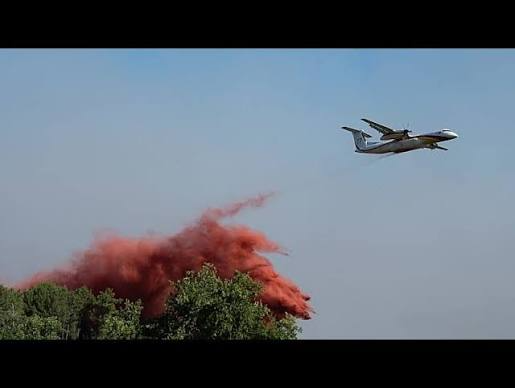
As of July 26, 2026, more than 300,000 people have been forced to flee their homes and holiday stays as out of control wildfires rip through southern France and central Spain. The blazes have turned celebrated wine country, coastal resorts, and mountain villages into emergency zones, stretched emergency services beyond capacity, and disrupted regional transport hubs that millions of travelers depend on each summer.
[cnn](https://www.cnn.com/2026/07/25/world/live-news/france-spain-wildfires-evacuations)
Evacuations Surge on Two Fronts
In France, authorities ordered the full evacuation of the Cap Ferret peninsula on the Atlantic coast, a magnet for tourists and second home owners south of Bordeaux. Around 63,000 people were told to leave as two separate fires threatened homes and campsites, with many fleeing by boat as flames closed in. Farther south, in the Landes region, another 23,000 residents and visitors were ordered out of their lodgings as the fire front advanced.
[wncy](https://wncy.com/2026/07/24/spain-declares-emergency-as-wildfires-force-thousands-of-evacuations/)
In Spain, the government declared a national emergency after fast moving fires merged west of Madrid. More than 19,000 people were told to evacuate from mountain towns around the capital, while in central Spain overall evacuations reached about 70,000 as new blazes broke out and old ones reignited. One fatality has been reported in Manises, in the Valencia region, marking the first known death in this wave of fires.
[latimes](https://www.latimes.com/world-nation/story/2026-07-25/franc-spain-battle-wildfires-as-more-than-250-000-are-forced-to-flee)
What Travelers Are Facing Right Now
If you are in or near the affected regions, you are likely confronting some difficult realities. Authorities have sent mobile alerts with evacuation orders, and police have gone door to door in several areas. In Bordeaux, the city opened an exhibition center to shelter thousands of evacuees and said it could accommodate up to 10,000 people if needed.
[latimes](https://www.latimes.com/world-nation/story/2026-07-25/franc-spain-battle-wildfires-as-more-than-250-000-are-forced-to-flee)
Transport disruption is significant. In Bordeaux, the airport remains open but bus and tram services were suspended as the city focused on emergency operations. In Madrid, firefighters reported that the blazes spread so fast and violently that they could not be tackled head on, forcing wide road closures and sharp restrictions on movement in rural communities that feed into the capital region.
[latimes](https://www.latimes.com/world-nation/story/2026-07-25/franc-spain-battle-wildfires-as-more-than-250-000-are-forced-to-flee)
Emergency centers have been set up in schools and gymnasiums for both residents and tourists, with officials providing food, water, and temporary shelter as families regroup. Many travelers have described scenes of panic as they packed cars in a rush, while others fled by boat from coastal towns where roads were clogged or blocked by smoke.
[phys](https://phys.org/news/2026-07-forest-infernos-france-spain.pdf)
How the Fires Spread So Quickly
Climate and weather are the main drivers. Successive, record breaking heat waves baked Europe unusually early this year, turning forests and scrublands into tinderboxes. In the Gironde region, the fire grew into what officials called a firestorm, generating its own winds and becoming so intense that it could not be approached directly in some sectors.
[latimes](https://www.latimes.com/world-nation/story/2026-07-25/franc-spain-battle-wildfires-as-more-than-250-000-are-forced-to-flee)
Across both countries, shifting winds have repeatedly changed the direction of the flames, complicating containment and forcing new evacuation orders almost by the hour. In France, officials warned that a west to east wind shift could push the main fire front closer to Bordeaux, prompting pre emptive evacuations in parts of the city and its western suburbs.
[latimes](https://www.latimes.com/world-nation/story/2026-07-25/franc-spain-battle-wildfires-as-more-than-250-000-are-forced-to-flee)
Spain has seen similar volatility. Firefighters said the blazes moved with such speed and ferocity that they could not attack them head on, forcing residents to abandon towns in a matter of hours. In the Madrid region, the smell of smoke drifted into parts of the capital on Friday, underlining how close the fires came to densely populated areas.
[phys](https://phys.org/news/2026-07-thousands-wildfires-southern-europe.html)
Emergency Response Mobilizes Across Europe
France has deployed 1,400 firefighters to the Gironde fire alone, with hundreds more assigned to a separate wildfire in the Landes region. Dozens of responders have been injured. The government mobilized soldiers to join fire crews, rushed in 1.5 million face masks to protect against smoke, and brought in at least 18 water and retardant dropping aircraft and helicopters to the Gironde front.
[latimes](https://www.latimes.com/world-nation/story/2026-07-25/franc-spain-battle-wildfires-as-more-than-250-000-are-forced-to-flee)
A converted military A400M cargo plane made a notable appearance, swooping low to drop tons of flame retardant over drought stricken woodlands. This heavy lift capability was added to a rotating fleet of water bombers working in smoke filled skies, as officials warned of a long and difficult battle.
[latimes](https://www.latimes.com/world-nation/story/2026-07-25/franc-spain-battle-wildfires-as-more-than-250-000-are-forced-to-flee)
Spain has deployed 2,600 firefighters, police, and other emergency personnel to two blazes west of Madrid, backed by 19 water dropping aircraft and helicopters. Other European nations jumped in as well, with Italy, Greece, the Netherlands, Portugal, Croatia, the Czech Republic, Sweden, Slovakia, Germany, and Switzerland providing or preparing to send water bombing planes and helicopters to support operations.
[latimes](https://www.latimes.com/world-nation/story/2026-07-25/franc-spain-battle-wildfires-as-more-than-250-000-are-forced-to-flee)
How the Crisis Is Disrupting Travel Plans
The wildfires have not only driven evacuations, they have also forced major changes to events and services that shape summer travel. The Tour de France, which has long marked the high season for many visitors, saw its final stage shortened and rerouted inside Paris so that security personnel could be redeployed to the fire zones. This decision reflects the strain on police and emergency services as the fires consume resources across the southwest.
[latimes](https://www.latimes.com/world-nation/story/2026-07-25/franc-spain-battle-wildfires-as-more-than-250-000-are-forced-to-flee)
In tourist areas that depend on steady flows of visitors, the impact is immediate. Campsites and hotels in affected zones have been emptied, and many local businesses have been told to shut as workers evacuate. Transport networks in and out of the worst hit areas are under pressure, with some road closures, reduced public transport, and rerouted flights as authorities prioritize emergency operations.
[telegraph.co](https://www.telegraph.co.uk/world-news/2026/07/03/tourists-flee-french-holiday-homes-wildfires/)
For travelers still planning trips to southern France or central Spain, flexibility is essential. Emergency orders can change quickly, and conditions on the ground can shift within hours as winds change and fire fronts move. Checking official sources and local prefecture announcements before moving is critical. Reliable information can be found through ECDC for health and smoke guidance during air quality alerts, and through national civil protection portals that post live evacuation maps and road closures.
[latimes](https://www.latimes.com/world-nation/story/2026-07-25/franc-spain-battle-wildfires-as-more-than-250-000-are-forced-to-flee)
What to Do If You Are in or Near an Affected Zone
Our guidance to travelers is straightforward and practical. If you receive an evacuation order, leave immediately with your essentials. Do not wait for conditions to look worse. If you are in a coastal or riverside area and roads are blocked, be ready to follow instructions for boat evacuations, as authorities have used vessels to move people from the Cap Ferret peninsula and other hot spots.
[wncy](https://wncy.com/2026/07/24/spain-declares-emergency-as-wildfires-force-thousands-of-evacuations/)
Protect yourself from smoke. Officials have distributed millions of face masks in the Gironde region, and health agencies advise limiting outdoor exposure when air quality drops. If you have respiratory conditions, asthma, or heart issues, stay indoors, keep windows closed, and follow local health guidance closely.
[latimes](https://www.latimes.com/world-nation/story/2026-07-25/franc-spain-battle-wildfires-as-more-than-250-000-are-forced-to-flee)
Keep your documents and medications accessible. Many evacuees have been sent to temporary reception centers, where officials are registering arrivals and matching families. If you are a foreign visitor, contact your embassy or consulate if you need help replacing lost documents or rebooking flights.
[phys](https://phys.org/news/2026-07-forest-infernos-france-spain.pdf)
Looking Ahead: A Season Under Pressure
Spanish Prime Minister Pedro Sánchez noted that about 320,000 acres of forest have already burned in Spain this year, up from an average of 250,000 acres over the past decade. With more heat waves forecast and dry conditions persisting, firefighters and officials warn that the risk remains elevated through late summer.
[latimes](https://www.latimes.com/world-nation/story/2026-07-25/franc-spain-battle-wildfires-as-more-than-250-000-are-forced-to-flee)
The scale of evacuations this week shows how quickly a wildfire crisis can overwhelm even well resourced regions. For tourism dependent communities, the disruption is not just a matter of lost bookings, it is a test of resilience as families and businesses rebuild after the flames move on.
[wncy](https://wncy.com/2026/07/24/spain-declares-emergency-as-wildfires-force-thousands-of-evacuations/)
For travelers, the lesson is clear. Summer in southern Europe now comes with a higher wildfire risk than in prior years. Planning should include flexible dates, alternative routes, and up to date information from official sources. The best way to protect yourself and your plans is to stay informed, follow evacuation orders without delay, and expect that emergency conditions can change faster than any itinerary can be rewritten.
[latimes](https://www.latimes.com/world-nation/story/2026-07-25/franc-spain-battle-wildfires-as-more-than-250-000-are-forced-to-flee)