Major rice producers across Southeast Asia are adjusting export targets, pricing models, and shipment strategies as erratic monsoon patterns raise fresh concerns for global food supply chains. The changes reflect a market trying to stay ahead of weather shocks that can move quickly from farm fields to port terminals, altering both crop availability and the cost of the grain that feeds billions of people.
Why exporters are changing course
The latest trade adjustments come as producers in key rice exporting countries reassess harvest expectations and the timing of outbound shipments. Monsoon rainfall remains essential for paddy cultivation, but extreme weather now brings a more complicated picture. Too little rain can reduce yields and stress irrigation systems, while too much can flood fields, delay harvesting, and damage grain quality. Exporters are treating that uncertainty as a commercial risk that has to be managed in advance rather than absorbed after the fact.
For governments and trading houses, the central issue is not only crop size but predictability. Importing countries want stable supply and clear pricing, especially after recent years of food inflation and logistics disruptions. When weather threatens to interrupt the flow of rice from farm to port, exporters often respond by tightening sales commitments, revising contract terms, and building more conservative forecasts into their pricing models.
A fragile chain from field to market
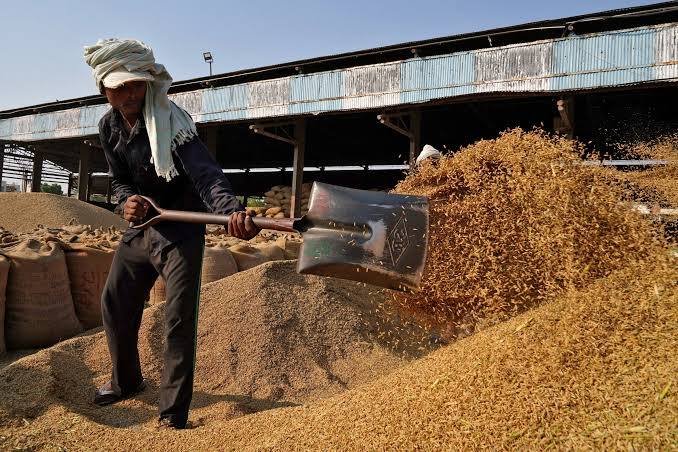
Rice is unusually sensitive to timing. A crop that is planted well but harvested under heavy rain can lose quality fast, and that affects everything from milling output to export grade. In Southeast Asia, where rice is both a staple food and a major trade commodity, the rainy season shapes every step of the supply chain. One week of intense flooding can change local farm economics, processing schedules, and international buyer confidence at the same time.
That fragility helps explain why the current round of strategy changes is drawing close attention. Exporters are not simply reacting to a single bad weather event. They are preparing for a pattern of volatility that may recur year after year. The goal is to protect revenue without causing panic in the global market, a difficult balance when food security concerns can rise quickly in importing nations.
How pricing models are shifting
One of the most visible changes is the way exporters are pricing new contracts. Rather than relying on fixed assumptions about volume and freight timing, many are building in wider buffers for weather related disruptions. That can mean higher quotes, shorter contract windows, or clauses that allow for shipment adjustments if harvest conditions worsen. Buyers may not like the added uncertainty, but exporters see it as a practical way to avoid losses if monsoon damage cuts supply unexpectedly.
These adjustments also reflect lessons from recent commodity markets, where climate shocks have repeatedly caught traders off guard. Food buyers now want more transparency around origin, shipping schedule, and stock levels. In response, exporters are using more frequent market updates and scenario planning to keep customers informed. The result is a more defensive but potentially more resilient trade environment.
What this means for global consumers
Rice remains a daily necessity for much of Asia, Africa, and parts of the Middle East, so changes in export strategy can have effects far beyond the countries that grow the crop. If exporters reduce sales commitments or raise prices to protect against risk, importers may face tighter budgets and smaller inventories. That pressure can eventually show up in retail prices, especially in markets that depend heavily on imported grain.
For households already coping with high food costs, even modest increases can matter. Rice is often the anchor of an entire meal, which means price changes ripple through shopping baskets in a way that is both immediate and deeply personal. When traders talk about volatility, families often hear something simpler and more urgent: whether they can keep buying the foods they rely on every week.
Weather, policy, and food security
The monsoon is not the only factor shaping rice supply, but it is one of the most important. Producers are increasingly pairing weather monitoring with policy measures that can soften the impact of poor harvests. Some governments are reviewing reserve levels, export guidance, and domestic stock release plans to avoid abrupt market stress. Others are encouraging farmers to adopt better drainage, more resilient seed varieties, and improved planting schedules to reduce exposure to flood and drought cycles.
At the international level, the situation has renewed discussion about how food security systems should adapt to climate volatility. A more resilient rice market depends on better forecasting, stronger infrastructure, and clearer communication between suppliers and buyers. Organizations such as the Food and Agriculture Organization track global crop and trade conditions, while the World Bank has studied the economic effects of food price shocks on vulnerable populations.
Why Southeast Asia matters so much
Southeast Asia sits at the center of the rice trade because it combines major producing capacity with established export networks. That makes decisions in the region especially influential when weather turns unstable. If a leading producer trims export forecasts, the market does not just notice. It recalculates supply assumptions across continents.
That influence gives exporters both power and responsibility. On one hand, they can help prevent panic by communicating clearly and pacing sales. On the other, sudden policy shifts or sharp reductions in supply can create swift price spikes in importing countries. The current strategy shift suggests that governments and trading firms want to avoid those shocks by acting early, even if that means accepting lower near term margins.
Signals to watch next
The most important near term indicators will be rainfall patterns, harvest reports, port throughput, and any changes in export licensing or quota guidance. Traders will also watch whether importers begin seeking alternative suppliers or drawing down reserves. If weather improves and crops stabilize, some of the current caution may ease. If storms intensify or floods spread, exporters may become even more conservative.
For policymakers, the challenge is to support farmers without destabilizing consumers. For buyers, the challenge is to secure supply without overpaying for panic driven contracts. And for households, the question is simpler still: whether the world’s most widely eaten staple can remain affordable in a year when climate pressure is increasingly visible at the farm gate.
Bottom line for readers
The new trade strategy is a reminder that food markets are now being shaped as much by climate risk as by harvest size or transport costs. Rice exporters in Southeast Asia are trying to keep the market steady before weather forces a disruption, and that early caution may prove valuable if the monsoon turns severe. The next few months will show whether those adjustments help cushion the global food system or merely mark the first move in a more volatile season.