A severe heatwave pushed temperatures above 40 degrees Celsius across parts of Central and Southern Europe on August 7, 2026, prompting the highest heat alerts in major tourist destinations and forcing travel operators to rethink daily itineraries. Authorities urged residents and visitors to avoid direct sunlight during the hottest hours, while international agencies warned travelers to prepare for dangerous heat, transport disruption, wildfire risk and sudden changes to sightseeing schedules.
Red alerts reach major tourist cities
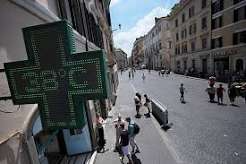
Italy placed all 27 cities monitored through its national heat surveillance system under the highest alert level on Thursday, marking the first time this year that the entire network had entered the red category at the same time. The warning applies to the general population, not only older adults, infants and people with chronic illnesses.
Temperatures in several Italian cities approached 40 degrees Celsius. Forecast highs included 40 degrees in Latina, 39 degrees in Florence and Naples, 38 degrees in Rome and Milan, and 37 degrees in Venice and Palermo. Those figures may sound manageable to travelers accustomed to summer heat, but prolonged exposure becomes dangerous when high temperatures continue overnight and city streets offer little shade.
The heatwave also reached Central Europe with exceptional force. Slovakia recorded an all time national temperature record of 42.2 degrees Celsius, while Austria reached 41.2 degrees in Bad Deutsch Altenburg. Rivers, railways, roads and power systems across parts of the region faced added pressure as the hot, dry conditions continued.
[independent.co](https://www.independent.co.uk/travel/news-and-advice/europe-heatwaves-wildfires-italy-holiday-b3029235.html)
For travelers standing on sunlit stone near an old city square, the danger can arrive quietly. A dry mouth, a pounding headache or unusual fatigue may appear before a person recognizes that the body is overheating. Crowded transport, limited shade and long queues outside landmarks can turn a pleasant day into a medical emergency.
Tour schedules move away from midday
Tour companies and local tourism providers adjusted programs in response to the alerts. Outdoor walking tours were moved toward early morning and evening where possible, while some operators shortened routes, increased rest stops or replaced exposed attractions with museums and indoor venues.
Italy’s ministries of tourism and culture extended evening opening hours at landmarks such as Rome’s Colosseum and Pantheon. Cooling mist fans were installed near Colosseum entrances, and additional medical stations were made available to support visitors. The changes show how destinations are adapting the traditional sightseeing day to weather that can make midday travel unsafe.
[euronews](https://www.euronews.com/my-europe/2026/08/06/europe-heatwave-puts-all-major-italian-cities-on-red-alert-as-austria-sets-heat-record)
Travelers should not assume that a confirmed tour will run exactly as advertised. Guides may change meeting points, remove a stop, delay departure or cancel a walk when local authorities raise the alert level. Visitors who have booked excursions should monitor messages from the operator and keep enough flexibility to accept a revised schedule.
What may change during a trip
- Walking tours may begin before sunrise or after sunset.
- Outdoor attractions may introduce timed entry, shaded queues or evening hours.
- Ferries, trains and buses may face delays caused by heat or infrastructure limits.
- Wildfire smoke may lead to road closures or changes to excursions.
- Hotels and tour companies may recommend indoor alternatives during peak heat.
These adjustments are not signs that every destination is closed. They are practical efforts to protect visitors while allowing travel to continue under safer conditions.
Health advice for visitors
Public health authorities urged people to avoid direct sunlight between approximately 11 in the morning and 6 in the evening, especially during the most severe alert periods. Tourists should drink water regularly, take frequent breaks in shaded or air conditioned places and avoid alcohol when spending extended time outdoors.
Light clothing, a wide brimmed hat, sunglasses and sunscreen can reduce sun exposure, but they do not make prolonged activity safe during the hottest part of the day. Travelers should plan outdoor visits for the early morning or evening and carry water whenever they leave their accommodation.
People taking prescription medicine should ask a doctor or pharmacist whether extreme heat can affect their condition or treatment. Older adults, young children, pregnant people, individuals with heart or lung disease and anyone working outdoors face a higher risk of heat illness.
Recognizing an emergency
Heat exhaustion may cause heavy sweating, weakness, dizziness, nausea, headache and muscle cramps. Heatstroke is more serious and can involve confusion, fainting, seizures, hot skin or a loss of sweating. A person showing signs of heatstroke needs urgent medical attention. Call the local emergency number, move the person into a cooler place and do not leave them alone while help is on the way.
Travelers can check current regional warnings through Meteoalarm’s European weather alert service and should also review advice from their own government before departure. A forecast for a country is not enough because conditions can differ sharply between a coastal city, a mountain route and an inland valley.
Wildfires add another layer of risk
Extreme heat has been accompanied by drought, low water levels and wildfire danger across parts of Europe. France, the Balkans and other areas reported fire activity or elevated risk, while smoke and damaged roads created additional complications for travelers.
Visitors should avoid entering closed forest areas, crossing barriers or approaching a fire to take photographs. Smoke can travel far beyond the visible flames and may affect people with asthma or other respiratory conditions. A destination can remain open while a nearby road, hiking trail or national park is closed with little notice.
Anyone staying in a wildfire risk area should know the hotel’s evacuation procedure, keep a charged phone nearby and follow instructions from local emergency officials. Travelers should also make sure their insurance covers interruption caused by natural disasters, because ordinary cancellation terms may not cover every weather related disruption.
Transport networks feel the pressure
Heat can strain rail lines, electrical systems, roads and river transport. Low water levels on the Danube have affected shipping, while heat related stress across the region has raised concerns about energy demand and transport reliability. Even when a train or flight operates normally, a delay earlier in the day can disrupt connecting services.
We recommend keeping essential medicines, drinking water, identification documents and a phone charger in hand luggage rather than placing everything in checked baggage. Travelers with tight connections should allow extra time and confirm departure information directly with airlines, rail companies or tour operators before leaving a hotel.
When a delay occurs, remain in a cooled indoor space if possible. Crowded platforms and unshaded roadside stops can become dangerous quickly, particularly for people who have already spent hours sightseeing.
Should travelers cancel their plans?
The heatwave does not automatically make every European trip unsafe, but it does require a different approach to planning. A traveler who expects to walk for eight hours under a cloudless sky may need to change the schedule, while someone with flexible transport, a cool hotel and indoor alternatives may be able to continue comfortably.
Before traveling, check the latest local warning, confirm whether attractions are changing their hours and ask the accommodation provider about cooling facilities. Travelers with medical conditions should discuss the trip with a healthcare professional and carry enough medicine for delays.
The World Health Organization provides broader public health guidance, while national meteorological services and local authorities remain the best sources for immediate instructions. Social media posts can spread outdated forecasts, so visitors should verify urgent information through official channels.
A new reality for summer tourism
The current disruption is a reminder that extreme heat is no longer only a background feature of the European summer. It can shape opening hours, travel routes, public health planning and the basic rhythm of a holiday. A famous landmark may be beautiful at noon, but during a red alert the safer memory may come from seeing it in the quiet light of evening.
Travel remains possible, but responsible planning now means treating weather as seriously as passports, bookings and transport tickets. By moving strenuous activities away from peak heat, carrying water, watching official alerts and respecting local closures, visitors can protect themselves while helping destinations manage pressure on emergency services.