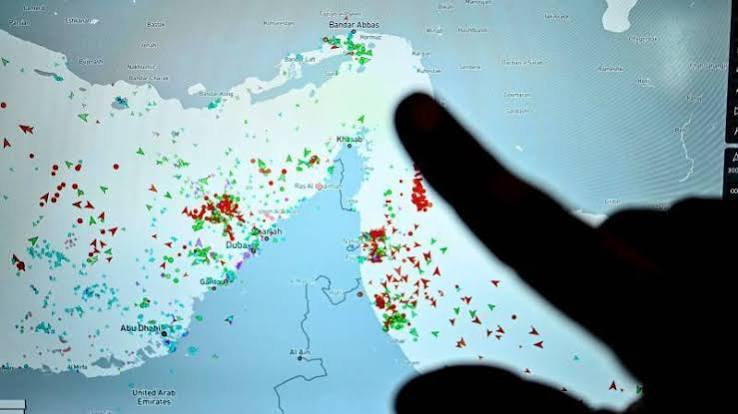
Global food supply chains and agricultural transport networks are adjusting to a change in Asian demand, easing pressure on some commodity corridors while forcing shippers to reconsider where cargo is sourced, stored and delivered. The same rebalancing is affecting petrochemical markets, where feedstock availability, vessel access and route security are reshaping decisions from refinery gates to manufacturing plants.
Demand changes ripple across the sea lanes
Shipping markets respond not only to the amount of cargo moving, but also to where that cargo is needed. When buyers in one Asian market reduce purchases, vessels may be redirected toward another destination, storage levels may rise at a regional port and exporters may seek alternative customers. A small change in demand can therefore alter freight prices, delivery schedules and the availability of containers across several countries.
That process is now visible in agricultural transportation and food supply networks. Importers are adjusting orders for grain, oilseeds, animal feed, edible oils and food ingredients as regional consumption patterns change. Some buyers are drawing down inventories accumulated during earlier periods of uncertainty, while others are purchasing closer to the time of use to avoid tying up cash in expensive storage.
The result is a more flexible but less predictable shipping environment. Freight operators are looking for cargoes that can fill available capacity, while food companies are trying to preserve delivery reliability without paying for routes they no longer need.
Petrochemical routes face a separate test
Petrochemical producers are also rethinking supply arrangements. Asian factories depend on imported feedstocks such as naphtha and liquefied petroleum gas to manufacture plastics, packaging materials, fibers and industrial chemicals. Disruptions around major maritime corridors can affect those inputs even when demand for finished products remains stable.
S and P Global reported that maritime constraints around the Strait of Hormuz reduced vessel and container availability and restricted exports of downstream products from several Asian origins. Its analysis of Asian petrochemical policy also described a market forced to consider more flexible sourcing and greater regional resilience.
[spglobal](https://www.spglobal.com/energy/en/news-research/special-reports/chemicals/emerging-stronger-apic-2026/asia-adjusts-petrochemical-policies)
Industry data cited by SunSirs indicated that Asia has relied heavily on Middle Eastern naphtha moving through the strait, with a large share of that supply ultimately reaching Northeast Asia. That dependence makes route changes especially significant for producers that have designed their operations around regular feedstock deliveries.
[sunsirs](https://www.sunsirs.com/uk/detail_news-33443.html)
When the normal route becomes uncertain, a buyer may have to pay more for a longer voyage, use a different grade of feedstock or reduce production temporarily. Each choice can affect the price of packaging, household goods, automotive components and construction materials far beyond the original shipping lane.
Food logistics respond to a different clock
Agricultural transportation has its own pressures. Grain and oilseed shipments can often be stored for a period, but many food ingredients, chilled products and fresh commodities cannot wait indefinitely for a cheaper route. Delays can reduce quality, increase insurance costs and force importers to buy from a more distant supplier.
Food companies are therefore examining route reliability alongside freight rates. A lower price may not represent a saving if a shipment arrives too late for a processing schedule or misses a seasonal sales period. Procurement teams are placing greater value on visibility, backup suppliers and contracts that allow delivery plans to be adjusted when conditions change.
The Food and Agriculture Organization of the United Nations provides market and food security information that can help governments and businesses assess changing commodity conditions. Those assessments matter because transportation changes can affect not only private companies, but also the cost and availability of staple foods for households.
What importers are watching
Companies moving agricultural goods through Asian ports are monitoring several signals at once. No single number can explain the condition of a supply corridor, particularly when routes are changing at different speeds.
- Port congestion and the time required to receive containers.
- Vessel availability for dry bulk, liquid cargo and refrigerated shipments.
- Fuel prices, insurance charges and route related surcharges.
- Weather conditions that may affect harvests, ports or inland transport.
- Inventory levels in destination markets and the strength of local demand.
These indicators can help buyers decide whether to order early, divide a purchase among several suppliers or use a more expensive but more reliable service. They also allow food manufacturers to prepare consumers for temporary changes in product availability or price.
Longer routes change the economics
Rerouting can ease the pressure on one corridor while creating strain elsewhere. A vessel sent around the Cape of Good Hope may spend more days at sea, consume more fuel and remain unavailable for its next cargo. Additional sailing time can also reduce the number of voyages a ship completes in a year, tightening capacity even when the overall number of vessels has not changed.
Food ingredient shipments between Asia and Europe have faced longer journeys when carriers avoid the Red Sea and Suez Canal. Industry analysis has described additional sailing time, higher container costs and slower equipment cycles as consequences of the diversion.
[pinechemicalsasia](https://www.pinechemicalsasia.com/en/market-insights/the-red-sea-double-closure-and-food-ingredient-logistics-how-two-blocked-corridors-are-reshaping-europe-asia-supply-chains)
For petrochemicals, the effect can be even more complex because cargo may require specialized tankers, temperature controls or strict handling procedures. A longer route can increase the time that sensitive material remains in transit and may limit the number of suitable vessels available to buyers.
These costs eventually reach manufacturers and consumers. A packaging producer may pay more for resin, a food company may pay more for an ingredient and a retailer may carry more inventory to protect against delay. Even when commodity prices ease, transportation expenses can keep final prices elevated.
Regional sourcing gains new importance
The rebalancing is encouraging companies to examine suppliers closer to their factories and distribution centers. Regional sourcing cannot replace every imported commodity, but it can reduce the distance that some products travel and provide an alternative when a major route becomes unreliable.
Petrochemical companies are studying feedstock flexibility, local storage and production partnerships. Food manufacturers are reviewing domestic agriculture, nearby processing facilities and alternative ports. Governments are also examining strategic reserves and emergency transport plans for essential commodities.
Regional sourcing brings tradeoffs. Local suppliers may have higher production costs, limited volume or inconsistent quality. A company that relies on several small suppliers may also need more complex quality controls. The goal is not to abandon global trade, but to avoid making one route or one supplier responsible for the entire operation.
Technology helps, but cannot remove physical risk
Digital freight platforms are helping businesses track vessels, compare routes and monitor port conditions. Better data can show when a shipment is likely to arrive late and allow a company to adjust production or arrange a replacement order.
That visibility is valuable, but it cannot eliminate congestion, storms, conflict or a shortage of suitable ships. A tracking system may provide an accurate warning while offering no simple way to create new capacity. Businesses still need practical contingency plans that include alternate ports, approved suppliers and clearly assigned decision makers.
For food shipments, digital monitoring can also support temperature control and quality assurance. For petrochemical cargoes, it can help coordinate safety documentation, storage capacity and delivery windows. The technology works best when it is connected to trained people who can make decisions quickly.
A more cautious global supply chain
The changes taking place across Asian shipping corridors point to a supply chain that is becoming more deliberate. Buyers are balancing price against reliability, while carriers are balancing efficiency against the risk of committing ships to routes that may become unavailable.
Regional demand may have eased pressure on some commodity flows, but the underlying system remains exposed to route disruptions, weather events and uneven economic growth. A quieter market in one part of Asia does not guarantee lower costs everywhere. Cargo may simply be moving through a different port, on a different vessel or toward a different buyer.
For consumers, the adjustments may appear gradually in the price of food, packaging and everyday manufactured goods. For businesses, the decisions are more immediate: hold more stock, pay for a safer route or accept the possibility of delay. The companies best prepared for this environment will be those that understand their full network rather than focusing only on the final freight bill.
Asia’s petrochemical and food shipping routes are not being redrawn by one decision. They are being reshaped shipment by shipment as demand, risk and capacity change. That ongoing process may create a more resilient trading system over time, but it will require investment, transparency and a willingness to plan for several possible futures at once.