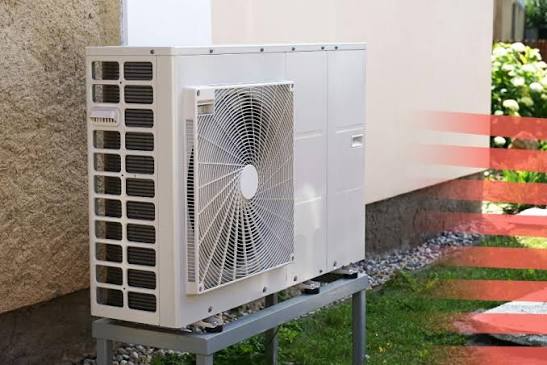
Homeowners around the world are choosing green energy upgrades at a record pace, driven by rising utility bills and federal climate incentives that make sustainable retrofits more affordable. Heat pumps, solar arrays, and high efficiency insulation are now the most requested improvements, reshaping renovation markets and lifting property valuations in regions where energy performance matters to buyers.
[ecb.europa](https://www.ecb.europa.eu/press/blog/date/2026/html/ecb.blog20260805~cdb927b992.en.html)
Why demand is surging now
Utility cost pressures are the immediate trigger. When energy prices climb, households feel the pinch in monthly bills and start looking for ways to cut consumption. The European Central Bank noted that after reported utility costs grew faster, more households opted for energy efficiency renovations, with the share of energy renovated dwellings jumping notably in 2024 and again in 2026.
[ecb.europa](https://www.ecb.europa.eu/press/blog/date/2026/html/ecb.blog20260805~cdb927b992.en.html)
Government support is accelerating the trend. In the United States, federal energy tax credits for solar panels, heat pumps, and other clean energy equipment ran through 2025, allowing homeowners to claim up to 3,200 dollars per year for qualified improvements. Even as some programs sunset, the message has stuck: upgrading now can lock in lower operating costs and higher resale value.
[turbotax.intuit](https://turbotax.intuit.com/tax-tips/home-ownership/energy-tax-credit-which-home-improvements-qualify/L5rZH56ex)
Equipment costs are also falling. Manufacturers have scaled production of heat pumps and solar systems, bringing prices down and shortening payback periods. The International Energy Agency projects that global heat pump sales will continue to grow, with installations rising from 180 million units in 2020 to around 600 million by 2030, covering roughly 20 percent of building heating needs.
[jnodenergy](https://www.jnodenergy.com/sustainable-heating-heat-pump-how-the-market-is-changing-in-2026/)
Heat pumps take center stage
Heat pumps are the star of the current renovation wave. These systems move heat rather than generating it by burning fuel, making them three to four times more efficient than traditional fossil fuel boilers. In Europe, heat pump sales rose 17 percent year on year in the first quarter of 2026, even as some countries scaled back subsidies.
[iea](https://www.iea.org/reports/the-future-of-heat-pumps)
For homeowners, the appeal is practical. A heat pump can provide both heating and cooling from a single unit, reducing the need for separate systems. In milder climates, air source heat pumps can meet most heating demand, while ground source models offer higher efficiency in colder regions. The result is lower energy bills, reduced carbon emissions, and more consistent indoor comfort.
[iea](https://www.iea.org/reports/installation-of-about-600-million-heat-pumps-covering-20-of-buildings-heating-needs-required-by-2030)
Installation volumes reflect the shift. The IEA estimates that monthly heat pump installations in individual buildings are forecast to rise from 1.5 million currently to around 5 million by 2030. That growth is concentrated in emerging economies, where rising incomes and hotter climates coincide, but advanced economies are also seeing strong uptake as building codes tighten.
[heatpumpingtechnologies](https://heatpumpingtechnologies.org/articles/iea-etp-2026-released-highlights-the-important-role-of-heat-pumping-technologies/)
Solar arrays and insulation round out the package
Solar photovoltaic systems are another key driver. Rooftop solar allows households to generate their own electricity, offsetting grid purchases and, in some cases, feeding surplus power back into the network. When paired with battery storage, solar arrays can provide backup power during outages and help manage peak demand charges.
[ecb.europa](https://www.ecb.europa.eu/press/blog/date/2026/html/ecb.blog20260805~cdb927b992.en.html)
Insulation is the quiet partner that makes everything else work better. Heat pumps cannot function efficiently in a leaky building, so upgrading the building envelope is often the first step in a deep retrofit. Better insulation, sealed air leaks, and high performance windows can cut heat loss by up to two thirds, allowing smaller, cheaper heating systems to do the job.
[edisongroup](https://www.edisongroup.com/thematic/edison-explains-europes-ageing-buildings/BM-3748/)
In Germany, 64,000 households and businesses sought funding between March and May 2026 to renovate their building envelope, 16 percent more than in the same period a year earlier. Funding requests for heating investments increased by as much as 40 percent, showing that homeowners are tackling both insulation and heating in coordinated upgrades.
[ecb.europa](https://www.ecb.europa.eu/press/blog/date/2026/html/ecb.blog20260805~cdb927b992.en.html)
How upgrades affect property values
Energy efficient homes are commanding higher prices in many markets. Buyers are willing to pay more for properties with lower operating costs, modern heating systems, and renewable energy features. In regions where energy performance certificates are required for sale or rental, homes with better ratings sell faster and at a premium compared to similar properties with poor efficiency.
[edisongroup](https://www.edisongroup.com/thematic/edison-explains-europes-ageing-buildings/BM-3748/)
Appraisers and lenders are starting to factor energy performance into valuations. A home with a heat pump, solar panels, and upgraded insulation may qualify for green mortgage products with lower interest rates, further boosting affordability and demand. For sellers, investing in these upgrades before listing can yield a strong return, especially in competitive markets where buyers compare total cost of ownership, not just purchase price.
[ecb.europa](https://www.ecb.europa.eu/press/blog/date/2026/html/ecb.blog20260805~cdb927b992.en.html)
What homeowners should consider before upgrading
If you are thinking about a green retrofit, start with an energy audit. A professional assessment will identify the biggest sources of heat loss and recommend the most cost effective improvements. In many cases, sealing air leaks and adding insulation will deliver the fastest payback, followed by a heat pump replacement and, if roof space allows, a solar array.
[edisongroup](https://www.edisongroup.com/thematic/edison-explains-europes-ageing-buildings/BM-3748/)
Next, check available incentives. Federal and state programs may offer tax credits, rebates, or low interest loans for qualified equipment. In the United States, the Residential Clean Energy Tax Credit covered solar, wind, geothermal, and fuel cell technology through 2025, while the Energy Efficient Home Improvement Credit provided up to 3,200 dollars per year for heat pumps and other upgrades. Similar programs exist in Europe and other regions, often tied to national building renovation plans.
[turbotax.intuit](https://turbotax.intuit.com/tax-tips/home-ownership/energy-tax-credit-which-home-improvements-qualify/L5rZH56ex)
Finally, plan for the long term. A heat pump or solar system is a 15 to 25 year investment, so choose equipment with strong warranties and reputable installers. Consider how your needs may change, such as adding an electric vehicle charger or expanding living space, and size your system accordingly.
[independent](https://www.independent.ie/irish-news/heat-pumps-and-electric-car-chargers-blamed-for-delays-connecting-renovated-homes-to-the-grid/a/159601757.html)
Challenges and bottlenecks to watch
Demand is outpacing supply in some areas. Installers report backlogs for heat pumps and solar systems, and some homeowners face delays connecting upgraded homes to the grid. In Ireland, for example, ESB Networks noted that local power supplies sometimes need upgrades to cope with modern demands from heat pumps and electric car chargers.
[independent](https://www.independent.ie/irish-news/heat-pumps-and-electric-car-chargers-blamed-for-delays-connecting-renovated-homes-to-the-grid/a/159601757.html)
Skilled labor is another constraint. Retrofitting older buildings requires expertise in insulation, air sealing, and system integration. Training programs are expanding, but it will take time to build a workforce large enough to meet renovation targets. Homeowners should vet contractors carefully and ask for references from similar projects.
[edisongroup](https://www.edisongroup.com/thematic/edison-explains-europes-ageing-buildings/BM-3748/)
Policy uncertainty can also slow momentum. Some countries have scaled back subsidies or changed eligibility rules, creating confusion about which upgrades qualify for support. Staying informed about current programs and deadlines helps avoid missed opportunities.
[heatpumpingtechnologies](https://heatpumpingtechnologies.org/articles/heat-pumps-hold-firm-as-electrification-reaches-a-record-share-of-energy-investment-insights-from-iea-world-energy-investment-2026/)
Regional highlights and policy direction
Europe is leading the push for deep renovation. The revised Energy Performance of Buildings Directive sets minimum energy performance standards for non residential buildings and requires average primary energy use to fall by at least 16 percent by 2030. Fifteen of 27 member states had submitted draft National Building Renovation Plans by July 2026, with the rest due by year end.
[edisongroup](https://www.edisongroup.com/thematic/edison-explains-europes-ageing-buildings/BM-3748/)
In the European Union, 2026 is a decisive year for the NextGenerationEU Recovery and Resilience Facility. Of its 577 billion euros in funds, around 270 billion euros remained to be allocated by early 2026, with at least 37 percent of spending required to support climate objectives. Much of that funding is being directed toward building renovations, heat pump deployment, and upgrades to social housing.
[heatpumpingtechnologies](https://heatpumpingtechnologies.org/articles/heat-pumps-hold-firm-as-electrification-reaches-a-record-share-of-energy-investment-insights-from-iea-world-energy-investment-2026/)
In the United States, the focus has been on tax incentives and appliance standards. The Inflation Reduction Act and related measures extended credits for clean energy equipment through 2025, encouraging a wave of installations before the deadline. States are also adopting stricter building codes that favor electric heating and high efficiency envelopes.
[turbotax.intuit](https://turbotax.intuit.com/tax-tips/home-ownership/energy-tax-credit-which-home-improvements-qualify/L5rZH56ex)
What to expect in the next few years
The renovation wave is likely to continue as long as energy prices remain elevated and policy support persists. The IEA expects heat pumps to become a dominant heating technology in buildings by 2035, especially in advanced economies. Market value for heat pumps is projected to grow at around 2.5 percent annually to 2035 in conservative scenarios and 6.5 percent annually in more aggressive ones.
[heatpumpingtechnologies](https://heatpumpingtechnologies.org/articles/iea-etp-2026-released-highlights-the-important-role-of-heat-pumping-technologies/)
For homeowners, the window to lock in incentives and favorable pricing may narrow as demand grows. Acting sooner rather than later can secure better terms and ensure that upgrades are completed before peak seasons, when installer schedules fill up.
[jnodenergy](https://www.jnodenergy.com/sustainable-heating-heat-pump-how-the-market-is-changing-in-2026/)
For detailed data on heat pump markets and policy conditions, the IEA Heat Pump Monitor provides a comprehensive, data driven assessment of global and regional trends.
[iea](https://www.iea.org/reports/heat-pump-monitor-2026)
How this affects everyday households
If you are weighing a renovation, think beyond the upfront cost. A heat pump or solar array may require a significant investment, but the combination of lower utility bills, potential tax credits, and higher resale value can make the economics compelling. Many households find that monthly savings on energy bills help offset loan payments, improving cash flow over time.
[ecb.europa](https://www.ecb.europa.eu/press/blog/date/2026/html/ecb.blog20260805~cdb927b992.en.html)
There is also a comfort benefit. Better insulation and modern heating systems create more stable indoor temperatures, fewer drafts, and improved air quality. For families with children or older adults, that can mean better health and fewer disruptions during extreme weather.
[edisongroup](https://www.edisongroup.com/thematic/edison-explains-europes-ageing-buildings/BM-3748/)
The global surge in green energy upgrades is more than a market trend. It is a response to real financial pressure and a clear signal that sustainable homes are becoming the norm. Heat pumps, solar arrays, and high efficiency insulation are leading the way, driven by utility cost pressures and federal climate incentives. For homeowners willing to invest now, the payoff comes in lower bills, higher property values, and a more comfortable place to live.