On October 8, 2026, Suno AI’s reported appointment of a former Live Nation executive to lead its global live music strategy put a fresh spotlight on the company’s ambitions beyond AI generated recordings. The move comes as the music technology company faces continuing legal scrutiny from record labels over how artificial intelligence systems are trained and used to create music. For Suno, building a presence in live entertainment could open a new path to audiences and artists. It also raises a central question for the music industry: can a company at the center of a copyright dispute establish lasting relationships with the very creative community whose work has helped define modern music?
Why Suno AI Is Looking Beyond AI Generated Songs
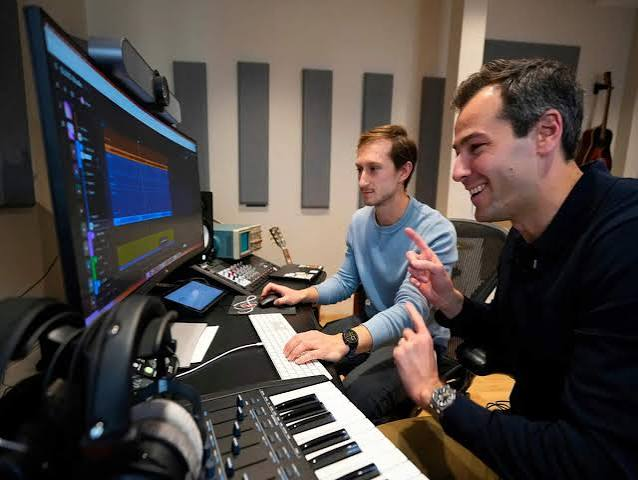
Suno has become known for software that allows users to generate songs from written prompts. A person can describe a musical style, mood, subject, or arrangement and receive a generated track without necessarily playing an instrument or having traditional recording experience. That accessibility has helped bring AI music generation into conversations about creativity, production costs, and the future of songwriting.
Live music presents a different challenge. A generated recording can be created and distributed digitally, but a concert requires performers or other forms of entertainment, suitable venues, event planning, audience development, and relationships with local partners. A global live strategy could involve exploring events, partnerships, artist collaborations, promotional opportunities, or experiences built around AI generated music. However, the appointment alone does not establish which of these activities Suno intends to pursue.
The reported hiring signals that Suno may be considering how its technology could fit into the wider music business rather than remaining focused on the creation of digital tracks. That would put the company in a field where trust, reputation, and relationships often matter as much as technology. Fans want memorable performances, artists want fair treatment, and promoters need events that can attract audiences while meeting commercial and operational requirements.
What a Former Live Nation Executive Could Bring
Experience at Live Nation could be valuable to a company seeking to understand the practical realities of live entertainment. The concert business operates through a network of artists, managers, promoters, venues, ticketing services, sponsors, and local production teams. Each relationship can affect whether an event is financially viable and whether the audience has a positive experience.
An executive familiar with that environment may bring knowledge of event strategy, commercial partnerships, audience development, and the coordination required to deliver performances across different markets. International expansion also involves adapting to local regulations, venue availability, audience preferences, and cultural expectations. A strategy that works in one country may need significant changes before it can succeed elsewhere.
For Suno, this kind of expertise could help translate an ambitious technology concept into practical entertainment projects. Yet a senior appointment does not guarantee access to established artists, major venues, or international touring networks. Those relationships must be developed, and the company will need to show potential partners that working with an AI music business can produce credible benefits without creating unacceptable legal or reputational risks.
The Legal Dispute Remains a Major Challenge
Suno’s growth has unfolded alongside a wider legal debate over the use of copyrighted music in artificial intelligence training. Record labels have challenged AI music companies over whether their systems use protected recordings without the necessary permission. At the heart of the dispute are questions about copyright law, licensing, and the rights of musicians and other creators when technology companies develop commercial products using large collections of existing music.
These issues matter because recorded music is not simply raw material for a software system. Songs and recordings reflect the work of writers, composers, singers, musicians, producers, and engineers. Rights holders argue that the legal and commercial frameworks governing those works must remain meaningful as new technologies enter the market. AI companies, meanwhile, face pressure to explain how their systems operate and what permissions or safeguards apply.
The broader dispute has implications for the future of AI generated music, although its precise legal outcome and commercial consequences cannot be assumed in advance. Licensing agreements, court decisions, and negotiations could shape which training practices are acceptable, how generated music can be commercialized, and whether established music companies are willing to cooperate with AI developers.
Readers seeking broader context on copyright and intellectual property can consult the World Intellectual Property Organization, which provides information on international intellectual property issues and the relationship between creative work and emerging technology.
Why Live Entertainment Creates Both Opportunity and Risk
Live entertainment may offer Suno a way to build a more direct connection with music listeners. A performance or event can turn an unfamiliar technology into an experience that people can discuss, share, and remember. It may also provide a setting for experimentation with new formats, audience participation, and collaborations between human performers and AI tools.
But live events also bring AI music into a highly visible public environment. Questions that might seem abstract when discussing software become immediate when an artist stands on stage, a ticket buyer pays for a show, or a promoter decides whether to attach a reputation to a project.
Several issues are likely to influence whether a live strategy can gain traction:
- Artist participation: Established and emerging musicians will want clarity about how their work, names, voices, and creative identities are used.
- Rights and licensing: Organizers may need to establish who owns or controls the music performed and what permissions are required.
- Audience expectations: Fans should understand whether a performance features human musicians, AI generated material, or a combination of the two.
- Commercial partnerships: Venues, sponsors, promoters, and ticketing partners will weigh potential returns against legal uncertainty and public perception.
- International requirements: Events across different countries may face distinct rules, contractual obligations, and local expectations.
These considerations do not mean AI has no place in live music. They show why successful adoption will depend on transparency and cooperation, not just the ability to generate a convincing song.
How Musicians Could Be Affected
For working musicians, AI music presents a complicated mix of opportunity and concern. Some creators may welcome tools that help them explore arrangements, test ideas, or develop material more quickly. Independent artists with limited budgets may also see potential in accessible production technology. At the same time, musicians may worry about competition, unauthorized imitation, and whether AI generated content could reduce demand for certain kinds of commissioned work.
Live performance has traditionally offered musicians a way to establish a personal connection with fans. The sound of a room responding to a chorus, the imperfections of a spontaneous performance, and the interaction between performers are difficult to reduce to a digital file. Even as AI tools become more capable, audiences may continue to value the human presence and shared experience associated with concerts.
Suno’s live ambitions could therefore be judged partly by how the company treats musicians. Transparent agreements, meaningful consent where required, clear attribution, and fair compensation could help establish trust. Conversely, unclear ownership or the appearance of exploiting existing artists without adequate permission could make partnerships harder to secure.
What the Appointment Could Mean for the Wider Music Industry
The reported appointment arrives during a period when established entertainment companies are deciding how to respond to generative AI. Some may view the technology as a useful production tool, while others may see it as a source of competition or legal exposure. Many will likely distinguish between applications that assist human creators and systems that generate music using methods they believe require further legal scrutiny.
Live entertainment could become a testing ground for these competing approaches. A concert featuring AI generated material, for example, would require organizers to consider more than the technical quality of the songs. They would need to establish the source of the material, determine the relevant rights, explain the concept to audiences, and decide how participating artists should be credited and paid.
For established promoters, the question is whether such events can attract paying audiences while meeting the expectations of performers and rights holders. For AI companies, the challenge is to demonstrate that technological experimentation can coexist with responsible commercial practices. The outcome could influence whether the industry develops collaborative business models or becomes more divided over the use of generative tools.
What to Watch as Suno Develops Its Strategy
The significance of the reported hiring will become clearer as Suno reveals more about its plans. The executive’s responsibilities, the partnerships the company pursues, and the types of events it considers will offer a better indication of whether the strategy focuses on concerts, promotional collaborations, new performance formats, or another area of live entertainment.
Several developments deserve attention in the months ahead:
- Public announcements: Specific projects and partnerships would help clarify how Suno intends to enter the live entertainment market.
- Artist relationships: Collaboration with musicians and their representatives could indicate whether the company is building a model based on participation and agreed terms.
- Legal developments: Court rulings, settlements, and licensing agreements could affect the commercial options available to Suno and similar companies.
- Audience response: Ticket sales, public discussion, and repeat attendance would help show whether listeners see value in AI related live experiences.
Until concrete plans are announced, it would be premature to conclude that the appointment will lead to a global concert network or major artist partnerships. An executive hire can establish direction, but delivering a viable international strategy requires time, investment, and cooperation from people across the music business.
A Defining Moment for AI and Live Music
Suno’s reported decision to bring in a former Live Nation executive reflects a potentially important shift in how an AI music company approaches the entertainment industry. Rather than concentrating exclusively on the technology used to create songs, the company appears to be exploring how it might participate in the wider business of bringing music to audiences.
The opportunity is substantial, but so is the responsibility. Live entertainment depends on relationships between creators, organizers, venues, and fans. If AI companies want a durable role in that environment, they will need to address copyright concerns, communicate clearly about their technology, and demonstrate respect for the people whose creative work sustains the industry.
The legal scrutiny surrounding Suno remains an important part of that story. Its global live strategy will not be judged solely by the scale of its ambitions or the experience of its leadership. It will also be judged by the partnerships it can build, the rights it respects, and the confidence it earns from artists and audiences.
For now, the reported appointment marks a development worth watching rather than proof that Suno has resolved its challenges. The next phase will show whether the company can turn its interest in live entertainment into a credible business strategy while navigating the unresolved questions at the intersection of artificial intelligence, copyright, and music creation.