Diplomatic efforts to end the war in Gaza entered a potentially decisive phase on August 17, 2026, as US Middle East envoy Jared Kushner held high level discussions with Israeli and Palestinian representatives in an effort to revive a US backed peace plan. The meetings come as international mediators search for a durable ceasefire, the disarmament of armed groups, Israeli military withdrawal and a workable framework for Gaza’s future governance and reconstruction.
Kushner Moves Between Hamas and Israeli Leadership
Kushner’s latest diplomatic mission has placed him at the center of an unusually direct effort to bridge the gap between Hamas and the Israeli government. After meeting Hamas leader Khalil al Hayya in Egypt, Kushner traveled to Jerusalem for discussions with Israeli Prime Minister Benjamin Netanyahu. The sequence of meetings reflects the central problem facing negotiators: both sides have expressed interest in an eventual end to the fighting, but they remain deeply divided over the order and conditions under which the plan should be implemented.
We should view the talks not simply as another round of negotiations, but as an attempt to determine whether a broader political framework can survive the realities on the ground. Reports from the meetings indicate that discussions have focused on Hamas disarmament, Israeli troop withdrawals, humanitarian assistance, governance and the reconstruction of Gaza.
The White House has previously described its Gaza framework as a comprehensive plan intended to establish a transitional governing structure, support reconstruction and create an international security mechanism. Jared Kushner is among the members of the Gaza Executive Board established under the US backed framework. The White House statement on the comprehensive Gaza plan outlines the proposed roles of the transitional administration, international stabilization forces and reconstruction mechanisms.
The Central Dispute Is the Order of Disarmament and Withdrawal
The most difficult question remains deceptively simple: who moves first?
Israel has insisted that Hamas must be fully disarmed before Israeli forces withdraw from Gaza. Hamas, meanwhile, has sought guarantees concerning Israeli withdrawal and the implementation of the wider agreement before surrendering its weapons. That disagreement has repeatedly threatened to stall negotiations.
This sequencing problem matters because a ceasefire is only as durable as the commitments supporting it. If Israel believes that withdrawing first could leave it vulnerable to renewed attacks, its government faces powerful domestic pressure to maintain military control. If Hamas believes that disarming before receiving credible guarantees could leave Gaza without meaningful protection or political leverage, its leadership faces a similarly difficult calculation.
The diplomatic challenge therefore extends beyond arranging a temporary pause in fighting. Negotiators must create a sequence in which security guarantees, disarmament, troop movements, humanitarian access and political administration reinforce one another rather than become competing demands.
A Peace Plan That Goes Beyond the Battlefield
The US proposal is broader than a conventional ceasefire agreement. It is tied to the future administration and reconstruction of Gaza, with international participation envisioned in areas such as security, humanitarian relief and public services.
Earlier US planning for Gaza has included proposals for a transitional Palestinian administration supported by an international framework. The plan also envisions an International Stabilization Force and mechanisms designed to support demilitarization, humanitarian assistance and reconstruction.
That broader vision is significant because Gaza’s humanitarian crisis cannot be separated from the political negotiations. A ceasefire without reliable access to food, medicine, clean water, shelter and medical care would leave millions of civilians living under conditions of continued insecurity.
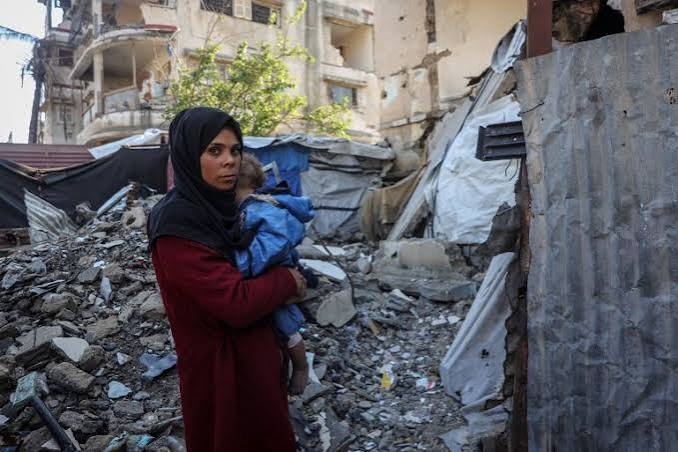
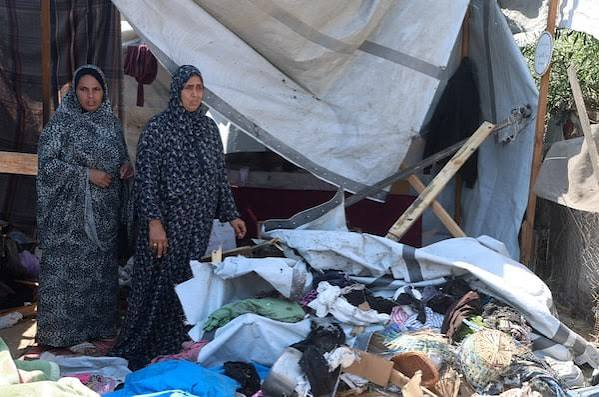
For families who have spent years moving between damaged neighborhoods, temporary shelters and overcrowded communities, the meaning of diplomacy is measured in very practical terms. It means whether children can sleep without the sound of explosions, whether hospitals can function, whether displaced families can return home and whether rebuilding can begin without another cycle of destruction.
Regional Mediators Remain Essential
The United States is not negotiating in isolation. Egypt, Qatar and other regional governments have played important roles in communication between the parties. Their involvement is particularly valuable because they can maintain channels with actors who may not communicate directly with Washington or Jerusalem.
Egypt has particular significance because of its geographic relationship with Gaza and its longstanding role in regional diplomacy. Qatar has also been involved in previous negotiations concerning Gaza and hostage arrangements. Turkey and Arab states have likewise sought to influence the diplomatic process and press for an end to the conflict.
Regional support could become even more important if a ceasefire agreement requires international monitoring, humanitarian coordination or financial commitments for reconstruction. A sustainable settlement will require cooperation well beyond the negotiating rooms where the immediate terms are being discussed.
International Pressure Is Growing
The renewed diplomacy comes amid growing international concern over the humanitarian and security consequences of the Gaza conflict. Governments across the Middle East and beyond have urged progress toward a permanent ceasefire and greater protection for civilians.
The international community also faces a difficult question about what happens after the guns fall silent. Gaza will require extensive rebuilding of housing, hospitals, schools, roads, water systems and other essential infrastructure. Reconstruction cannot be separated from questions about political authority, security and access.
Recent analysis by the UK Parliament House of Commons Library describes the proposed postwar governance structure and the role of the US backed Board of Peace in Gaza’s reconstruction and administration.
Why a Permanent Ceasefire Remains Difficult
A temporary ceasefire can sometimes be negotiated through limited concessions. A permanent settlement is considerably harder because it requires the parties to address the political issues that caused the conflict to persist.
For Israel, the overriding concern remains security and the prevention of another major armed attack. For Palestinians in Gaza, the immediate priorities include an end to military operations, freedom from displacement, humanitarian relief, reconstruction and a credible political future. For neighboring Arab countries, the stakes include regional stability, refugee pressures and the prevention of a wider conflict.
These interests overlap in some areas but collide sharply in others. That is why the current negotiations should not be judged solely by whether diplomats announce an agreement in the coming days. The real measure will be whether any agreement can withstand political pressure, military uncertainty and the profound mistrust that has accumulated over years of violence.
Humanitarian Relief Could Become the First Test
Even before a comprehensive political settlement is reached, humanitarian access can provide an immediate test of diplomatic progress. Reliable delivery of food, medicine, fuel and other essential supplies can reduce civilian suffering while negotiators work on more difficult security questions.
Humanitarian agencies also need predictable conditions to operate effectively. Hospitals require functioning supply chains. Aid workers need security. Displaced families need shelter and basic services. Reconstruction teams need access to damaged areas and a reliable system for coordinating materials and personnel.
For civilians, these details are not secondary issues. They are the difference between a ceasefire that exists on paper and one that produces a meaningful change in everyday life.
What Happens Next Could Define the Peace Process
The immediate task for Kushner and other negotiators is to determine whether the competing positions can be converted into a practical sequence of commitments. A workable arrangement would likely need clear provisions for disarmament, Israeli military withdrawal, humanitarian assistance, transitional governance and international monitoring.
- Hamas disarmament would need credible verification and enforcement mechanisms.
- Israeli withdrawal would need a timetable linked to measurable security conditions.
- Humanitarian assistance would need protected and predictable access throughout Gaza.
- A transitional governing structure would need sufficient legitimacy among Palestinians and support from regional and international partners.
- Reconstruction would require substantial funding, security guarantees and long term political stability.
None of these elements can easily stand alone. If security arrangements fail, reconstruction could be disrupted. If humanitarian access fails, public confidence in the ceasefire could collapse. If governance arrangements lack legitimacy, the political settlement could become unsustainable.
A Narrow Window for Diplomacy
The meetings of August 17 therefore carry significance beyond the individual participants. They represent an effort to prevent another diplomatic breakdown at a moment when the humanitarian and political costs of continued conflict remain immense.
We should remain cautious about declaring success before concrete commitments are implemented. Statements describing negotiations as productive are encouraging, but the hardest stage begins when political leaders must approve difficult compromises and military forces must translate those decisions into action.
Still, direct communication between senior US representatives, Hamas officials and Israeli leadership creates an opening that did not exist during periods of complete diplomatic paralysis. If that opening can be sustained, regional mediators and international partners may be able to build a framework that moves Gaza from repeated temporary pauses toward a more durable cessation of hostilities.
The Larger Question Is Gaza’s Future
The ultimate test of the Gaza peace effort will not be the language of a diplomatic document. It will be whether people living in Gaza experience a genuine change in their lives.
A lasting settlement would need to offer more than silence after years of fighting. It would need to provide security, humanitarian dignity, functioning institutions, reconstruction and a credible political horizon. For Israelis, it would need to provide confidence that armed attacks will not resume. For Palestinians, it would need to provide a future in which displacement and destruction are not permanent features of daily life.
Jared Kushner’s latest meetings have placed those questions back at the center of international diplomacy. Whether the US backed Gaza peace plan becomes a foundation for lasting stability or another proposal lost to political disagreement will depend on what happens after the negotiations leave the conference room.
For now, the opportunity is fragile. But in a conflict where every diplomatic opening has carried enormous human consequences, even a fragile opportunity deserves serious attention. The coming days will show whether the latest round of negotiations can convert political promises into a ceasefire that civilians can actually feel.