Eastern Europe entered a heightened state of vigilance on August 17, 2026, as international military observers tracked major defensive activity following mass long range drone strikes against critical regional hubs. The reported operations have placed air defence readiness, civilian protection and the security of vital infrastructure at the center of attention, reminding communities across the region how quickly a distant battlefield can become a direct security concern.
Eastern Europe Faces Another Test of Air Defence Readiness
The latest defensive maneuvers reflect the growing importance of air surveillance and interception capabilities across Eastern Europe. When large numbers of drones approach populated areas or strategic facilities, military commanders must identify threats quickly, determine their trajectories and coordinate defensive systems before an aircraft or missile reaches its intended target.
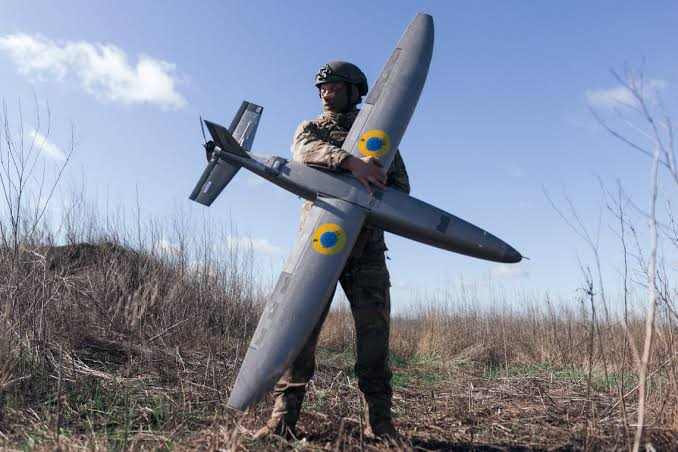
That process is considerably more complicated than simply detecting an object in the sky. Modern drone attacks can involve multiple aircraft arriving from different directions and at different altitudes. Some systems are designed to fly relatively slowly and close to the ground, making detection more difficult in certain environments. Others can travel long distances and threaten infrastructure far from the original launch area.
For countries situated close to the conflict zone, these challenges have become part of everyday security planning. Radar networks, fighter aircraft, surface based air defence systems and electronic countermeasures can all play a role in protecting cities and strategic facilities. The objective is not only to intercept incoming drones but also to identify potential threats early enough to reduce risks to civilians.
Why Mass Drone Strikes Create Such Difficult Defensive Problems
The scale of a drone attack can be just as important as the sophistication of the individual aircraft. A single incoming drone may be relatively manageable for an established air defence network. A large formation can create a much more demanding situation by forcing defenders to monitor many targets simultaneously.
This creates difficult decisions for military planners. High value air defence interceptors are expensive and limited in number, while many long range drones can be comparatively inexpensive to produce. Defenders therefore need layered systems that combine detection, electronic disruption and physical interception rather than relying on one method.
Critical infrastructure presents another challenge. Power stations, transportation facilities, communications centers, fuel installations and industrial sites can have enormous strategic importance while also being located near civilian populations. Protecting these sites requires careful coordination between military authorities, emergency services and local governments.
The Role of Early Warning Systems
Early warning remains one of the most valuable elements of modern air defence. The sooner an incoming object is detected, the more time authorities have to determine whether it represents a genuine threat and to select an appropriate response.
Radar installations can provide information about movement and altitude, while other surveillance technologies can help identify objects that are difficult to track through conventional radar alone. Information sharing between neighboring countries can further extend the warning window, particularly when an aircraft crosses national airspace or approaches from outside a country’s immediate surveillance area.
The NATO integrated air and missile defence system illustrates the broader principle of combining national capabilities with coordinated surveillance and command structures. Such cooperation becomes particularly valuable when several countries face related aerial threats at the same time.
Drone Warfare Is Changing the Security Calculation
The increased use of drones has altered the economics and tactics of modern warfare. Long range unmanned aircraft can threaten targets hundreds of kilometers away while requiring fewer personnel than conventional manned aircraft. Their relatively low operating cost can also allow an attacker to use large numbers of systems in an effort to overwhelm defensive networks.
For European defence planners, this means that air defence can no longer be viewed solely through the traditional lens of fighter aircraft and expensive missile systems. Smaller and more flexible technologies are becoming increasingly relevant, particularly systems designed specifically to detect and counter unmanned aircraft.
Electronic warfare can also play a role by interfering with navigation or communication systems. However, electronic countermeasures have limitations and must be carefully managed around civilian communications and critical infrastructure. The most effective defence is therefore likely to involve several complementary layers rather than one universal solution.
Protecting Civilians Remains the Central Concern
Behind every air defence operation are people listening for warnings and wondering whether the next sound in the night will be an emergency siren or an explosion. In cities near active conflict zones, these moments can produce profound anxiety even when defensive systems successfully intercept incoming threats.
Fragments from intercepted drones can still fall to the ground, potentially damaging buildings, vehicles and power infrastructure. That is why emergency preparedness remains essential even when an air defence network performs successfully. Firefighters, medical teams, police officers and local authorities must be prepared to respond to secondary effects immediately after an interception.
Residents also need clear and reliable information. Conflicting reports during an air attack can create unnecessary panic, while delayed warnings can expose people to avoidable danger. Public safety systems therefore remain an essential part of the broader defence structure.
Critical Infrastructure Is a Strategic Target
The reported strikes against important regional hubs highlight another concern: infrastructure. Modern societies depend on interconnected systems that can be vulnerable to disruption even when physical damage appears limited.
An attack affecting electricity generation, transportation or communications can create consequences far beyond the immediate impact area. Power interruptions can affect hospitals and water systems. Transportation disruptions can interfere with emergency responses. Damage to communications infrastructure can make it harder for authorities to provide accurate public information.
For this reason, European governments have increasingly focused on resilience as well as interception. The objective is not simply to prevent every attack, which may be impossible, but to ensure that essential services can continue operating when attacks occur.
Europe Is Building a More Integrated Defensive Posture
The latest maneuvers also demonstrate why air defence cooperation has become such a significant part of European security planning. Air threats do not respect political borders. A drone approaching one country may have traveled through or near the airspace of another, making regional information sharing critical.
European governments have been investing in radar coverage, air defence systems, counter drone technology and military mobility. These investments are designed to strengthen national security while improving coordination among neighboring states.
The European Union’s security and defence policy reflects this broader effort to develop stronger European capabilities while maintaining close cooperation with NATO. The challenge for policymakers is ensuring that these investments produce practical capabilities rather than fragmented systems that cannot communicate effectively during a crisis.
What the Latest Defensive Operations Could Mean
The immediate significance of the reported operations lies in what they reveal about the changing security environment. Large scale drone attacks require rapid decisions, extensive surveillance and close cooperation between military and civilian authorities.
Several priorities are likely to remain at the center of European defence planning:
- Expanding early warning and radar coverage across vulnerable areas.
- Increasing the availability of affordable counter drone systems.
- Improving coordination between military forces and emergency services.
- Protecting energy, transportation and communications infrastructure.
- Strengthening cross border information sharing and airspace monitoring.
These measures do not eliminate the threat, but they can reduce the likelihood that a single attack will produce widespread disruption.
A Broader Test of European Resilience
We should view the latest air defence activity not only as a military response but also as a test of national resilience. The effectiveness of a country’s security system depends on more than the number of interceptors it possesses. It depends on how quickly information moves, how accurately threats are identified, how effectively civilians are warned and how rapidly damaged services can be restored.
That broader approach matters because drone warfare is likely to remain a significant security challenge. The technology is relatively accessible, adaptable and capable of being used at scale. European governments therefore face a long term requirement to develop defensive systems that are effective without becoming financially unsustainable.
The Human Cost Behind the Strategic Calculations
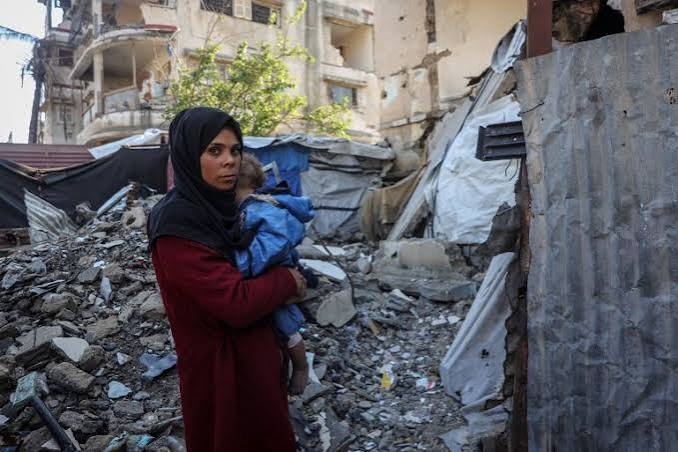
Military maps and radar screens can make conflict appear distant and technical. For families living beneath the flight paths of incoming drones, however, the experience is intensely personal. A warning on a phone, a sudden siren or the distant sound of an interception can turn an ordinary evening into a moment of fear.
That human reality should remain central to discussions about air defence. Every successful interception represents more than a technical achievement. It may mean that a hospital continues operating, a neighborhood avoids destruction or a family wakes up safely the next morning.
The events surrounding August 17 demonstrate why Eastern Europe’s security environment continues to demand close international attention. As long range drones become an increasingly prominent feature of modern conflict, governments will need to combine military readiness with civilian preparedness, infrastructure protection and sustained cooperation.
The central lesson is clear. Effective air defence is no longer simply about what happens when a threat appears on a radar screen. It is about preparation long before an attack begins, coordination across borders and institutions, resilient infrastructure and the ability to protect ordinary people when warning systems turn from routine monitoring into an urgent call for action.