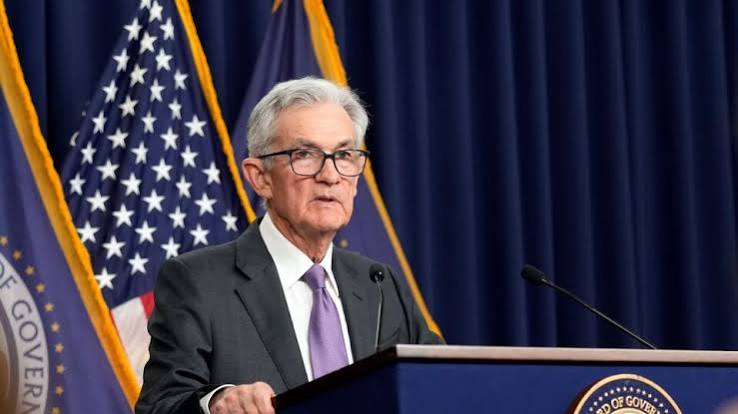
Global financial markets are watching the Jackson Hole gathering closely as central bank leaders meet against a backdrop of persistent inflation concerns, uncertain economic growth and changing expectations for borrowing costs. Attention is centered on Federal Reserve Chair Kevin Warsh and the policy guidance investors expect from his remarks, with markets looking for clues about the future direction of US interest rates and the implications for monetary policy around the world.
Why Jackson Hole Matters to Global Markets
The annual economic gathering in Jackson Hole has become one of the most closely watched events on the international monetary policy calendar. Central bankers, economists and financial officials use the meeting to discuss inflation, employment, financial stability and the challenges facing the global economy.
For investors, the significance often extends beyond the speeches themselves. A single change in wording about inflation or interest rates can alter expectations for future monetary policy, influencing bond yields, currencies, equities and commodity prices.
This year’s gathering comes at a particularly sensitive moment. Central banks are attempting to balance two competing concerns. They want inflation to remain under control, but they also need to avoid keeping borrowing costs unnecessarily high if economic activity begins to weaken.
That balancing act makes Federal Reserve guidance particularly important because US monetary policy has consequences far beyond American borders.
Why Federal Reserve Policy Has Global Consequences
The US dollar remains central to international trade and finance, while US Treasury securities are widely held by governments, banks and institutional investors. When the Federal Reserve changes interest rates or signals a change in its policy outlook, financial conditions can shift across the world.
Higher US interest rates can make dollar denominated assets more attractive, potentially drawing capital toward the United States. Lower rates can have the opposite effect by reducing the relative appeal of dollar assets and encouraging investors to seek opportunities elsewhere.
Those movements can affect emerging markets particularly strongly. Countries with substantial dollar denominated debt may face higher financing costs when the dollar strengthens or US yields rise.
For this reason, investors outside the United States often pay close attention to Federal Reserve communication even when their own domestic economies are facing different conditions.
Inflation Remains the Central Policy Challenge
Inflation is likely to remain one of the most important themes at Jackson Hole. Central banks have spent years attempting to prevent rapid price increases from becoming embedded in consumer and business expectations.
Although inflation can decline from previous peaks, policymakers remain cautious about declaring victory too early. Prices for services, housing, energy and other essentials can remain persistent even after headline inflation begins to moderate.
For households, the difference is significant. A slower rate of inflation does not mean that prices return to previous levels. It simply means prices are increasing more slowly.
That distinction creates a difficult environment for central bankers. Consumers may continue feeling financial pressure even when official inflation data shows improvement.
Borrowing Costs Are Under the Microscope
Interest rates affect almost every part of the economy. Mortgage payments, business loans, credit cards, automobile financing and government borrowing are all influenced by the broader cost of money.
When rates remain high for an extended period, households may postpone large purchases and companies may delay investment. Governments can also face increased costs when refinancing existing debt.
Lower rates can provide relief, but cutting too quickly can create another problem if inflation begins accelerating again.
That is why investors are searching for clues about the pace and timing of future policy changes rather than simply asking whether rates will eventually fall.
Markets Are Listening for the Fed’s Next Message
Financial markets often react more strongly to changes in expectations than to decisions that have already been widely anticipated.
If investors already expect a particular rate path, a central bank announcement may have little impact. But if policymakers suggest that conditions are different from what markets assumed, asset prices can move rapidly.
Traders will therefore examine language concerning inflation persistence, labor market conditions, economic growth and financial stability.
Even subtle changes in tone can influence bond yields and currency markets. A more cautious approach toward rate cuts could support the dollar and push borrowing costs higher. A more accommodative signal could produce the opposite response.
Global Central Banks Face Different Pressures
Although the Federal Reserve receives much of the attention, other central banks are dealing with their own economic challenges.
European policymakers must balance inflation concerns against uneven growth across the region. Asian economies face different combinations of domestic demand, trade conditions and currency pressures. Emerging markets often have to consider the additional effect of US monetary policy on capital flows and exchange rates.
That means there is no single global interest rate strategy.
Each central bank must evaluate local conditions while also considering international developments. Yet the Federal Reserve remains unusually influential because of the dollar’s role in the global financial system.
The Bond Market Could Provide the Clearest Signal
Government bond markets are likely to provide one of the clearest immediate reactions to Federal Reserve guidance. Treasury yields reflect expectations about future interest rates, inflation and economic growth.
If investors believe rates will remain elevated for longer, Treasury yields can rise. Higher yields can then influence borrowing costs throughout the economy, including corporate debt and mortgages.
If markets instead anticipate a meaningful easing cycle, yields can decline as investors price in lower future policy rates.
For investors seeking to interpret the Jackson Hole message, watching bond market movements alongside the Federal Reserve’s language may provide more context than focusing on a single headline.
The Dollar Could React Quickly
Currency traders are also paying close attention to the meeting. Interest rate expectations are one of the major factors influencing exchange rates because investors compare the returns available in different currencies.
A stronger than expected signal from the Federal Reserve could support the dollar if investors anticipate higher US yields. A more dovish message could place downward pressure on the currency.
Currency movements matter for households and businesses around the world. A stronger dollar can make imported goods more expensive for some countries, while a weaker dollar can change the competitiveness of exports and influence commodity prices.
For countries with large dollar denominated liabilities, the exchange rate can have particularly serious financial consequences.
Emerging Markets Are Watching Closely
Emerging market economies can be especially sensitive to changes in US monetary policy. When US rates rise, global investors may become more interested in dollar assets and less willing to accept the additional risks associated with emerging markets.
That can lead to capital outflows, currency depreciation and higher financing costs.
When US policy becomes more supportive, the opposite dynamic can occur. Investors may seek higher returns in emerging markets, supporting local currencies and financial assets.
This relationship is not automatic, but it explains why policymakers in developing economies often monitor Federal Reserve communication with exceptional attention.
Businesses Are Facing a Difficult Planning Environment
Companies also have a direct interest in the outlook for interest rates. Capital intensive industries depend on financing for factories, equipment, property and technology investment.
When borrowing costs remain high, businesses may prioritize existing projects and delay expansion. Smaller companies can be particularly vulnerable because they may have less access to low cost financing.
Lower borrowing costs can encourage investment, but businesses still need confidence that consumer demand will justify additional spending.
This is why monetary policy cannot be viewed in isolation from the broader economic outlook. A rate cut can reduce financing costs, but companies will not necessarily expand if they expect weak demand.
Households Are Feeling the Rate Debate Too
For ordinary households, central bank policy can feel distant until it appears in a monthly payment or household budget.
Mortgage borrowers, renters, consumers carrying credit card balances and families financing vehicles can all be affected by changes in interest rates.
At the same time, savers can benefit from higher interest rates because deposits and other interest bearing assets may provide better returns.
That creates a difficult tradeoff. The same policy designed to control inflation can increase financial pressure for borrowers while supporting people who rely on savings income.
What Investors Should Watch After Jackson Hole
The most useful information may come from what happens after the speeches. Markets will continue receiving inflation reports, employment figures and economic growth data that could either reinforce or challenge the Federal Reserve’s guidance.
- Inflation data will help determine whether price pressures are cooling sufficiently.
- Employment figures will show whether the labor market remains resilient.
- Treasury yields will reveal how investors interpret future interest rate expectations.
- The US dollar will provide another indication of changing monetary policy expectations.
- Global equity markets may show whether investors view policy guidance as supportive or restrictive.
Investors should avoid treating one speech as a complete forecast. Monetary policy depends on incoming economic data, and central banks can change their assessment when conditions change.
Why Policy Communication Matters So Much
Modern central banking depends heavily on communication. Policymakers do not simply set interest rates. They also attempt to shape expectations about what they may do next.
Clear communication can reduce unnecessary volatility by helping households, companies and investors prepare for possible changes. Ambiguous communication can have the opposite effect when markets interpret uncertainty in different ways.
Jackson Hole provides an unusually influential platform because the audience includes many of the people responsible for pricing global financial assets.
A carefully worded statement can therefore travel quickly from a conference room in Wyoming to trading desks in New York, London, Frankfurt, Tokyo and financial centers across emerging markets.
The Global Rate Outlook Remains Delicate
The central issue facing policymakers is finding the right balance between inflation control and economic growth. Cutting rates too aggressively could allow inflation to return. Keeping rates restrictive for too long could weaken investment, employment and consumer demand.
That tension explains why investors are placing so much weight on the Federal Reserve’s guidance.
The Federal Reserve’s official policy resources provide access to statements, economic projections and other information that investors can use to follow the central bank’s decisions.
Jackson Hole Could Set the Tone for the Months Ahead
We should not expect a single speech to resolve every question facing the global economy. Inflation remains difficult to predict, economic growth can change quickly and financial markets frequently move ahead of policymakers.
What Jackson Hole can provide is a clearer sense of how central bankers are thinking about the balance between price stability and economic growth.
For markets, that guidance can influence expectations well beyond the immediate meeting. Bond yields, currency values, equity prices, corporate financing decisions and household borrowing costs can all respond as investors reassess the future path of interest rates.
The gathering therefore matters not because every market participant will receive a definitive answer, but because the language used by policymakers can help establish the framework for the decisions that follow.
As international central bank leaders gather to discuss the economic outlook, the world is listening for signs of where borrowing costs may go next. For households and businesses still adjusting to elevated financing costs, the stakes are tangible. For investors, the message from Jackson Hole could determine whether markets prepare for easier financial conditions or another period of restrictive monetary policy.