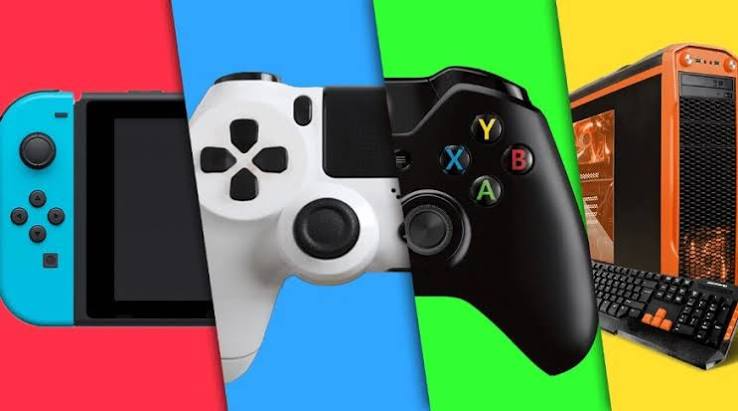
Major video game studios and console makers have agreed on standardized cross platform cloud infrastructure designed to improve multiplayer stability across devices, marking a significant step toward a more connected gaming ecosystem. Announced on September 10, 2026, the agreement addresses a problem players have experienced for years: games may support multiple platforms, yet differences in network systems, cloud services and device environments can still create uneven online experiences. The new standards aim to make global multiplayer connections more consistent while giving developers a clearer technical framework for supporting players across consoles, computers and cloud based gaming services.
A More Connected Future for Multiplayer Gaming
For players, cross platform gaming sounds simple. Someone sitting at a console should be able to join a friend playing on a computer or another supported device, enter the same virtual world and expect the match to remain stable. Behind that seemingly simple experience, however, is a complicated network of servers, authentication systems, matchmaking services, data centers and communication protocols.
When these systems are built differently, players can experience inconsistent matchmaking, delayed connections, unexpected disconnections and differences in online performance. These problems become even more noticeable during competitive matches, where a brief connection delay can change the outcome of an entire game.
The newly adopted interoperability standards are intended to reduce those technical differences. By establishing common approaches for cloud infrastructure and multiplayer communication, participating companies can make it easier for different gaming platforms to communicate reliably.
Why Cloud Infrastructure Matters So Much
Modern multiplayer games rely heavily on cloud computing. A player may see a beautifully rendered battlefield, racing circuit or fantasy world on a local screen, but much of the information required to keep an online match synchronized is handled through remote infrastructure.
Servers coordinate player positions, game events, matchmaking information and other data. When thousands or millions of people are playing at the same time, the infrastructure has to handle enormous amounts of traffic without creating unacceptable delays.
Standardized cloud infrastructure could help developers build multiplayer systems around more predictable technical requirements. Rather than creating completely different approaches for each platform, studios can work toward shared standards that define how systems communicate and exchange information.
This does not mean every game will suddenly use identical servers or that every technical difference between platforms will disappear. Companies will still operate their own services and maintain their own technologies. The larger change is that those systems can be designed to communicate through agreed technical standards.
What Players Could Notice First
The success of the agreement will ultimately be measured by the experience of ordinary players. Most people will never see the underlying cloud infrastructure, and they should not have to. The ideal result is simply an online match that starts quickly, remains connected and feels consistent regardless of the device being used.
Players could benefit from improvements in several areas:
- More consistent matchmaking across supported platforms
- Fewer connection interruptions during multiplayer sessions
- Better synchronization between players using different devices
- More predictable performance during periods of heavy traffic
- Simpler development of global multiplayer features
These improvements could be especially meaningful for competitive games. In a casual match, a momentary delay may be frustrating. In a ranked competition, a network problem can affect a player’s score, progression or position on a leaderboard.
Cross Platform Play Has Become a Consumer Expectation
The gaming industry has gradually moved away from the idea that players must remain separated by hardware. Friends increasingly expect to play together even when they own different devices. Families may have several gaming systems in the same home, while online communities can include players from different regions and platforms.
That shift has changed what consumers expect when they purchase a game. A player may now ask whether a title supports cross platform multiplayer before deciding whether to buy it. Developers therefore have a strong incentive to make interoperability reliable rather than treating it as an optional technical feature.
The agreement also reflects a broader change in the economics of gaming. A successful multiplayer title can remain active for years, creating communities that cross national boundaries and hardware generations. Reliable infrastructure becomes essential to keeping those communities together.
Developers Could Gain From a Common Technical Framework
For game studios, interoperability standards could reduce some of the engineering work involved in supporting multiple platforms. Developing a multiplayer game already requires teams to manage game logic, security, matchmaking, player accounts, updates and network performance. Supporting several hardware environments can add another layer of complexity.
A shared framework can provide developers with clearer expectations for how different systems should interact. That could allow teams to spend more time improving gameplay, accessibility, content and community features rather than repeatedly solving the same infrastructure problems for separate platforms.
Smaller studios could potentially benefit as well. Large publishers generally have extensive technical resources, while independent developers often operate with smaller engineering teams. If common standards reduce the complexity of cross platform support, more studios could have a realistic path toward global multiplayer experiences.
Global Scale Creates a Different Set of Challenges
Making multiplayer gaming stable across a single country is difficult enough. Doing it across continents introduces additional complications. Players can be separated by thousands of miles, different network providers and varying levels of internet infrastructure.
Latency remains one of the biggest challenges. Even with excellent cloud infrastructure, physical distance between a player and a server affects how quickly information can travel. Standardization cannot eliminate the laws of physics, but it can help companies manage traffic more intelligently and make infrastructure behavior more predictable.
Regional data centers, better traffic management and improved matchmaking can work alongside common standards. Together, these systems may help games select suitable connections and reduce unnecessary delays.
Security and Player Data Will Remain Critical
Greater interoperability also creates questions about cybersecurity. When more systems are designed to communicate, companies must make sure that those connections cannot become easy paths for attacks.
Authentication, account protection, encrypted communication and responsible handling of player information will remain central concerns. Developers and platform operators will need to ensure that interoperability does not come at the expense of privacy or security.
The National Institute of Standards and Technology provides widely used cybersecurity guidance that illustrates why common security practices matter when organizations build systems that need to operate reliably across different environments.
Could This Change Cloud Gaming Too?
The implications may extend beyond traditional console and computer gaming. Cloud gaming services allow users to stream games from remote infrastructure rather than relying entirely on local hardware. As these services develop, interoperability between cloud platforms and conventional gaming devices could become increasingly important.
A stronger foundation for multiplayer communication could make it easier to design games that move between local and cloud based experiences. A player might begin a session on a console, continue from another supported device and remain connected to the same online community.
That possibility is particularly relevant as gaming becomes less tied to a single piece of hardware. The industry is gradually moving toward an environment where accounts, communities and digital purchases can matter as much as the physical device used to access them.
What the Agreement Does Not Guarantee
It would be premature to assume that the new standards will immediately solve every cross platform gaming problem. Companies still control their individual services, and not every game will necessarily support interoperability.
Business decisions will continue to influence which titles support cross platform play. Publishers may also maintain different policies for competitive matchmaking, purchases and player progression. Hardware limitations can create additional differences between platforms.
The standards should therefore be viewed as shared technical groundwork rather than a promise that every game will become universally compatible.
A Potential Turning Point for Players and Studios
The most meaningful technology improvements are often the ones players barely notice. When a multiplayer connection works properly, attention stays on the game rather than the infrastructure behind it. Friends concentrate on the match, teammates communicate naturally and competitive players can focus on strategy instead of worrying about sudden network problems.
That is the promise behind global cross platform interoperability standards. They aim to make the technical foundation of multiplayer gaming more consistent while allowing different devices and services to work together more effectively.
The broader gaming industry now has an opportunity to build on that foundation. If studios implement the standards effectively and platform operators maintain strong security and regional infrastructure, players could gradually see a more connected gaming environment where hardware differences matter less.
For millions of people who simply want to sit down after a long day and play with friends, that could be the most important outcome. The future of gaming may not depend only on faster processors or sharper graphics. It may also depend on whether the industry can make the invisible network connecting players feel as dependable as the games themselves.