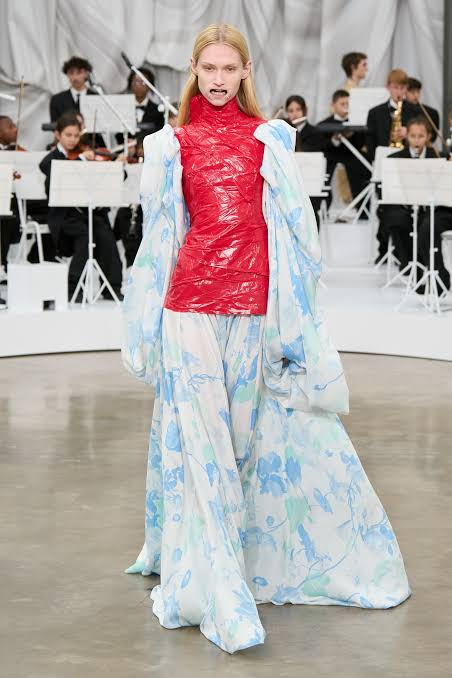
Luxury fashion is preparing for a significant shift as major fashion houses introduce new circular design mandates and lower impact fabric sourcing standards ahead of the upcoming Paris and Milan fashion weeks. The move places sustainability closer to the heart of high fashion, where the beauty of a garment is increasingly being measured alongside the story of how it was made, worn, repaired, and eventually reused.
A New Direction for Luxury Fashion
For generations, fashion has been closely associated with seasonal change. New collections arrive, wardrobes evolve, and older pieces can quickly become forgotten. The latest sustainability protocols suggest that luxury brands are beginning to approach that cycle differently. Instead of treating each collection as a separate creative moment, designers are being encouraged to consider what happens to garments throughout their entire life.
The new circular design mandates are expected to encourage fashion houses to make products that remain useful for longer periods. That can include designs that are easier to repair, components that can be replaced, fabrics that can be recovered, and construction methods that make future recycling more practical.
For consumers, this shift could eventually change what it means to make a responsible luxury purchase. A beautifully constructed jacket may no longer be valued only for its appearance and brand identity. Its durability, repairability, material origin, and potential for reuse could become equally meaningful parts of its value.
Why Circular Design Is Becoming Central to High Fashion
Circular fashion focuses on keeping clothing and materials in use for as long as possible. Rather than following a simple path from production to purchase to disposal, circular systems aim to create longer and more responsible cycles.
That principle presents an interesting challenge for luxury designers. High fashion depends heavily on creativity, experimentation, craftsmanship, and distinctive materials. Designers therefore need to find ways to preserve artistic freedom while reducing unnecessary waste.
We may see more collections built around modular construction, durable stitching, replaceable components, recycled fibers, and fabrics selected for their ability to remain valuable beyond one season. These decisions can appear small on the runway, but they may have a substantial effect once thousands of garments enter the consumer market.
What Circular Design Can Mean for Consumers
- Garments designed for longer use and easier repair
- Materials selected with future reuse or recycling in mind
- Greater transparency around fabric sourcing
- Reduced dependence on materials that are difficult to recover
- More opportunities to resell, restore, or repurpose luxury pieces
For someone purchasing a premium coat or evening dress, these changes can offer something that traditional seasonal fashion often struggles to provide: confidence that the item can remain relevant beyond a single trend cycle.
Low Impact Fabric Sourcing Takes the Spotlight
Fabric sourcing is another major part of the new sustainability push. The environmental impact of a garment begins long before it reaches a boutique. Fiber production, farming, processing, dyeing, transportation, and manufacturing can all influence the resources required to create a finished piece.
New sourcing standards are expected to encourage fashion houses to examine these stages more carefully. Lower impact fibers, recycled materials, responsibly managed natural resources, and production methods that require fewer resources could become more common across luxury collections.
The goal is not simply to replace one material with another and declare the problem solved. A responsible sourcing strategy requires a broader examination of where a material comes from, how it is processed, how long it lasts, and what happens to it after use.
Organizations such as the United Nations Environment Programme have highlighted the environmental challenges associated with consumption and production, giving the wider fashion industry a useful framework for thinking about resource efficiency and waste reduction.
Paris and Milan Become Important Testing Grounds
Paris and Milan hold an unusual position in the fashion industry. Their runways do more than introduce clothing. They influence retail strategies, editorial coverage, celebrity styling, consumer expectations, and the direction of design houses around the world.
That makes the upcoming fashion weeks particularly significant for sustainable fashion. When sustainability requirements become visible in prestigious collections, the message reaches far beyond the designers participating in the shows.
We can expect buyers, journalists, stylists, manufacturers, and fashion students to pay close attention to how these principles appear in finished collections. The strongest impact may not come from a single dramatic runway moment. It could come from repeated design decisions that gradually become standard practice.
Picture a Paris runway filled with carefully constructed tailoring, flowing evening pieces, textured fabrics, and intricate accessories. Behind the visual spectacle, another story may be unfolding. The question is no longer only whether a garment looks exceptional under the lights. Industry observers are increasingly asking whether its materials were responsibly sourced and whether its construction supports a longer life.
The Human Side of Sustainable Luxury
Sustainability in fashion is ultimately about people as much as materials. Every garment passes through a network of farmers, textile workers, dyers, pattern makers, seamstresses, artisans, logistics workers, sales professionals, and consumers.
Luxury fashion has long celebrated craftsmanship. Sustainable production provides an opportunity to give that craftsmanship greater longevity. A garment that can be repaired rather than discarded can preserve the work of the person who originally made it. A fabric that remains useful through multiple stages of its life can keep resources and human effort from being wasted.
This perspective also gives consumers a more personal connection to what they wear. Clothing can carry memories, family traditions, special occasions, and personal milestones. A sustainable fashion system recognizes that emotional value can be just as important as resale value.
Luxury Brands Face Practical Challenges
Adopting circular design principles will not be simple. Luxury brands often depend on highly specialized materials, complex production techniques, and carefully controlled supply chains. Some sustainable alternatives may currently cost more or be difficult to obtain at the quality and scale required by major fashion houses.
There is also the challenge of verification. Sustainability claims need credible documentation if consumers are going to trust them. A label describing a garment as responsible means little if the underlying material sourcing and manufacturing practices cannot be properly established.
For that reason, the next phase of sustainable fashion will likely depend on measurable standards, clearer supply chain information, responsible material certification, and greater accountability from manufacturers and brands.
What Fashion Buyers Should Watch During the Upcoming Shows
The runway collections can provide useful clues about how quickly sustainability is moving from corporate policy into actual design practice. Buyers and consumers should look beyond broad environmental claims and pay attention to specific choices.
- Whether designers are using recycled or responsibly sourced materials
- Whether garments appear designed for durability and repair
- How clearly brands communicate material origins
- Whether collections reduce unnecessary material waste
- Whether sustainability principles remain consistent beyond the runway
These details can help separate meaningful changes from short term fashion messaging. The strongest sustainable collections will likely be those where environmental responsibility is integrated into the design itself rather than added as an afterthought.
A Broader Change in the Meaning of Luxury
The most interesting development may be cultural. Luxury has traditionally been associated with rarity, craftsmanship, exclusivity, and exceptional materials. Sustainability introduces another dimension: responsibility.
A future luxury item could be considered more desirable because it has been made to last, can be repaired by skilled professionals, contains carefully sourced materials, and can eventually return to a useful production cycle.
That does not mean traditional beauty or creativity will disappear. Fashion will continue to be emotional, expressive, and sometimes extravagant. The opportunity is to make those qualities compatible with more responsible production.
The Runway Could Shape the Next Fashion Cycle
As Paris and Milan prepare for another season of influential collections, the industry is facing a question that extends beyond fashion itself. Can an industry built around constant renewal create a system where renewal does not automatically mean waste?
The new circular design mandates and low impact sourcing standards suggest that major fashion houses are willing to test that possibility. The success of these efforts will depend on implementation, transparency, investment, and consumer demand.
For shoppers, designers, and industry workers alike, the coming fashion weeks may offer an early glimpse of a more durable model of luxury. The most memorable garment may not simply be the one that commands attention on the runway. It may be the one that continues to matter years after the lights have gone out.