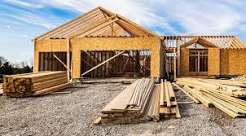
Homeowners, builders and property developers across international markets are placing greater attention on climate resilient housing, low emission materials and smarter energy use as environmental pressures and household energy costs reshape renovation priorities. The latest shift is moving beyond cosmetic remodeling. More people are investing in insulation, efficient heating and cooling, intelligent energy controls and structural improvements designed to help homes remain safer and more comfortable during extreme weather.
Climate Resilience Is Changing What Homeowners Renovate
For decades, home improvement was often associated with larger kitchens, updated bathrooms and fresh interiors. That picture is changing. Increasingly, homeowners are looking at the parts of a property that are rarely visible but have a major influence on comfort, energy consumption and long term resilience.
A home that stays cooler during an intense summer, retains heat during a winter storm and manages electricity efficiently can provide practical value every day. Better insulation can reduce unwanted heat transfer. Improved windows can limit drafts and solar heat gain. Smart energy systems can adjust consumption according to household activity, weather conditions and electricity demand.
For families dealing with rising energy expenses, these improvements can also become financial decisions rather than purely environmental ones. A renovation that reduces energy waste may lower recurring household costs while making indoor spaces more comfortable throughout the year.
Retrofitting Existing Homes Becomes a Major Priority
One of the strongest trends in the international home improvement market is climate resilient retrofitting. Rather than replacing older properties, homeowners are upgrading existing buildings to perform better under changing environmental conditions.
This approach matters because much of the world’s housing stock was constructed under older assumptions about weather, energy consumption and building performance. A house designed without modern insulation standards may require substantially more energy to maintain a comfortable indoor temperature. Older buildings may also have weaknesses involving moisture management, ventilation, windows or protection against severe weather.
Retrofitting provides a way to address those weaknesses without rebuilding an entire property. Depending on the building and local climate, projects can include improved roof insulation, wall insulation, high performance windows, efficient heating and cooling equipment, improved ventilation and better protection against water intrusion.
Common Climate Resilient Home Improvements
- Improved wall, roof and floor insulation
- Energy efficient windows and doors
- Smart thermostats and automated energy controls
- Efficient heating and cooling equipment
- Solar energy systems and household battery storage
- Water management and improved drainage
- Materials designed to withstand heat, moisture and severe weather
The right combination depends heavily on location. A coastal property may need stronger protection against moisture and flooding, while a home in a hot region may benefit more from reflective roofing, shading and efficient cooling. Climate resilience is therefore becoming increasingly local rather than following a single universal renovation formula.
Zero Emission Insulation Draws Greater Attention
Insulation has become one of the most closely watched areas of sustainable construction because it influences both energy consumption and indoor comfort. Newer materials are being developed with greater attention to emissions, manufacturing processes, durability and environmental impact.
The goal is not simply to produce insulation that prevents heat movement. Manufacturers and builders are increasingly considering the full life cycle of materials, including the resources used to produce them, their expected service life and how they can be handled at the end of a building’s useful period.
Homeowners should still look beyond environmental claims when selecting insulation. Thermal performance, moisture resistance, fire safety, installation quality and compatibility with the existing structure all matter. A highly efficient material can perform poorly if it is installed incorrectly or used in a building where moisture management has not been properly addressed.
The U.S. Department of Energy provides extensive guidance on residential energy efficiency, insulation and building performance, making it a useful reference for homeowners evaluating energy related renovation projects.
Smart Energy Systems Move From Luxury to Practical Tool
Another major development is the growing use of smart energy conservation systems. Connected thermostats, sensors, energy monitors and automated controls allow households to see where electricity is being consumed and adjust usage more precisely.
Instead of heating or cooling an empty home at the same level throughout the day, a smart system can respond to occupancy and temperature conditions. Some systems can coordinate appliances with periods of lower electricity demand, while others can work alongside solar panels and battery storage to improve household energy management.
The value of these technologies depends on how well they match the household. A complicated system that requires constant adjustment may not provide much practical benefit. Simpler controls that operate reliably can sometimes deliver better results.
Why Smart Conservation Matters
Energy conservation is not only about reducing electricity bills. Lower consumption can reduce pressure on power networks during periods of extreme heat or cold. When large numbers of households reduce unnecessary demand, the collective effect can become significant.
Smart systems can also provide homeowners with information that was previously difficult to obtain. A household may discover that an older appliance is consuming more electricity than expected or that a particular room loses heat rapidly. That information can help residents decide which improvements deserve priority.
Builders Are Rethinking Materials and Building Performance
The movement toward resilient housing is also changing construction practices. Builders are increasingly considering how materials behave under higher temperatures, heavier rainfall, stronger storms and changing moisture conditions.
This does not mean that every new home needs expensive technology. Basic design decisions can have substantial effects. Proper orientation, natural shading, ventilation, insulation and efficient windows can reduce energy requirements before mechanical systems are even installed.
Material selection is also becoming more closely connected with durability. A product that needs frequent replacement may create greater environmental and financial costs than a durable alternative with a longer service life.
For developers, this creates a broader calculation. Construction costs remain important, but so do operating expenses, maintenance requirements and the future resilience of a property. Buyers are increasingly interested in these factors because they affect the cost of owning a home long after construction is finished.
Extreme Weather Is Influencing Renovation Decisions
Climate related weather events have made resilience a personal issue for many homeowners. When temperatures remain unusually high, residents notice inadequate cooling. When heavy rainfall overwhelms drainage systems, weaknesses around foundations and roofs become obvious. During prolonged cold periods, poorly insulated rooms can become uncomfortable and expensive to heat.
These experiences can change renovation priorities quickly. A homeowner who once planned to remodel a living room may instead decide to improve insulation or replace an inefficient heating system after seeing the impact of extreme weather firsthand.
The emotional dimension should not be overlooked. A home is where people sleep, raise families, store belongings and seek security. When environmental conditions threaten that sense of safety, resilience becomes more than a technical building concept.
Affordability Remains a Major Challenge
The rapid interest in sustainable housing does not mean every homeowner can immediately afford a comprehensive retrofit. Insulation, windows, heating equipment, solar systems and structural improvements can require significant upfront investment.
This creates a policy challenge for governments and housing organizations. If energy efficient construction is treated only as a premium product, lower income households may be left in older properties with higher energy costs and greater exposure to environmental risks.
Financial incentives, affordable financing, building improvement programs and accessible technical advice can help close that gap. Programs that prioritize the most cost effective improvements may allow households to begin with insulation or air sealing before moving toward more expensive technologies.
The United Nations Environment Programme also provides broader research and resources on sustainable buildings, energy efficiency and the environmental impact of the construction sector.
Homeowners Need a Practical Renovation Strategy
For people considering an eco friendly renovation, the strongest approach is usually to begin with the building itself rather than purchasing technology immediately. A smart thermostat cannot compensate for major heat loss through poorly insulated walls, and solar panels may not address inefficient heating or cooling equipment.
A practical assessment should examine insulation, windows, air leakage, heating, cooling, ventilation, water management and electricity consumption. Once the largest sources of waste or vulnerability are identified, homeowners can prioritize improvements according to cost, urgency and expected savings.
Questions Worth Asking Before Renovating
- Where does the property lose or gain the most heat?
- Which systems consume the greatest amount of energy?
- What weather risks are most relevant to the local area?
- Which improvements can reduce both energy use and maintenance costs?
- Will new materials work properly with the existing building?
- What is the expected service life of each major upgrade?
The Construction Industry Is Moving Toward Long Term Value
The growing interest in resilient and eco friendly housing reflects a broader change in how people think about property. Energy performance and climate resilience are increasingly being considered part of a home’s long term value rather than optional additions.
A well insulated home can be more comfortable. An efficient heating and cooling system can reduce energy consumption. Durable materials can lower maintenance requirements. Smart controls can help residents understand and manage their energy use. When these elements work together, the result is a property that can perform better under a wider range of conditions.
For builders, architects and manufacturers, this shift creates pressure to demonstrate measurable performance rather than relying solely on environmental labels. For homeowners, it creates an opportunity to make renovation decisions based on durability, comfort, energy use and future resilience.
A New Standard for the Home of the Future
The global movement toward climate resilient construction is unlikely to remain a niche trend. As households experience changing weather patterns, energy costs and new expectations around environmental responsibility, the definition of a well built home is changing.
The most successful homes of the future may not necessarily be the largest or most technologically complicated. They may be the homes that use energy carefully, maintain comfortable temperatures efficiently, withstand local environmental risks and rely on materials selected for both performance and durability.
That shift places homeowners at the center of a significant change in the construction industry. Retrofitting an existing house, choosing lower emission insulation or installing a smart energy system may seem like an individual decision, but millions of similar decisions can influence energy demand, construction practices and environmental outcomes on a much larger scale.
The current surge in sustainable home improvement therefore represents more than a change in renovation preferences. It reflects a growing recognition that homes must serve two purposes at once: they must provide comfort and security today while remaining capable of handling the environmental and economic pressures of tomorrow.