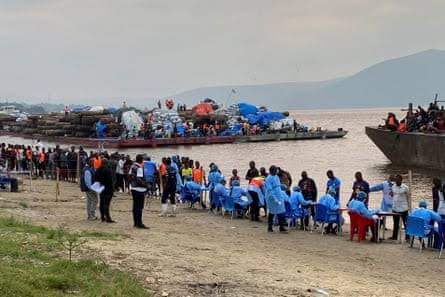
Global health agencies are placing women’s health and infectious disease preparedness at the center of a new international effort as coalitions announce a targeted $15 million initiative while continuing close surveillance of disease outbreaks across East and Central Africa. The development comes at a moment when health systems are being asked to address two urgent needs at once: improving access to essential care for women and maintaining rapid detection systems that can respond when infectious diseases begin spreading through communities.
A New Funding Push for Women’s Health
The new initiative reflects growing recognition that investment in women’s health has consequences far beyond individual patients. Women often serve as caregivers, income earners, and central figures in family health decisions, meaning barriers to medical care can affect entire households.
Targeted funding can support programs that address maternal health, reproductive health, disease prevention, screening, community education, and access to essential medical services. In areas where clinics are distant or medical staff are limited, relatively modest investments can make a meaningful difference by strengthening local services and bringing care closer to the communities that need it.
We should also recognize the practical reality faced by many women seeking healthcare. A clinic visit can involve transportation costs, lost working hours, childcare responsibilities, and long waiting periods. When healthcare programs are designed around those realities, funding can produce benefits that are felt well beyond the medical facility.
Why Women’s Health Remains a Global Priority
Women’s health covers a broad range of needs throughout life. Maternal care is only one part of the picture. Preventive services, reproductive healthcare, nutrition, mental wellbeing, cancer screening, treatment for infectious diseases, and access to trained healthcare professionals all contribute to healthier communities.
Health agencies increasingly recognize that early intervention can reduce pressure on hospitals and emergency services. When women receive timely medical attention, health conditions can often be identified before they become severe or require more expensive treatment.
Investment in community based healthcare can also improve trust. A familiar nurse, midwife, community health worker, or local clinic can become a critical connection between families and national health systems.
Local Healthcare Workers Are Central to the Effort
International funding is most effective when it strengthens local capacity rather than creating systems that communities cannot maintain. Training healthcare workers, improving medical supply chains, supporting clinics, and developing reliable referral systems can help funding produce lasting results.
Women working within healthcare systems are particularly important. Female healthcare workers can make it easier for patients to discuss sensitive health concerns, particularly in communities where cultural expectations may influence when and how women seek medical attention.
The World Health Organization continues to place primary healthcare, disease prevention, maternal health, and stronger health systems among its major areas of international work.
Outbreak Surveillance Remains a Second Front
While new funding focuses attention on women’s health, international health coalitions are also maintaining surveillance of disease outbreaks across East and Central Africa. This parallel effort reflects a basic principle of public health: detecting an outbreak early can dramatically improve the ability of authorities to contain it.
Outbreak surveillance involves much more than counting confirmed cases. Health authorities monitor unusual patterns of illness, investigate reports from healthcare facilities, collect laboratory information, assess transmission risks, and coordinate communication between local, national, and international institutions.
For communities, the work can be almost invisible. A laboratory result processed quickly, a health worker recognizing an unusual cluster of symptoms, or a local authority sharing information promptly may prevent a small outbreak from becoming a regional emergency.
East and Central Africa Face Complex Health Challenges
Health surveillance across East and Central Africa must account for enormous geographic areas, different healthcare capacities, population movement, and varying access to laboratories and medical facilities. Rural communities may be located far from hospitals, while crowded urban areas can create different transmission risks.
Cross border movement adds another layer of complexity. People travel for work, education, family responsibilities, trade, and humanitarian needs. Disease surveillance therefore cannot stop at national borders when an outbreak has the potential to spread across neighboring countries.
Strong regional cooperation allows health officials to exchange information more quickly and coordinate responses before transmission becomes harder to control.
Early Warning Systems Can Save Valuable Time
The first days of an outbreak can be critical. A delayed response may allow infections to move through households, schools, workplaces, transport networks, and healthcare facilities before authorities understand what is happening.
Early warning systems help shorten that delay. Community reporting, laboratory testing, digital surveillance, trained medical personnel, and reliable communication channels can work together to identify unusual health events.
Technology has an increasingly important role, but technology alone is not enough. A sophisticated reporting platform has limited value if a rural clinic lacks trained staff, electricity, medical supplies, or a reliable way to communicate findings.
Women and Outbreak Response Are Closely Connected
The two priorities announced by international health coalitions should not be viewed as completely separate programs. Women are often among the first people to notice changes in family health, particularly when children or elderly relatives develop symptoms. They may also provide much of the daily care when illness enters a household.
That makes women important participants in community health surveillance. Providing women with accurate health information, access to trusted medical services, and opportunities to participate in local health programs can strengthen the wider response to infectious disease threats.
Women healthcare workers can also serve as trusted messengers during outbreaks. Their role may involve educating families, encouraging appropriate medical care, correcting misinformation, and helping communities understand public health guidance.
Funding Must Reach Communities Where It Matters
A $15 million initiative can generate meaningful results, but the value of the funding will depend heavily on how effectively it reaches frontline programs. International health financing can become most useful when resources are connected to measurable community needs rather than concentrated only in major institutions.
Effective spending may include several priorities:
- Expanding access to essential healthcare for women and girls.
- Supporting trained nurses, midwives, doctors, and community health workers.
- Improving diagnostic and laboratory capacity.
- Strengthening disease reporting and early warning systems.
- Supporting health education and trusted community communication.
Clear monitoring can also help donors and health organizations determine whether programs are reaching underserved populations. Transparency matters because communities deserve to see whether international commitments are producing practical improvements in healthcare access.
The Human Cost Behind Health Statistics
Numbers can describe the scale of a health crisis, but they rarely capture what illness feels like inside a household. A mother waiting for medical care may be worried about more than her own health. She may be thinking about children who depend on her, household income, transportation home, or whether she can afford to miss another day of work.
During an outbreak, those concerns can become even more complicated. Families may fear infection, isolation, lost income, or stigma. Health workers may face long hours while treating patients and monitoring new cases.
That human dimension should remain central to international health policy. Funding decisions are ultimately about people, not spreadsheets. Strong surveillance systems matter because they can protect families before illness spreads further. Women’s health programs matter because timely care can change the course of an individual life and the wellbeing of an entire household.
International Cooperation Will Shape the Next Response
The latest initiative also highlights the importance of cooperation between governments, health agencies, medical institutions, researchers, community organizations, and international donors. No single organization can manage every dimension of global health security.
Regional cooperation is particularly important for infectious disease surveillance. Countries need mechanisms for sharing information, coordinating laboratory findings, supporting neighboring health systems, and communicating clearly with communities.
The United Nations Children’s Fund also works across many countries to support health, nutrition, maternal and child wellbeing, and community services, illustrating why international health efforts often depend on cooperation across multiple institutions.
What Comes Next for Global Health
The combination of a new $15 million women’s health initiative and continued outbreak monitoring sends a broader message about the direction of international public health. Health security is not only about responding after an emergency begins. It also depends on building strong everyday healthcare systems that can identify risks, provide treatment, and maintain public trust.
For women and families, that means accessible clinics, trained professionals, reliable medicines, preventive services, and clear health information. For communities facing infectious disease threats, it means rapid reporting, laboratory capacity, trained surveillance teams, and cooperation across borders.
We should measure the success of these efforts not only by the amount of money announced or the number of programs launched, but by what changes for people on the ground. A woman receiving timely care, a rural clinic detecting an unusual illness early, or a family receiving trustworthy information during an outbreak can represent the real value of international health investment.
The $15 million initiative is therefore part of a much larger public health challenge. Sustained investment, strong local partnerships, transparent financing, and early disease detection will remain essential as health agencies work to protect communities across Africa and beyond. The strongest response will be one that treats prevention, women’s health, and outbreak preparedness as connected priorities rather than separate concerns.