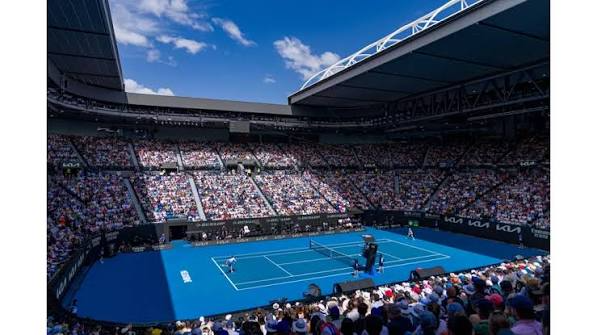
International football and tennis are drawing audiences at a remarkable scale as major tournaments bring millions of viewers together across television, streaming platforms, mobile devices, and social media. On September 12, 2026, global sports federations reported new broadcast revenue records while also advancing regulatory measures focused on player workload management. The developments reveal a powerful tension at the heart of modern sport: audiences want more matches, more access, and more unforgettable moments, while athletes need enough recovery time to remain healthy and competitive.
Global Sports Audiences Continue to Expand
We are watching a significant change in how people experience major sporting events. A football match that once depended largely on a television audience can now reach supporters through several connected platforms at the same time. Tennis has followed a similar path, with fans watching live matches, highlights, interviews, analysis, and short clips throughout the day.
This wider access has helped international competitions reach people who may never have attended a stadium. A supporter can sit in a small apartment thousands of miles from the competition venue and still feel the tension of a penalty kick, the roar after a winning goal, or the silence that follows a crucial tennis point. That emotional connection is one reason global sports continue to command such strong attention.
For broadcasters and sports federations, larger audiences translate into greater commercial value. Television rights, streaming agreements, sponsorship arrangements, digital advertising, and international licensing have become central sources of revenue. The latest figures indicate that demand for premium live sport remains strong despite the enormous number of entertainment choices available to consumers.
Football Remains a Global Audience Powerhouse
Football continues to occupy a unique position in international sports culture. Its appeal crosses language, age, and national borders, allowing major tournaments to become shared experiences for communities around the world.
When a major football competition reaches its decisive stages, workplaces, homes, restaurants, public viewing areas, and family gatherings can all become temporary match venues. Supporters plan their schedules around kickoff times, wear national colors, and gather with friends and relatives for matches that may last only ninety minutes but create memories that remain for years.
The commercial value of this attention is significant. Broadcasters compete for the rights to show important fixtures because live football can attract large audiences at the same moment. That shared viewing experience is particularly valuable in an era when many forms of entertainment are consumed separately and at different times.
Streaming Is Changing the Viewing Experience
Streaming has also changed how younger audiences follow football. Many viewers now move between live coverage, mobile updates, statistical information, social media reactions, and short video highlights rather than relying on one traditional television broadcast.
For sports organizations, this creates both opportunity and responsibility. Reaching younger audiences can strengthen the future of international competitions, but fragmented viewing habits require broadcasters to make coverage accessible across different devices and regions.
Tennis Adds Another Layer of Global Engagement
Tennis brings a different form of drama to the international sports calendar. A match can shift within seconds as a player moves from dominance to uncertainty. A single service game can change the momentum of an entire contest, while a long rally can leave both players physically exhausted and spectators completely absorbed.
Major tennis events have benefited from the ability to provide viewers with multiple matches, courts, player interviews, statistics, and replay options. Supporters can follow a favorite athlete even when that player is competing far from home.
The international nature of tennis also makes its audience commercially attractive. Players represent different countries and attract supporters well beyond the markets where tournaments are physically held. Global broadcasting therefore allows events to build audiences that extend far beyond stadium capacity.
Record Revenue Brings Greater Responsibility
Rising broadcast revenue is positive for the sports industry, but it also raises difficult questions about how that money should support athletes and competitions. When tournaments become more valuable, there is a natural incentive to increase the number of matches, expand commercial schedules, and create more broadcast opportunities.
That pressure can eventually reach the athletes themselves. Professional footballers and tennis players already operate under demanding physical schedules. Travel, training, competition, media commitments, recovery, and preparation can create an exhausting cycle.
We should therefore view the latest regulatory discussions as more than administrative changes. Player workload management is directly connected to the quality and sustainability of professional sport.
Player Workload Becomes a Central Regulatory Issue
Protecting athletes has become increasingly important as international competitions grow in scale. Players need adequate recovery periods between demanding performances, particularly when competitions require extensive travel across countries and time zones.
Workload management can involve several measures, including scheduling considerations, recovery periods, limits on excessive match congestion, medical monitoring, and stronger attention to player welfare. The exact rules may differ between sports and governing bodies, but the underlying objective is similar: athletes should not be treated as unlimited sources of entertainment.
For football players, crowded calendars can involve domestic competitions, international tournaments, national team duties, and commercial commitments. Tennis players face another challenge because many compete across different countries throughout the season, often moving between surfaces and climates with limited recovery time.
Why Recovery Matters to the Competition
Recovery is not simply a health concern. It also affects the quality of the sport that audiences pay to watch. An exhausted player may struggle to perform at their highest level, while repeated physical strain can increase the possibility of injury.
Fans want to see the best athletes competing at their best. That means athlete welfare and entertainment value are not necessarily opposing interests. A healthier player is more capable of producing the skill, speed, endurance, and creativity that make elite sport compelling.
Broadcast Growth Could Support Better Sports Infrastructure
The growth in broadcast revenue creates an opportunity for sports organizations to invest more heavily in athlete welfare, medical services, training facilities, grassroots programs, technology, and competition infrastructure.
Investment can also strengthen the wider sporting ecosystem. Money generated by major international competitions can help develop young athletes, improve coaching systems, expand access to facilities, and support sports programs in communities that traditionally receive less attention.
Transparency will matter. Fans increasingly want to know how the financial success of major sporting events benefits players and the broader sporting community. Clear policies can help build trust between governing bodies, athletes, broadcasters, sponsors, and supporters.
Organizations such as the FIFA have a major role in shaping the future of international football, while tennis governing bodies face similar questions about competition schedules and athlete welfare.
The Human Side of Global Sports Growth
Behind every record audience is a human story. There is the teenager watching a favorite player for the first time, the parent staying awake for a late international match, the group of friends gathering around a screen, and the longtime supporter who has followed a national team through victories and disappointments.
These moments explain why sports remain more than commercial products. They create shared memories. A winning goal can become part of a family’s history. A dramatic tennis final can become a story repeated for decades. The economic value of sport is substantial, but its emotional value cannot be measured only through broadcast figures.
That human connection also gives sports federations a reason to protect the people who create those moments. Players are not separate from the spectacle. They are at its center.
What the Next Generation of Sports Broadcasting May Look Like
The next stage of sports broadcasting is likely to offer viewers greater choice. Fans may increasingly decide how they want to watch, whether through traditional television, streaming services, mobile applications, interactive statistics, or personalized highlights.
Technology can make international competitions more accessible, but accessibility should not come at the expense of fairness or athlete welfare. A larger number of matches may create more content, yet more content does not automatically mean better sport.
The strongest model will likely be one that balances commercial growth with competitive quality. Broadcasters need compelling events. Fans need reliable access. Athletes need sustainable schedules. Sports federations need financial stability and public trust.
Why the Latest Developments Matter for Fans
For ordinary supporters, the combination of record viewership and new workload regulations could eventually change how major competitions are scheduled and presented. Better planning may reduce unnecessary congestion while allowing important matches to receive greater attention.
Fans can also expect international sports coverage to become increasingly accessible across devices and regions. As rights agreements continue to develop, supporters will have more ways to follow tournaments even when they cannot watch from a stadium.
At the same time, viewers have a role in shaping the future of sports. Audiences reward competitions that respect athletes, provide quality coverage, and create meaningful experiences. Strong public interest gives governing bodies an incentive to maintain high standards both on the field and behind the scenes.
A New Balance Between Growth and Athlete Welfare
The record broadcast revenues reported by global sports federations demonstrate the extraordinary commercial strength of football and tennis. Yet the more valuable these competitions become, the greater the responsibility to protect the athletes whose performances make that value possible.
We should see player workload management as part of the long term health of professional sport rather than a barrier to growth. The most successful sporting systems will be those that understand the relationship between commercial success, competitive quality, athlete health, and public trust.
As the next generation of international tournaments approaches, the central question is no longer simply how many people can watch. It is whether global sport can continue reaching record audiences while giving athletes the conditions they need to perform, recover, and build lasting careers. If federations can maintain that balance, the future of football and tennis can be commercially strong while remaining deeply human at its core.