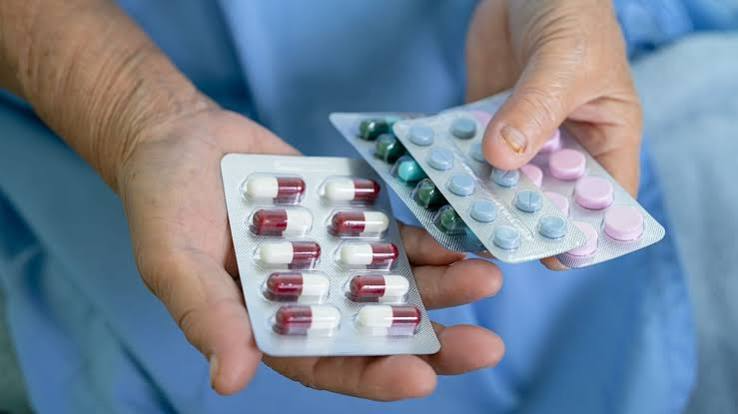
The World Health Organization is intensifying its global response to antimicrobial resistance as drug resistant infections continue to narrow the medicines available to patients. The September 15, 2026 initiative comes as WHO expands international coordination around research, new antibacterial treatments, diagnostics and responsible use of existing medicines. The organization has already adopted a new global action plan covering 2026 through 2036 and published detailed priorities for developing urgently needed antibiotics. Together, these efforts point to a growing recognition that the antibiotic pipeline must move faster while health systems work to prevent resistance from spreading.
Why Antibiotic Resistance Has Become a Global Emergency
Antibiotics have changed medicine by making once dangerous bacterial infections treatable and by allowing doctors to perform procedures that depend on reliable infection control. Surgery, cancer treatment, organ transplantation and intensive care all depend on the ability to control bacterial infections when they occur.
Antimicrobial resistance threatens that foundation. WHO reported in July 2026 that bacterial antimicrobial resistance was associated with more than 4.7 million deaths globally in 2021. The organization also reported that approximately one in six laboratory confirmed bacterial infections worldwide was resistant to antibiotics in 2023.
For a patient in a hospital room, those statistics have a deeply personal meaning. A medicine that once worked reliably may no longer stop an infection. Doctors can be forced to use more complicated treatment combinations, keep patients in hospital longer or rely on medicines with greater risks of side effects.
WHO describes antimicrobial resistance as a major global health threat driven in part by misuse and overuse of antimicrobial medicines. Limited access to appropriate diagnostics, vaccines and effective medicines also contributes to the problem.
WHO Is Targeting the Weakest Points in the Antibiotic Pipeline
The research challenge is not simply to produce more antibiotics. Scientists need medicines that work against bacteria for which current treatment options are becoming ineffective. At the same time, new drugs need to be safe, affordable, accessible and used carefully so that resistance does not develop rapidly against the next generation of treatments.
WHO has been working to coordinate research priorities around those needs. Its 2026 research agenda identifies 40 priorities for antimicrobial resistance research in human health through 2030. The priorities cover prevention, diagnosis and treatment as well as epidemiology, policy, regulation, education and other factors that influence the spread of resistance.
The organization also works through international partnerships to coordinate research and development. One example is the Global Antibiotic Research and Development Partnership, established by WHO and the Drugs for Neglected Diseases initiative to develop treatments for drug resistant infections and support access to those treatments.
New WHO Targets Focus on the Most Dangerous Infections
In March 2026, WHO released three new target product profiles for urgently needed antibacterial medicines. These profiles describe the characteristics researchers should aim for when developing future treatments.
The priorities include severe multidrug resistant Gram negative infections, serious resistant Gram positive infections among immunosuppressed and critically ill patients, and bacterial meningitis caused by resistant organisms. The profiles consider factors such as effectiveness, safety, pharmacokinetics, route of administration, stability, access and affordability.
That approach can help researchers and investors focus resources on areas where medical need is greatest rather than simply developing medicines that may have limited impact on the most serious resistance problems.
The WHO target product profiles for new antibacterial agents provide detailed guidance for researchers, developers, regulators and funders working on these medicines.
Some Resistant Bacteria Leave Doctors With Few Options
WHO’s bacterial priority pathogens list identifies organisms where resistance presents particularly serious public health concerns. The 2024 list covers 24 pathogens across 15 families and includes resistant Gram negative bacteria, drug resistant tuberculosis and pathogens such as Salmonella, Shigella, Neisseria gonorrhoeae, Pseudomonas aeruginosa and Staphylococcus aureus.
Gram negative bacteria are particularly challenging because some possess biological defenses that make it difficult for antibiotics to enter or remain effective inside the bacterial cell. Resistance to last resort medicines can leave clinicians with very limited alternatives.
Gonorrhoea illustrates another part of the problem. WHO said in June 2026 that Neisseria gonorrhoeae has developed resistance to nearly every class of antibiotic historically used to treat it. The emergence of resistance to ceftriaxone, a major first line treatment, has increased the urgency of developing additional options.
Research Alone Will Not Stop Resistance
A new antibiotic can save lives, but its value can be lost if it is used unnecessarily or incorrectly. That is why the global response increasingly combines drug development with antimicrobial stewardship, infection prevention, vaccination, sanitation and better diagnostic testing.
When doctors can quickly determine whether an infection is bacterial and identify which medicine is likely to work, they can avoid unnecessary antibiotic use and select treatment more precisely. This reduces pressure on existing medicines and helps preserve their effectiveness.
WHO’s updated global action plan for antimicrobial resistance places research and innovation alongside prevention, surveillance, stewardship and access. The plan uses a One Health approach that recognizes connections between human health, animal health, agriculture and the environment.
The One Health Approach Broadens the Fight
Resistance does not remain inside hospitals. Resistant organisms can move between people, animals, food systems and the environment. Antibiotic use in livestock, wastewater contamination and inadequate infection control can all contribute to the wider circulation of resistant organisms.
That makes international cooperation essential. A country can strengthen its hospitals and prescribing practices while resistant organisms continue arriving through travel, food production or other cross border pathways.
WHO, the Food and Agriculture Organization, the United Nations Environment Programme and the World Organisation for Animal Health are working through a shared One Health framework. The approach brings together human, animal, plant and environmental health rather than treating antimicrobial resistance as a problem belonging only to hospitals.
The Financial Problem Behind New Antibiotics
Scientific discovery is only one part of the challenge. Developing a new antibiotic can require years of laboratory research, clinical trials, regulatory review and manufacturing investment. Yet antibiotics are deliberately used more carefully than many other medicines because excessive use accelerates resistance.
That creates an unusual commercial problem. A successful antibiotic may need to be preserved as a last resort, meaning sales volumes are intentionally limited. Companies therefore face difficulty recovering large research and development costs through traditional sales models.
WHO’s updated global action plan calls for sustainable financing models and a combination of financial mechanisms that can reduce development risks while supporting equitable access. The plan also discusses incentives that separate financial returns from the number of doses sold, creating a potential way to reward innovation without encouraging unnecessary antibiotic use.
Access Must Be Part of the Research Strategy
A new medicine has limited public health value if the patients who need it cannot obtain it. Access is therefore becoming a central part of antibiotic research planning rather than a concern reserved for the final stage of development.
WHO’s 2026 target product profiles specifically include access and affordability considerations. The organization also stresses the needs of low and middle income countries, where shortages of diagnostics, medicines and health infrastructure can make resistance especially difficult to manage.
For researchers, that means a successful future antibiotic should not only work against a dangerous pathogen. It should also be practical to manufacture, store, distribute and administer in different health care settings.
Prevention Remains One of the Most Effective Tools
New antibiotics attract attention because they represent scientific progress, but preventing infections in the first place can reduce the need for these medicines. Vaccination, clean water, sanitation, hospital infection control and timely diagnosis all reduce opportunities for resistant bacteria to spread.
WHO’s global response therefore places research within a much larger health strategy. A patient who never develops a bacterial infection does not need an antibiotic. A patient whose infection is diagnosed accurately may avoid unnecessary treatment. A patient who receives the correct medicine at the correct time may recover without requiring a broader and more powerful antibiotic.
These steps may appear ordinary compared with the discovery of a new drug, yet their combined effect can determine how quickly resistance spreads through communities and health systems.
What the New Global Research Push Could Deliver
If international research coordination succeeds, the next decade could bring progress across several areas rather than a single breakthrough drug. Key priorities include:
- New antibiotics targeting the highest priority resistant bacteria.
- Faster and more accurate diagnostic tools.
- Alternative treatments that reduce dependence on conventional antibiotics.
- Better surveillance systems for detecting emerging resistance.
- Improved infection prevention and control in health care facilities.
- Research models that support affordable access in countries with limited resources.
WHO’s global antimicrobial resistance research and development program is intended to help align these efforts with the infections and pathogens presenting the greatest public health needs.
The Next Decade Will Test Global Cooperation
The antibiotic resistance crisis does not have a single scientific solution. It requires researchers to discover new treatments while governments strengthen health systems, doctors improve prescribing practices, laboratories expand testing and communities gain better access to prevention and appropriate care.
The updated WHO global action plan for 2026 through 2036 provides a framework for that broader response. Its adoption by the World Health Assembly in May 2026 marked a significant international commitment to coordinated action across human, animal and environmental health.
For patients, the stakes are easy to understand. A fever, a wound or an infection can become frightening when the medicine expected to help no longer works. The goal of the global research effort is therefore not simply to create more sophisticated drugs. It is to preserve the basic promise of modern medicine: that when a serious bacterial infection strikes, health professionals will have safe and effective tools available.
The coming years will show whether governments, researchers, pharmaceutical developers and international health organizations can maintain the investment needed to keep that promise. The scientific challenge is considerable, but so is the cost of allowing resistance to continue advancing without a reliable pipeline of new treatments.