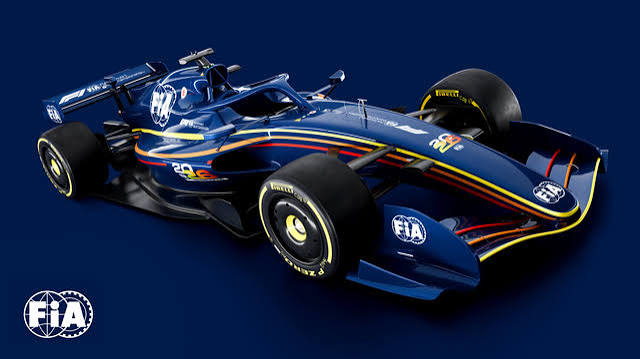
Formula 1 has entered one of the most technically significant regulatory eras in its modern history, with the 2026 rules changing the relationship between engine power, electrical energy, aerodynamics and fuel. The new generation of cars uses 100 percent sustainable fuel, a much larger electrical contribution and active aerodynamic systems designed to manage drag and energy use. Early competition has already exposed important differences in how teams approach the new technology, while the governing body has moved quickly to refine the rules after learning from the opening races of the season. The result is a Formula 1 championship in which engineering strategy is becoming just as important to the spectacle as outright speed.
Why the 2026 Formula 1 Rules Are So Significant
The 2026 regulations do more than introduce a new engine formula. They alter several connected parts of the car at the same time. The power unit remains a 1.6 liter V6 turbo hybrid, but the balance between combustion power and electrical power has changed dramatically. The internal combustion engine now produces substantially less power while the electrical system has become much more powerful.
The FIA designed the new power unit around an electrical output of up to 350 kilowatts, compared with 120 kilowatts from the previous generation. The MGU H has also been removed, while energy recovery from braking has become a much larger part of the car’s performance strategy. The FIA says the overall concept is intended to create a more efficient car while keeping Formula 1 performance at a high level.
For spectators, these changes can be difficult to see from the grandstands. A car still arrives at the corner with a familiar scream from its V6 engine, brakes heavily and launches toward the next straight. Underneath that familiar sequence, however, engineers are managing energy in ways that are considerably different from the previous generation.
Electrical Power Has Become a Central Part of Racing
The most important technical shift may be the increased role of electrical energy. The 2026 power unit moves toward a roughly equal contribution from combustion and electrical power, creating a different set of decisions for drivers and engineers.
Energy management is no longer simply a background engineering exercise. Teams have to decide when energy should be harvested, when it should be deployed and how much electrical power can be preserved for a later part of the lap. A driver approaching a long straight may therefore be thinking about more than braking points and tire grip. Battery state can influence an overtaking opportunity several corners before the actual attack begins.
Formula 1’s official explanation of the new regulations describes additional driver tools for managing energy during races, including Overtake Mode and revised systems for battery deployment. The sport has effectively added another strategic layer to the battle between cars.
Active Aerodynamics Changes the Shape of the Race
Another major change is the introduction of active aerodynamics. Instead of relying on a fixed aerodynamic configuration throughout a lap, the 2026 cars can alter aspects of their aerodynamic setup between higher downforce cornering conditions and lower drag straight line conditions.
The purpose is closely connected to the new power units. Less aerodynamic drag means less energy is required to maintain speed on a straight. More downforce is then available when the car needs grip through corners. The system therefore links aerodynamic performance directly to energy efficiency.
The FIA describes the system through two principal configurations. One is intended to provide greater downforce for corners, while the other reduces drag on straights. This replaces the role previously associated with DRS with a broader aerodynamic and energy management system.
The FIA’s official 2026 Formula 1 regulations hub provides the current regulatory framework and technical documentation for the new generation of cars.
Early Competition Has Exposed Energy Management Challenges
The opening part of the 2026 season has shown that the new regulations are not simply a matter of building a powerful engine and placing it inside a fast chassis. Energy management has become an area where teams can gain or lose performance depending on how effectively their power units, software, aerodynamics and race strategy work together.
The FIA made several amendments after reviewing data from the first events of the season. Changes introduced from the Miami Grand Prix included adjustments to energy harvesting and deployment, along with measures intended to encourage more consistent flat out driving. The FIA said the changes were developed after consultation with teams, drivers and power unit manufacturers.
That process shows how unusual the 2026 regulations are. When a completely new technical framework reaches actual racing conditions, simulations cannot reproduce every combination of traffic, tire degradation, weather and circuit characteristics. Real races provide information that can lead to further regulatory adjustments.
Technical Differences Are Reshaping the Competitive Picture
The new regulations have also changed the competitive structure of Formula 1. The current 2026 constructors standings show Mercedes leading the championship, followed by Ferrari, McLaren and Red Bull Racing, with substantial differences between teams further down the order.
Those standings do not establish that one technical philosophy will remain dominant throughout the entire regulatory cycle. Formula 1 development is a continuous process, and teams can recover performance through aerodynamic development, power unit improvements, software changes and better understanding of energy management.
What the early season has demonstrated is that a new rule set can immediately change the value of different engineering strengths. A team that previously depended heavily on one aerodynamic characteristic may need to rethink its approach when active aero and electrical deployment become central to performance.
100 Percent Sustainable Fuel Changes the Meaning of Engine Development
The sustainability component of the 2026 regulations is equally significant. Formula 1 power units now use fully sustainable fuel under the new framework. The fuel regulations require sustainable components and are designed to prevent the introduction of new fossil carbon through the fuel used by Formula 1 cars.
The FIA has stated that eligible fuel components can come from non food biological sources, genuine municipal waste or sustainable carbon capture. The rules also seek to create a fuel that remains relevant to conventional internal combustion technology outside motorsport.
This gives Formula 1 a different role in automotive research. The sport is still developing combustion engines, but it is doing so alongside much greater electrical power and a fuel system designed around sustainable sources.
What Sustainable Fuel Means for the Wider Automotive Industry
The significance of sustainable fuel extends beyond the racetrack. Formula 1 has historically served as a laboratory for technologies that later influenced road vehicles, although the path from racing technology to consumer transportation is rarely direct.
The 2026 fuel rules are designed around a drop in concept, meaning the fuel can be compatible with internal combustion technology without requiring the entire global vehicle fleet to be replaced. The potential application is therefore broader than Formula 1 itself, although commercial scalability, production costs and feedstock availability remain major questions.
We should also keep expectations realistic. A sustainable fuel used in Formula 1 does not automatically eliminate the wider environmental impact of aviation, road transport or motorsport. The value of the technology depends on how it is produced, its full lifecycle emissions and whether sufficient sustainable feedstocks can be supplied at commercial scale.
Smaller and Lighter Cars Put More Focus on Driver Skill
The 2026 chassis regulations also aim to make the cars smaller and lighter. The FIA originally described the concept as a more nimble Formula 1 car, with a target reduction of about 30 kilograms compared with the previous generation.
That matters because vehicle weight influences acceleration, braking, tire behavior and cornering response. A lighter car can feel more responsive to a driver, particularly through sequences of corners where rapid changes in direction are required.
The aerodynamic package has also been redesigned to reduce the reliance on the previous ground effect concept. This creates a different balance between aerodynamic grip and mechanical performance and could affect how cars behave when following one another closely.
Manufacturers Have More Reasons to Enter Formula 1
The new regulations have attracted a broad group of power unit manufacturers. The 2026 era includes Ferrari, Mercedes, Alpine, Honda, Audi and Red Bull Powertrains, while General Motors is preparing its own power unit program for a later stage.
For manufacturers, the appeal is partly technological. A Formula 1 engine now provides a platform for research into high efficiency combustion, advanced electrical systems, energy recovery and sustainable fuels. These technologies are relevant to a wider automotive industry that is still working out how different propulsion systems will coexist in the coming decades.
The new framework also includes financial regulations intended to control power unit costs. That matters because technical competition can become unsustainable if only the largest manufacturers can afford to develop competitive systems.
The Rules Are Already Evolving
One of the clearest signs of the complexity of the 2026 regulations is that the framework has continued to evolve during the season. In June, the FIA announced an agreement on proposed changes for 2027 and 2028 following concerns about energy management and fuel energy flow characteristics.
The proposed changes include a staged adjustment to the balance between internal combustion power and energy recovery system contribution. The objective is to address lessons learned during the opening races while maintaining the characteristics that have emerged from the new rules.
This is a normal feature of major regulatory changes. Formula 1 teams adapt rapidly, and once engineers identify an unexpected advantage, the competitive environment can move faster than the original simulations anticipated.
What the 2026 Era Means for Formula 1 Fans
For fans, the technical revolution is likely to be felt most clearly through the way races develop. Overtaking can depend on electrical energy reserves, aerodynamic modes and the timing of deployment rather than simply having a faster car in a straight line.
That adds complexity for engineers while giving drivers another set of decisions to make under pressure. A driver defending a position may need to conserve energy while approaching a vulnerable section of the circuit. A driver attacking may need to decide whether to spend electrical energy immediately or preserve it for a better opportunity later.
These details can be almost invisible on television, yet they can determine whether a car reaches a corner alongside another competitor or several car lengths behind.
A New Technical Race Is Underway
The 2026 Formula 1 regulations have created a technical environment unlike the previous generation. Sustainable fuel, substantially greater electrical power, active aerodynamics, lighter cars and revised energy management are now interconnected parts of the same competitive system.
The early championship picture has already provided evidence that teams are approaching those challenges differently. The FIA has also shown a willingness to adjust the framework when real racing reveals problems that simulations could not fully capture. The current regulations have therefore become a living technical project rather than a rulebook that can simply be left untouched for several seasons.
Formula 1 has always combined speed with engineering competition, but the 2026 rules make that relationship especially visible. The sound of a V6 engine remains part of the experience, yet beneath it lies a more complicated contest involving batteries, software, sustainable fuel, aerodynamic efficiency and energy strategy. For teams and drivers, every lap now carries another technical calculation. For the wider motorsport industry, the results could influence how performance and sustainability are discussed far beyond the Formula 1 grid.