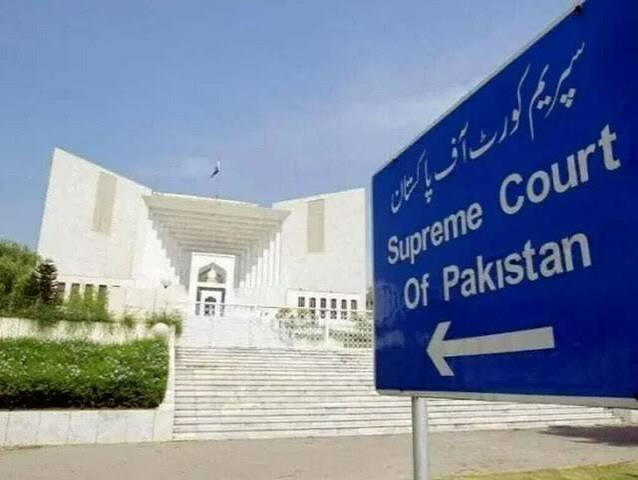
September 17, 2026 — Pakistan’s Supreme Court has suspended the prison sentences of human rights lawyer Imaan Zainab Mazari Hazir and her husband, Hadi Ali Chattha, in a case centered on their social media posts. The two judge bench granted them bail while their legal proceedings continue, bringing renewed international attention to the boundaries between online expression, cybercrime law and freedom of speech. The development also highlights a broader question facing courts and governments around the world: where should the law draw the line when social media posts become the subject of criminal proceedings?
What the Supreme Court Decided
The Supreme Court on Thursday suspended the sentences imposed on Mazari and Chattha and ordered their release on bail. The case was heard by a two member bench headed by Justice Naeem Akhtar Afghan and including Justice Ishtiaq Ibrahim.
The relief does not represent a final decision overturning their convictions. The Supreme Court’s order allows the couple to remain on bail while the Islamabad High Court considers the pending matter. Reuters reported that the Supreme Court’s action is therefore a temporary measure rather than a final resolution of the underlying case. :contentReference[oaicite:0]{index=0}
The distinction matters. A suspension of a sentence changes a person’s immediate legal situation, but it does not by itself erase the conviction. The next stage of the proceedings will determine how the underlying appeals develop.
How the Social Media Case Began
The case dates back to social media posts that prosecutors treated as violations of Pakistan’s Prevention of Electronic Crimes Act, commonly known as PECA. An Islamabad sessions court sentenced both defendants on January 24, 2026, imposing multiple prison terms that together amounted to 17 years for each person.
According to court reporting, the charges included provisions concerning cyber terrorism, glorification of an offence and false or fake information. The prosecution argued that the social media activity constituted criminal conduct under the relevant provisions of PECA. The defendants denied the allegations and challenged their convictions. :contentReference[oaicite:1]{index=1}
Amnesty International has described the case differently, arguing that the convictions were connected to posts expressing solidarity with Baloch and Pashtun activists and criticism of Pakistan’s military. The organization has called for the convictions to be overturned and for the two lawyers to be released. Those are Amnesty’s assessments and advocacy positions, rather than findings made by the Supreme Court in Thursday’s order. :contentReference[oaicite:2]{index=2}
Why the Case Has Drawn International Attention
Social media has changed the practical meaning of public expression. A statement that once might have reached a small group can now be shared instantly across cities and borders. That reach creates legitimate legal questions about threats, incitement, misinformation and public safety, while also raising concerns about whether criminal laws are being applied too broadly to ordinary political or social commentary.
For journalists, lawyers, activists and ordinary users, the distinction between protected expression and unlawful conduct can have serious consequences. A post can remain online for years, be copied by other users and become evidence in a later investigation. The permanence of online communication makes legal clarity particularly important.
The case has consequently attracted attention from international rights organizations. Amnesty International included Mazari and Chattha in its 2026 Write for Rights campaign and has described their prosecution as a freedom of expression issue. The organization says the two were arrested in January and that their appeal against conviction had remained unresolved before Thursday’s Supreme Court decision. :contentReference[oaicite:3]{index=3}
PECA and the Legal Debate Around Online Speech
Pakistan’s Prevention of Electronic Crimes Act provides a legal framework for addressing a range of conduct involving digital communication and electronic systems. The legislation has become an important part of the country’s response to online activity, but its application has also generated debate among lawyers and rights organizations.
The Mazari and Chattha proceedings illustrate why wording in cybercrime legislation matters. Terms involving false information, public order, incitement and cyber terrorism can carry significant criminal consequences. Courts must therefore consider the specific conduct alleged, the evidence presented and the legal requirements of each charge.
For members of the public, the practical lesson is that posting online does not remove legal responsibility. At the same time, the existence of a cybercrime law does not automatically mean that every controversial or critical statement is criminal. The precise facts and the legal provisions applied remain central to determining responsibility.
Readers seeking information about international standards on freedom of expression can consult the United Nations human rights guidance on freedom of expression, which sets out the international legal framework surrounding the right to express opinions and share information.
The Importance of the Bail Decision
For Mazari and Chattha, the Supreme Court’s decision has an immediate human consequence. After months in custody, the suspension of their sentences allows them to leave detention while the judicial process continues, subject to the conditions imposed by the court.
Amnesty International had previously raised concerns about Mazari’s health during detention and said she required urgent healthcare. Such concerns demonstrate why delays in criminal appeals can carry consequences beyond the courtroom. A legal dispute that remains unresolved for months can affect employment, family life, health and the ability of defendants to participate fully in their legal defense. :contentReference[oaicite:4]{index=4}
The Supreme Court also addressed courtroom conduct during Thursday’s proceedings. Justice Afghan reportedly reminded the petitioners about courtroom decorum while discussing their status as lawyers. The comments underline that the proceedings involve both legal rights and responsibilities toward the judicial process. :contentReference[oaicite:5]{index=5}
What Happens Next
The Islamabad High Court remains central to the next phase of the case. The Supreme Court’s bail and sentence suspension order is tied to the pending proceedings there. The final outcome of the conviction itself therefore remains unresolved.
That means several questions remain open. The High Court will have to consider the pending legal proceedings, while the broader appellate process will determine whether the convictions stand, are modified or are overturned. Until those proceedings are completed, Thursday’s decision should be understood as an interim development rather than a final judgment on the allegations.
Key points to follow
- The Supreme Court suspended the sentences imposed on Imaan Mazari and Hadi Chattha.
- The couple were granted bail while proceedings continue.
- The original convictions followed charges under Pakistan’s cybercrime legislation.
- The two defendants have challenged the convictions.
- Human rights organizations have raised freedom of expression and fair trial concerns.
- The final legal status of the convictions remains subject to further proceedings.
A Larger Debate About Digital Expression
The case arrives at a time when governments and courts in many countries are dealing with difficult questions about online speech. Social platforms can carry journalism, political debate, personal criticism, misinformation, threats and advocacy within the same digital space. Separating lawful expression from conduct that can legitimately be punished requires careful attention to context.
That challenge is not unique to Pakistan. Courts in other jurisdictions are also examining questions involving government pressure on technology companies, platform moderation, artificial intelligence generated content and the constitutional or human rights protections surrounding digital communication.
In the United States, for example, a federal judge in Montana on September 17 temporarily blocked enforcement of a state law restricting certain election related AI generated content, finding that the plaintiffs were likely to succeed on a First Amendment claim. The case is separate from the Pakistani proceedings, but it illustrates how rapidly courts are being asked to apply established speech principles to new forms of digital communication. :contentReference[oaicite:6]{index=6}
Why Digital Speech Cases Matter to Ordinary Users
For an ordinary social media user, court cases involving prominent lawyers can seem distant. Yet the legal principles being tested can eventually affect everyday online behavior. People increasingly use social platforms to discuss government decisions, report local events, criticize institutions, share journalism and organize community activity.
That makes clarity especially valuable. Users need to know what conduct is prohibited, platforms need understandable rules, and authorities need legal procedures that distinguish genuine criminal conduct from protected expression. Courts, meanwhile, have the responsibility of examining individual cases through evidence and applicable law rather than treating every online controversy as identical.
The human stakes are equally clear. Behind a social media post can be a lawyer defending a client, a journalist reporting an event, an activist documenting a concern or an ordinary citizen expressing an opinion. When such expression becomes part of criminal proceedings, the consequences can extend far beyond a screen.
What Thursday’s Ruling Means
Pakistan’s Supreme Court has now provided temporary relief to Mazari and Chattha by suspending their sentences and granting bail. The ruling does not settle the underlying convictions, but it changes the immediate circumstances for the two defendants and places renewed attention on the legal questions surrounding their social media activity.
We should therefore view the September 17 decision as one stage in a continuing judicial process. The next significant development will come from the Islamabad High Court and the wider appeal proceedings. Until those decisions are made, the central questions surrounding the convictions remain open.
The case demonstrates how closely modern communication and criminal law have become connected. As more public discussion moves onto social platforms, courts will continue to confront difficult questions about responsibility, evidence, online harm and freedom of expression. The decisions made in such cases can shape not only the lives of the people before the court, but also the expectations of millions of people who communicate through a screen every day.