September 17, 2026 — Severe flooding is creating a second public health emergency beyond the immediate danger of rising water, damaged homes and displaced families. Health authorities are warning that contaminated water, disrupted sanitation, crowded shelters and damaged medical facilities can increase the risk of infectious disease while making routine healthcare harder to reach. Recent flooding in South Asia, particularly Nepal, shows how quickly these pressures can build, while health guidance in North America continues to highlight the dangers that follow extreme rainfall and flood exposure.
Floodwater Can Leave a Health Crisis Behind
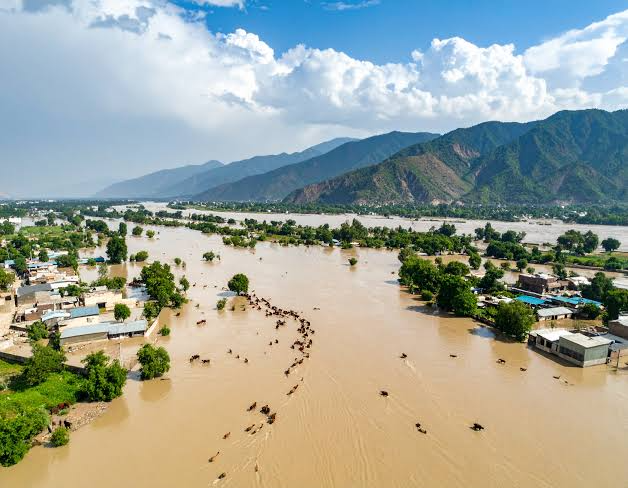
When floodwater moves through a community, the damage is not limited to roads and buildings. Water can carry sewage, chemicals, waste and microorganisms into places where people live, work and seek food. Drinking water systems can become contaminated, sanitation networks can fail and standing water can remain for days after the main flood has receded.
The World Health Organization identifies waterborne and vector borne diseases, injuries, chemical exposure, mental health effects and disrupted health services among the major health consequences of flooding. The organization also warns that damaged food and water supplies and inadequate shelter can increase vulnerability after a disaster. WHO flood health guidance outlines the health risks and response measures that authorities use when communities are affected by major flooding.
For families returning home, the danger can therefore continue after the streets begin to dry. Mud, damaged sewage systems and unsafe wells may remain hazardous, while mosquitoes can multiply around pools of stagnant water. Children, older adults, pregnant women, people with disabilities and those managing chronic illnesses can face additional difficulties when normal healthcare services are interrupted.
Nepal Shows How Quickly Flood Risks Can Become Health Risks
Nepal has become a major focus of the current health response after severe flash floods struck parts of central Nepal on August 26. The flooding affected communities along the Bhote Koshi and Trishuli river corridors and damaged homes, roads, bridges, water systems and health infrastructure.
WHO reports that around 10,000 households needed immediate relief in the affected areas. Three health posts were fully damaged, one hospital was partially damaged and access to two hospitals was affected by damaged roads. The combination of displacement, overcrowding, damaged sanitation systems and interrupted medical services has increased concern about communicable diseases and other health problems.
The consequences are deeply personal. A family forced into temporary accommodation may have lost its medicines along with its home. A pregnant woman may suddenly have to travel farther for care. An older person who normally receives treatment for a chronic condition may face closed roads or an inaccessible clinic. These situations show why disaster recovery cannot be measured only by the number of buildings repaired.
Waterborne Disease Becomes a Major Concern
Flooding creates conditions in which contaminated water can spread disease more easily. Diarrhoeal illnesses are among the major concerns after floods, particularly where drinking water and sanitation infrastructure has been damaged.
WHO has reported that Nepal’s flood response includes surveillance for diarrhoeal illness, respiratory symptoms, dengue, malaria, leptospirosis and other potential health threats. More than 5,000 rapid diagnostic test kits have been supplied for affected districts, while cholera treatment supplies and water treatment materials are also being provided according to local needs.
The response has also moved toward prevention. WHO reported on September 16 that an oral cholera vaccination campaign began in Rasuwa and Nuwakot on September 10 because damage to drinking water and sanitation systems had increased the risk of waterborne disease. More than 50,000 people had received the oral cholera vaccine by September 15.
Why the weeks after a flood matter
The period after a flood can be particularly challenging because people may assume that the danger has passed once the water level falls. Public health teams instead watch for unusual increases in illness and investigate reports quickly. In Nepal, surveillance teams are monitoring health facilities, temporary holding centres, mobile medical teams and community networks for signs of emerging disease.
This approach matters because early detection can prevent a small cluster of illness from becoming a wider outbreak. It also gives authorities a clearer picture of where medicines, testing supplies, clean water and medical workers are most urgently needed.
Healthcare Disruption Can Affect Everyday Medical Needs
Flood emergencies often place attention on injuries and infectious disease, but disrupted healthcare can also affect people whose needs existed before the disaster. Patients receiving treatment for chronic illnesses may struggle to reach clinics or obtain medicines. Children can miss routine vaccinations. Pregnant women may face difficulties accessing antenatal and maternity services.
WHO reported on September 14 that flood survivors in Nepal included pregnant women, newborns, older people, injured individuals and people living with chronic illnesses or disabilities. The organization is supporting temporary health facilities, medical supplies, water filters and efforts to maintain essential services while affected communities recover.
Routine vaccination is another important part of the response. On September 16, WHO said Nepal had resumed routine immunization services in affected areas while also strengthening preventive vaccination and disease surveillance. This reflects a broader lesson from disasters: keeping ordinary healthcare running can be as important as treating emergency injuries.
North America Faces Its Own Flood Related Health Threats
The health risks associated with severe rainfall are not limited to South Asia. In the United States, the Centers for Disease Control and Prevention says extreme precipitation contributes to flood risk and that floods can produce serious health consequences both during and after the event.
CDC guidance published in August 2026 warns that floodwater and standing water can expose people to infectious diseases, chemical hazards and physical injuries. The agency advises people not to drive through flooded areas because vehicles can be swept away even when water does not appear especially deep.
CDC public health guidance also reports that elevated waterborne disease outbreaks have been observed in the weeks following heavy rainfall. Flooding can contaminate outdoor areas with bacteria and viruses, particularly when water comes into contact with sewage systems, septic systems or other sources of microbial contamination.
This does not mean every flood will produce an outbreak. Risk varies according to local infrastructure, sanitation, water treatment, weather conditions and public health response. The key concern is that extreme rainfall can create conditions in which contamination and exposure become more likely.
What Families Can Do After Flooding
Public health agencies repeatedly stress basic protective measures because ordinary precautions can reduce exposure during a confusing and difficult period. People returning to flooded areas should follow local instructions about drinking water, road access and building safety rather than relying only on what appears safe.
- Use safe drinking water and follow local boil water or water treatment instructions.
- Avoid direct contact with floodwater whenever possible.
- Keep children away from standing water, damaged buildings and contaminated outdoor areas.
- Wash hands carefully after contact with flood affected areas.
- Seek medical attention for serious wounds, persistent diarrhoea, fever or other concerning symptoms.
- Continue essential medicines and contact healthcare providers when normal services are disrupted.
People should also avoid assuming that clear looking water is safe. Floodwater can contain microorganisms and chemicals that cannot be detected simply by looking at it.
Hospitals Need Protection Before the Next Emergency
Flood resilience is not only about protecting homes. Hospitals, clinics, pharmacies, laboratories, vaccination centres and water treatment systems are part of the infrastructure that communities depend on during recovery.
When a health facility is damaged, the consequences can spread far beyond its walls. Roads may become unusable, ambulances may struggle to reach patients and healthcare workers may be unable to travel to work. A single damaged facility can therefore increase pressure on neighbouring hospitals that are already dealing with higher demand.
WHO’s current work in Nepal includes assessments of facility functionality, temporary health facilities, emergency medical supplies, disease surveillance and efforts to maintain essential services. These measures show how disaster response increasingly combines immediate treatment with preparation for health threats that may appear days or weeks later.
The Human Cost Continues After the Water Recedes
Flood recovery is often described through damaged infrastructure and financial losses, but the emotional impact can be harder to measure. Families may return to houses filled with mud and debris. Parents may worry about children becoming sick. Older people may fear losing access to medicines. Health workers may continue treating patients while dealing with damage to their own communities.
WHO has highlighted mental health and psychosocial needs as part of the flood response in Nepal. Displacement, loss of loved ones, damaged livelihoods and uncertainty can create lasting emotional strain alongside physical health risks.
Preparedness Can Reduce the Next Wave of Risk
The warning surrounding severe flooding is ultimately about preparation as much as danger. Strong disease surveillance, safe water supplies, functioning healthcare facilities, emergency medical stocks and clear public communication can reduce the likelihood that flooding will develop into a wider health emergency.
We should also remember that no two flood emergencies are identical. A densely populated urban area, a remote mountain community and a coastal settlement may face very different health threats. Effective response therefore depends on local information, rapid assessment and cooperation between health authorities, emergency services and communities.
A Health Emergency Does Not End When the Rain Stops
The events unfolding across flood affected communities offer a clear reminder that severe weather can create health consequences long after the immediate threat has passed. Contaminated water, damaged sanitation, disrupted medical services and displacement can combine to create conditions in which preventable illnesses become harder to control.
For people living through floods, the priority is immediate safety followed by access to clean water, medical care and reliable public health information. For governments and health agencies, the challenge is broader: protect essential services, identify disease signals early and ensure vulnerable people are not left behind during recovery.
The response in Nepal shows both the scale of the challenge and the value of early action. Vaccination campaigns, disease surveillance, diagnostic supplies, temporary healthcare facilities and water treatment support cannot erase the damage caused by a flood. They can, however, help communities move from survival toward recovery while reducing the risk of a second health crisis.