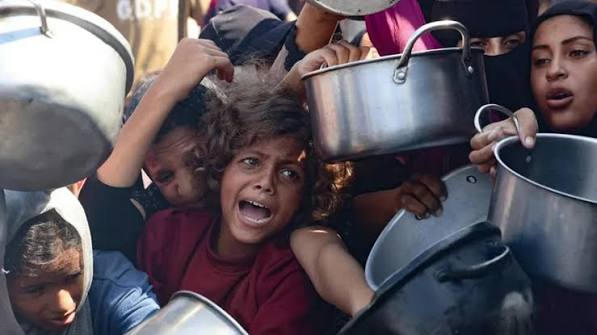
As the world prepares to mark World Food Day on October 16, 2026, the global hunger crisis remains a stark reminder that access to sufficient, nutritious food is far from guaranteed. Global agencies have reported that acute hunger continues to affect more than 266 million people, with the heaviest burdens concentrated in regions facing armed conflict, economic disruption, displacement and other systemic shocks. Behind that figure are families forced to reduce meals, parents struggling to feed their children and communities whose ability to grow, purchase or distribute food has been severely weakened.
The scale of the crisis exposes a troubling contradiction. The world has the agricultural knowledge, supply networks and humanitarian expertise needed to address many forms of food insecurity, yet millions of people still cannot reliably obtain the food they need. Conflict can destroy farms and markets, inflation can place basic staples beyond household budgets, and extreme weather can devastate harvests just as families prepare for another season. When these pressures overlap, hunger can escalate from a temporary hardship into a threat to survival.
World Food Day offers an opportunity to examine not only how many people are going hungry, but also why emergency food needs persist and what governments, humanitarian organizations and communities can do to respond. The reported figure of more than 266 million people requires careful interpretation because acute food insecurity estimates depend on the reporting period, geographic coverage and assessment methodology. Nevertheless, the underlying warning is clear: conflict and systemic shocks continue to undermine food security on a devastating scale.
Why World Food Day Matters in 2026
Observed every year on October 16, World Food Day draws attention to hunger, nutrition, sustainable agriculture and the need for food systems that serve everyone. The occasion provides an international platform for governments, development organizations, farmers, businesses and communities to consider how food is produced, distributed and made affordable.
Food security is not simply a question of whether enough food exists globally. People need reliable physical and economic access to safe, nutritious food that meets their dietary needs. A country may have food available in its markets while households in remote areas cannot reach those markets or afford the prices. A region may produce a strong harvest while conflict prevents farmers from transporting crops to buyers. These gaps help explain why food insecurity can persist even when food is available elsewhere.
World Food Day also encourages a longer view of the problem. Emergency food assistance can save lives during a crisis, but lasting progress requires functioning markets, resilient agriculture, adequate household incomes and public institutions capable of responding to shocks. Without those foundations, communities can remain dependent on humanitarian assistance long after the initial emergency has passed.
What Acute Hunger Means for Families
Acute food insecurity describes a situation in which people face serious difficulties obtaining enough food, with consequences that can threaten their health and livelihoods. The term is commonly used in international assessments to distinguish immediate or severe food access problems from broader, longer term measures of food insecurity.
For a household experiencing acute hunger, the crisis often begins with difficult decisions. Parents may skip meals so children can eat. Families may replace varied diets with cheaper foods that provide fewer essential nutrients. Farmers may sell livestock, tools or seed stocks to buy food today, leaving them less prepared to earn an income tomorrow. Each decision may offer short term relief while increasing the risk of deeper hardship later.
Children are particularly vulnerable. Inadequate nutrition can weaken immune systems, increase susceptibility to illness and interfere with healthy physical development. Pregnant women, older people and individuals living with disabilities may also face additional risks when food supplies, healthcare and social support become difficult to access.
Hunger also affects emotional wellbeing. Uncertainty about the next meal can place enormous strain on parents and caregivers, while displacement can separate families from familiar support networks. The effects are not limited to the moment food runs out. Malnutrition and lost livelihoods can shape a child’s health, education and future opportunities long after an emergency receives less public attention.
Armed Conflict Remains a Major Driver of Hunger
Conflict can damage every stage of the food supply chain. Fighting may force farmers to abandon their fields, destroy irrigation systems and storage facilities, interrupt electricity supplies or make roads too dangerous for transport. Markets may close, traders may leave and humanitarian workers may struggle to reach communities that urgently need assistance.
Displacement compounds the damage. Families who flee violence often leave behind land, livestock, employment and household possessions. In unfamiliar locations, they may have little money and limited access to affordable food. Host communities can also come under pressure when populations increase faster than local services and food supplies can respond.
Conflict can therefore produce a chain reaction. Agricultural production declines, transport becomes more expensive, local markets lose supplies and food prices rise. Households that were already living close to the edge can quickly lose the ability to meet basic needs.
Humanitarian relief can reduce the immediate danger, but food assistance alone cannot resolve the underlying causes. Safe access for aid workers, protection of civilians, functioning supply routes and respect for international humanitarian law are all essential. Where violence prevents people from farming, working or receiving assistance, sustainable food security becomes much harder to achieve.
Economic Shocks Make Food Unaffordable
Food insecurity can worsen even when crops are growing and shops remain open. Inflation, currency depreciation, unemployment and sudden losses of income can make basic groceries unaffordable for households that previously managed to feed themselves. When food prices rise faster than wages or social benefits, families have less money available for rent, medicine, transport and education.
Low income households are especially exposed because food accounts for a substantial share of their spending. A modest increase in the price of flour, rice, cooking oil or other staples can force difficult adjustments. Families may purchase smaller quantities, reduce protein intake or rely on less diverse diets. These changes can weaken nutrition even before a household reaches the most severe stages of food insecurity.
Economic shocks can also affect farmers. Higher fuel prices, expensive fertilizer, costly seeds and limited access to credit can make planting less profitable or impossible. If farmers reduce production in response, local supplies may tighten and future prices may rise further.
Governments can reduce these risks through targeted income support, well designed social protection programs and measures that help keep essential food markets functioning. Such policies cannot eliminate every external shock, but they can prevent some vulnerable households from losing access to basic nutrition when their purchasing power declines.
Climate Extremes Add Pressure to Fragile Food Systems
Droughts, floods, heat waves and other extreme weather events can undermine food production and deepen existing humanitarian emergencies. When rainfall fails, crops may wither, pastureland can deteriorate and water supplies can shrink. Excessive rain can destroy fields, damage storage facilities and wash away roads needed to transport harvests. In coastal areas, storms may disrupt fishing communities and damage equipment that families depend on for income.
The consequences are particularly severe for small scale farmers whose livelihoods depend on seasonal conditions. Many have limited savings, insurance or access to affordable credit. After a failed harvest, they may struggle to purchase seeds for the next planting season or repay loans. Repeated climate shocks can gradually weaken household resilience until a single additional setback triggers a serious food crisis.
Climate risks also interact with conflict and economic instability. A drought in a peaceful region with reliable infrastructure may be manageable through irrigation, trade and public assistance. The same drought in a conflict affected area with damaged roads and displaced communities can have far more destructive consequences.
Building resilience requires practical investments, including improved water management, climate appropriate seeds, better storage facilities, early warning systems and access to agricultural advice. These measures cannot prevent every disaster, but they can help communities protect harvests, reduce losses and recover more quickly when conditions deteriorate.
Humanitarian Agencies Face the Challenge of Reaching Those Most in Need
Emergency food assistance remains essential when households can no longer meet their basic needs. Humanitarian organizations may provide food parcels, prepared meals, cash assistance or vouchers that allow families to purchase supplies from local markets. The most appropriate response depends on security conditions, market availability, nutritional requirements and the needs of affected communities.
Where markets are functioning and food remains available, cash assistance can give households flexibility and support local traders. Where supplies have collapsed or transport routes are inaccessible, direct food distribution may be more appropriate. Children and people facing severe malnutrition may require specialized nutritional support alongside medical care.
Delivering assistance is not always straightforward. Insecurity can endanger aid workers, damaged infrastructure can delay deliveries and restrictions on humanitarian access can leave communities isolated. Funding shortages may also force organizations to prioritize the most urgent needs when the number of people requiring support exceeds available resources.
These difficulties make early action particularly valuable. Reliable monitoring can help agencies identify deteriorating conditions before they reach their most severe stage. Timely funding, prepositioned supplies and coordination among humanitarian partners can reduce delays and help assistance reach people before their livelihoods are permanently damaged.
Why Emergency Relief Must Be Matched With Long Term Solutions
Food distributions can prevent immediate suffering, but repeated emergencies require a broader response. Communities need opportunities to earn income, produce food, access markets and recover from shocks without losing the assets on which their future depends.
Support for local farmers can play an important role. Access to seeds, tools, irrigation, veterinary services and agricultural training may help households restore production after a crisis. Investments in roads, storage facilities and reliable market information can reduce food losses and make it easier for producers to sell their crops.
Social protection is equally important. Well targeted cash transfers, school meal programs and nutrition services can help vulnerable households maintain access to food when prices rise or employment disappears. School feeding programs can support children’s nutrition while helping families manage household expenses, although their effectiveness depends on reliable funding and suitable food supplies.
Governments and development partners should also consider how assistance can strengthen local capacity rather than create unnecessary dependence on external deliveries. Buying food from local producers where feasible, supporting small businesses and involving affected communities in program design can help keep economic activity moving during recovery.
Global Food Security Requires Reliable Data and Coordinated Action
Numbers are essential to understanding the scale of hunger, but they must be interpreted carefully. Acute food insecurity assessments commonly use the Integrated Food Security Phase Classification, known as the IPC, and the Cadre Harmonisé in relevant regions. These frameworks help analysts classify the severity of food insecurity using evidence about food access, livelihoods, nutrition and related indicators.
The reported figure of more than 266 million people should be checked against the original agency publication to establish the period covered, the countries included and the precise definition used. Figures from different reporting periods may not be directly comparable, and the number of people experiencing acute food insecurity can change as conflicts develop, harvests improve or economic conditions deteriorate.
Readers can follow global hunger assessments and emergency updates through the World Food Programme, which provides information about food assistance, humanitarian operations and hunger trends. The Food and Agriculture Organization of the United Nations offers further resources on agricultural production, food systems and global food security.
Accurate information helps governments and aid organizations direct resources toward the communities facing the greatest risks. It also allows donors and the public to evaluate whether humanitarian responses are reaching their intended beneficiaries and whether interventions are producing meaningful improvements.
What Governments and Communities Can Do
Responding to a global hunger emergency requires action at several levels. National governments have a responsibility to support food access, protect essential infrastructure and maintain systems that can respond to sudden hardship. International organizations can provide emergency expertise, coordinate relief operations and help mobilize resources across borders.
Businesses can contribute by strengthening responsible supply chains, reducing avoidable food waste and supporting initiatives that improve agricultural resilience. Farmers and community organizations can help identify local priorities, share practical knowledge and ensure that assistance reflects the needs of the people it is intended to serve.
For individuals who want to contribute, practical options include supporting established humanitarian organizations, participating in reputable local food assistance programs and reducing unnecessary household food waste. Donations are generally most useful when directed through organizations that can assess needs and deliver assistance effectively. Before contributing, people should review an organization’s work, financial reporting and stated approach to humanitarian aid.
These efforts are not substitutes for resolving conflicts or addressing structural poverty. They are complementary steps that can reduce immediate suffering while broader political and economic solutions are pursued.
World Food Day 2026: Turning Awareness Into Action
World Food Day arrives with a sobering message: acute hunger remains a large scale humanitarian challenge, and the people most affected are often those with the fewest resources to protect themselves. Conflict, economic instability and climate related shocks can reinforce one another, leaving families unable to recover before the next crisis begins.
The reported impact on more than 266 million people underscores the need for urgent, coordinated action, while careful use of evidence remains essential to understanding the precise scale and distribution of the emergency. Governments must support peaceful solutions, protect humanitarian access and invest in resilient food systems. Aid organizations need sufficient resources to respond quickly, while development programs must help communities restore livelihoods and withstand future shocks.
Above all, the global hunger crisis should not be reduced to a statistic that attracts attention for a single day. Each estimate represents people whose lives are affected by decisions about security, public policy, economic opportunity and access to essential resources. A child who receives adequate nutrition, a farmer who can plant again after a failed harvest and a displaced family that regains reliable access to food each represent meaningful progress.
World Food Day provides a moment to recognize the scale of the challenge, but its value ultimately depends on what follows. Sustained investment, evidence based assistance and action against the causes of food insecurity can help prevent emergencies from becoming permanent conditions. Ensuring that people can obtain sufficient, safe and nutritious food is both a humanitarian necessity and a foundation for healthier, more stable communities.